
Properly managing costs is a crucial aspect of any successful project. From small start-ups to large corporations, businesses rely on effective cost management strategies to achieve their goals and stay within budget. In particular, the discipline of Plan Cost Management is essential in planning, estimating, budgeting, and monitoring project costs to ensure financial efficiency and accountability. This article will delve into all aspects of this critical project management process and demonstrate why it is necessary for the smooth and successful execution of any project.
Table of Contents
Why is Plan Cost Management Necessary?
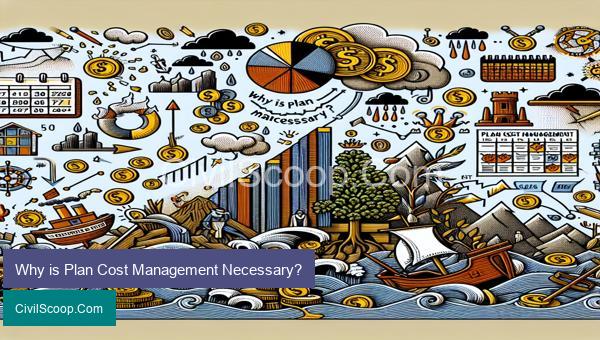
Plan Cost Management is a crucial process in any construction project as it helps in identifying, estimating, and monitoring the costs involved in completing the project. It involves creating a budget that outlines all the expenses required for labor, materials, equipment, and other resources. Therefore, it is necessary to have a well-defined Plan Cost Management in place to ensure the project is completed within the allocated budget and timeline.
Here are some of the reasons why Plan Cost Management is necessary:
1. Budget Estimation and Control: One of the primary objectives of Plan Cost Management is to estimate the cost of the project accurately. This involves analyzing the project scope, identifying the deliverables, and breaking them down into smaller components. With a detailed breakdown of the project, the cost can be accurately estimated, and any necessary adjustments can be made to stay within the budget. Additionally, the Plan Cost Management process also helps to control and manage any variations or changes in costs throughout the project.
2. Resource Allocation: The success of any construction project also depends on the efficient and effective use of the available resources. Plan Cost Management helps in allocating the budget to different resources such as labor, materials, and equipment according to their priority and availability. This ensures that the project progresses smoothly without any delays or shortages of resources, which can lead to additional expenses.
3. Risk Management: Every construction project is subjected to various uncertainties and risks, which can impact the project’s cost. Plan Cost Management includes identifying potential risks that may affect the cost and developing contingency plans to mitigate them. By proactively managing and anticipating risks, cost escalation can be avoided, and the project’s budget can be maintained.
4. Decision Making: Plan Cost Management provides project managers with a comprehensive understanding of the costs involved in different project activities. This information helps in making informed decisions, such as whether to outsource certain tasks or invest in new equipment. It also allows for a better negotiation of prices with vendors and contractors, leading to better cost savings.
5. Real-time Monitoring: As the project progresses, the actual costs incurred are continuously compared to the estimated costs to monitor any deviations. By regularly monitoring the project’s cost performance, corrective actions can be taken promptly to avoid budget overruns. This also allows project managers to identify areas where cost-saving measures can be implemented without compromising the project’s quality.
6. Stakeholder Management: Construction projects involve multiple stakeholders with different interests and expectations. Plan Cost Management documents the agreed-upon budget and plans and communicates them to all stakeholders. This ensures transparency and builds trust among the stakeholders, which is crucial for the project’s success.
To sum up, Plan Cost Management is essential for the smooth execution of any construction project. It provides a clear and comprehensive cost plan that guides the project’s financial management and decision-making process. By accurately estimating, managing, and controlling costs, Plan Cost Management ensures that the project is completed within the allocated budget and timeline, thereby achieving the project’s objectives and satisfying stakeholders.
How is Plan cost management done?
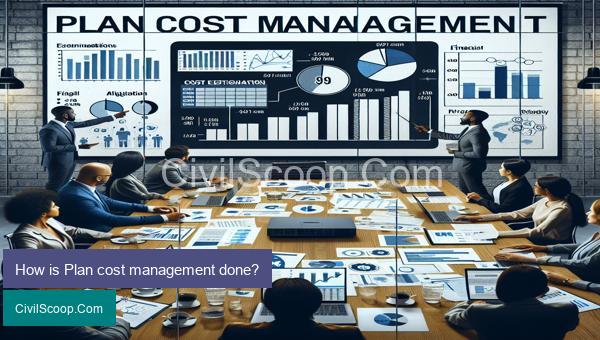
Plan Cost Management is a vital process in civil engineering that involves developing an estimation of the costs associated with a project from start to finish. It is an essential part of project management, aiming to ensure that the project is completed within the allocated budget. The following are the steps involved in the process of Plan Cost Management:
1. Identify Project Scope: The first step in cost management is to identify the scope of the project and all the tasks that need to be completed. This includes defining the project objectives, deliverables, and requirements.
2. Define Cost Estimates: Once the scope has been identified, the next step is to develop cost estimates. This involves estimating the cost of labor, materials, equipment, and other resources required for the project. Historical data, expert judgment, and past experience are some of the methods used to develop these estimates.
3. Determine the Budget: After cost estimates have been developed, the project budget is determined. This is the total amount of money allocated for the project, and it includes all the costs associated with the project, such as direct costs, indirect costs, and contingencies.
4. Develop a Cost Management Plan: A cost management plan outlines the strategies, procedures, and tools that will be used to manage and control project costs. It includes a budget breakdown, cost estimating methods, and procedures for change management.
5. Monitor and Control Costs: This step involves monitoring project costs regularly and comparing them to the budget. If there are any discrepancies, corrective actions need to be taken to ensure the project remains within the allocated budget. It also involves updating the cost management plan as needed.
6. Perform Cost Analysis: Cost analysis involves reviewing the project costs to identify areas where savings can be made. It includes examining the cost of materials, labor, and equipment to determine if any cost-saving measures can be implemented without compromising quality.
7. Document Cost Changes: Any changes to the budget or cost estimates need to be documented, along with the reasons for the changes. This will help in future cost management activities and provide a clear record of the project’s cost history.
Proper cost management is essential for the success of any civil engineering project. It ensures that the project is completed within the allocated budget, and any cost overruns can be identified and addressed in a timely manner. In addition to this, effective cost management helps in improving project efficiency and reducing the risk of financial losses. Therefore, it is crucial to follow a robust cost management process to achieve project success.
Why do we need Plan Cost Management?
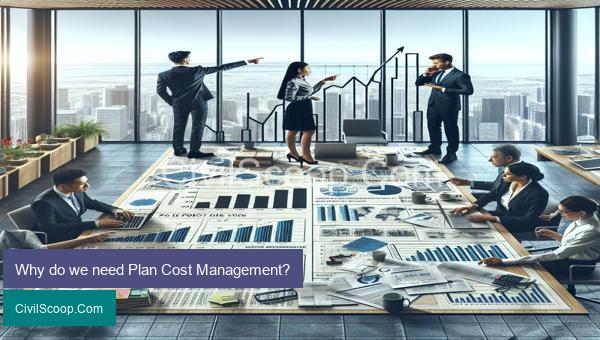
Plan Cost Management is an essential process for any civil engineering project. It involves the development of a comprehensive plan that outlines the procedures, policies, and guidelines to manage and control the project’s costs effectively. A well-developed cost management plan helps identify potential cost risks and ensures that projects are completed within the established budget.
Here are some of the primary reasons why we need Plan Cost Management in civil engineering projects:
1. Budget Optimization: Cost management plans help optimize project budgets by identifying and eliminating unnecessary expenses. Through careful planning and monitoring, potential cost overruns can be prevented, allowing for better allocation of resources.
2. Early Identification of Cost Risks: By developing a cost management plan at the early stages of a project, potential cost risks can be identified and addressed promptly. It enables project managers to have a better understanding of the cost implications of design changes, delays, or unexpected events.
3. Cost Control: With a well-developed cost management plan, project teams can track and control costs throughout the project’s life cycle. It allows for greater transparency and accountability, minimizing the chances of financial losses due to uncontrolled spending.
4. Effective Resource Management: Cost management plans help in identifying the resource requirements for the project, including labor, materials, and equipment. This information can be used to ensure efficient resource allocation and utilization, reducing wastage and optimizing project costs.
5. Accurate Cost Estimates: One of the essential aspects of a cost management plan is the development of accurate cost estimates. By using historical data, expert judgment, and cost estimation techniques, project managers can have a more realistic understanding of the project’s costs.
6. Stakeholder Communication: The development of a cost management plan involves inputs from various stakeholders involved in the project. It provides a platform for consistent and clear communication between project teams, clients, and other stakeholders regarding cost-related decisions and potential changes.
7. Compliance: In most construction projects, timely and accurate cost reporting is a legal requirement. A well-developed cost management plan ensures that all financial transactions are tracked, recorded, and reported in compliance with regulatory and contractual obligations.
In conclusion, Plan Cost Management is a critical process for ensuring the success of civil engineering projects. It helps in budget optimization, early identification of cost risks, cost control, effective resource management, accurate cost estimates, stakeholder communication, and compliance. Therefore, it is essential for civil engineers to develop a detailed cost management plan to achieve project objectives within the established budget.
Conclusion
In conclusion, understanding and effectively managing plan costs is crucial for the success of any project. It requires careful planning, monitoring, and controlling throughout the project lifecycle. By implementing proper cost management techniques, organizations can ensure that their projects are completed within budget and on time, ultimately leading to increased profitability and success. It is also important to continuously review and adjust the cost management plan as needed to adapt to any changes or unforeseen circumstances. By prioritizing cost management in project planning, organizations can have a better chance of achieving their goals and delivering value to stakeholders.