
Condensation is a common problem that impacts buildings of all types and sizes. From small homes to large commercial structures, excess moisture can cause significant damage and affect the overall comfort and health of occupants. In this article, we will explore the causes, effects, and solutions for treating and preventing condensation in buildings. Whether you are a homeowner, building manager, or contractor, understanding the basics of condensation can help you effectively address this issue and maintain a safe and dry environment for all. So, let’s dive in and learn all about treat and prevent condensation in buildings.
Table of Contents
How to Treat & Prevent Condensation in Buildings?

Condensation is a common phenomenon that occurs when warm, moist air comes into contact with a colder surface, leading to the formation of water droplets. In buildings, this can become a major issue as it can damage materials, cause mold growth, and compromise the structural integrity of the building. Therefore, it is important to treat and prevent condensation in buildings to maintain a healthy and safe indoor environment. Here are some ways to tackle this problem:
1. Increase ventilation: Proper ventilation is crucial in preventing condensation in buildings. Good ventilation systems help to maintain a balance between indoor and outdoor air, reducing the amount of moisture in the air. This can be achieved through the use of exhaust fans, air vents, and opening windows to allow for adequate air circulation.
2. Use dehumidifiers: In cases where natural ventilation is not sufficient, dehumidifiers can be used to remove excess moisture from the air. They work by sucking in the humid air and converting it into water, which is then collected in a tank or drained. Dehumidifiers can be particularly useful in areas where high humidity levels are common.
3. Insulate properly: Proper insulation of a building can prevent condensation by reducing the difference in temperature between the warm indoor air and the cold outdoor surfaces. This minimizes the chances of water droplets forming on surfaces such as walls, floors, and ceilings. Insulation materials such as foam and fiberglass can be used to achieve this.
4. Seal air leaks: Air leaks in a building can allow warm, moist air to escape and come into contact with cold surfaces, leading to condensation. Sealing these leaks can prevent this from happening. Common areas where air leaks occur include doors, windows, and attics.
5. Install vapor barriers: Vapor barriers are materials that prevent moisture from moving through walls and ceilings. They are typically installed on the warm side of the insulation to prevent water vapor from reaching the cold surfaces. Vapor barriers can be made of materials like plastic sheeting or aluminum foil.
6. Monitor humidity levels: It is important to keep track of the humidity levels in a building to prevent condensation. An ideal range is between 30-50%. Humidity levels can be measured using a hygrometer, and if they are too high, steps should be taken to reduce them.
7. Use breathable materials: The use of breathable materials in construction can help to prevent condensation. These materials allow moisture to pass through them, reducing the chances of water droplets forming on surfaces. Examples of breathable materials include clay bricks, natural fibers, and wood.
In conclusion, treating and preventing condensation in buildings requires a combination of strategies such as proper ventilation, insulation, and sealing air leaks. It is important to address this issue promptly to avoid any damage to the building and to maintain a healthy indoor environment. Consulting a professional for advice and assistance can also be helpful in tackling condensation problems in buildings.
How to Prevent Condensation in Buildings?
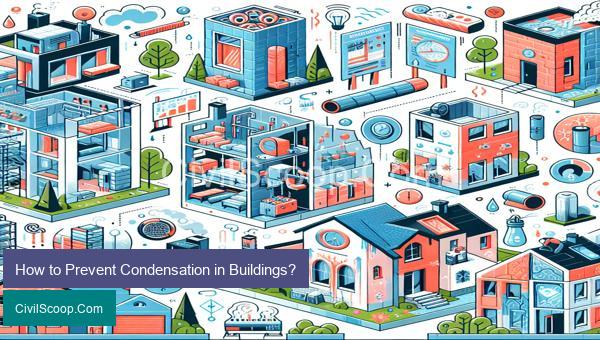
Condensation is a common problem in buildings, especially in colder climates. It occurs when warm, moist air comes into contact with colder surfaces, causing the water vapor to condense into liquid form. This can lead to mold growth, damage to building materials, and an uncomfortable indoor environment. As a civil engineer, it is important to understand the causes of condensation and how to prevent it in buildings. In this article, we will discuss some effective ways to prevent condensation in buildings.
1. Proper ventilation
One of the key ways to prevent condensation in buildings is to ensure proper ventilation. Poor ventilation can lead to high humidity levels inside the building, which increases the likelihood of condensation. The moisture released from daily activities such as cooking, bathing, and breathing needs to be properly vented out of the building. This can be achieved through natural ventilation by opening windows or doors or by installing exhaust fans in areas such as the kitchen and bathroom.
2. Insulation
Insulation plays a crucial role in preventing condensation in buildings. It helps to keep the interior of the building warmer, reducing the potential for condensation to occur. Insulation should be used in walls, floors, and ceilings to prevent warm, moist air from coming into contact with colder surfaces. Proper insulation also helps to maintain a consistent temperature within the building, reducing the formation of condensation.
3. Vapor barriers
Vapor barriers are materials that are used to prevent the passage of water vapor into walls and ceilings. They are typically installed on the warm side of the building, between the insulation and the interior finish. Vapor barriers are especially important in colder climates, where the temperature difference between the interior and exterior is greater. They help to keep the warm, moist air inside the living space and prevent it from reaching the colder surfaces where condensation can occur.
4. Use of dehumidifiers
Dehumidifiers are appliances that remove excess moisture from the air. They are particularly useful in areas with high humidity levels, which can contribute to condensation in buildings. Dehumidifiers can be installed in specific rooms or in the central HVAC system to reduce the overall humidity level in the building.
5. Regular maintenance and repairs
Regular maintenance and repairs are essential for preventing condensation in buildings. Roof leaks, plumbing leaks, and damaged seals around doors and windows can all contribute to moisture build-up and condensation. It is important to regularly inspect and repair any potential sources of moisture to prevent condensation and its associated problems.
6. Proper drainage
Proper drainage around the building is crucial for preventing condensation. Water runoff from rain or melting snow should be directed away from the foundation of the building to prevent moisture from seeping into the walls and causing condensation. Installing gutters, downspouts, and drainage pipes can help to redirect water away from the building.
In conclusion, condensation can be a major problem in buildings if not addressed properly. Proper ventilation, insulation, vapor barriers, use of dehumidifiers, regular maintenance and repairs, and proper drainage are all important factors in preventing condensation. As a civil engineer, it is important to consider these factors during the design and construction of buildings to prevent condensation and create a comfortable and healthy indoor environment for occupants.
How to Treat Condensation in Building Walls?

Condensation is a common problem that occurs in building walls, especially in areas with high humidity and temperature differences between the interior and exterior of the building. It is the process of water vapor turning into liquid when it comes in contact with a cold surface, which can lead to mold growth, damage to the building materials, and affect the indoor air quality. Therefore, it is essential to take necessary measures to treat condensation in building walls. In this article, we will discuss some effective methods to prevent and treat condensation in building walls.
1. Improve Insulation:
One of the main reasons for condensation is the difference in temperature between the interior and exterior of the building. Insufficient insulation can lead to heat loss, causing the interior walls to become colder, thus creating condensation on the surface. By improving insulation in the walls, it can help maintain a constant temperature and reduce the chances of condensation.
2. Provide Proper Ventilation:
Proper ventilation is crucial in preventing condensation. Moisture from cooking, showering, and other daily activities can become trapped in the building, leading to higher humidity levels. Installing exhaust fans in the kitchen and bathroom can help remove excess moisture, preventing condensation from forming on the walls. Additionally, opening windows and doors to allow air circulation can also help reduce humidity levels.
3. Seal Air Leaks:
Air leaks in the walls can contribute to the buildup of condensation. The warm and humid air from the interior can escape through cracks and gaps, and when it comes in contact with colder surfaces, it can form condensation. It is essential to seal all air leaks in the building to prevent this from happening. Use weather stripping, caulk, or sealant to seal any gaps or cracks around windows, doors, and vents.
4. Use Dehumidifiers:
Dehumidifiers can help reduce the moisture levels in the air, making it less likely for condensation to occur. They work by drawing in moist air, cooling it, and releasing dry air back into the room. This process helps balance the humidity levels in the building, making it less susceptible to condensation.
5. Install Vapor Barriers:
Vapor barriers are materials that can be installed between the wall and insulation to prevent moisture from entering the wall cavity. It can be in the form of plastic sheets or membranes that act as a barrier to moisture and help reduce the chances of condensation.
6. Use Absorbent Materials:
Using materials that are absorbent can help reduce the chances of condensation on walls. For example, using wallpaper instead of paint can help absorb moisture from the air, reducing the buildup of condensation. Additionally, using absorbent mats or carpets on cold floors can help prevent moisture from evaporating and forming condensation.
In conclusion, treating condensation in building walls requires a combination of different approaches. By improving insulation, providing proper ventilation, sealing air leaks, using dehumidifiers, installing vapor barriers, and using absorbent materials, you can effectively prevent and treat condensation. It is essential to address this issue promptly to avoid any long-term damage to the building and ensure the safety and comfort of the occupants.
How to Prevent Condensation in Windows?
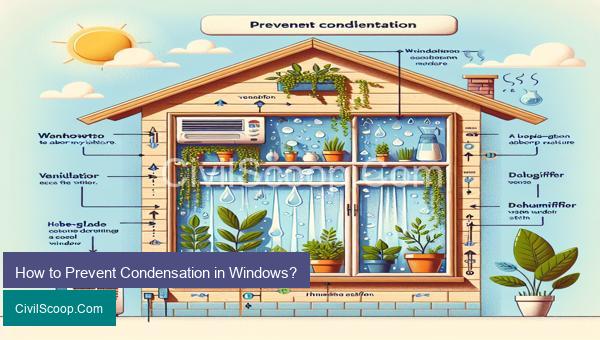
Condensation on windows can be a frustrating issue for many homeowners. Not only does it obscure the view, but it can also lead to damage to window frames and sills. Furthermore, it is a sign of excess moisture in the air, which can create an uncomfortable and unhealthy living environment. As a civil engineer, here are some steps that can be taken to prevent condensation in windows:
1. Improve ventilation: Lack of adequate ventilation is one of the main causes of window condensation. Moisture generated from cooking, showering, and even breathing can get trapped inside the house, leading to high levels of humidity. Installing exhaust fans in kitchens and bathrooms, and opening windows to let fresh air in can help reduce moisture build-up.
2. Use dehumidifiers: Dehumidifiers are highly effective in removing excess moisture from the air. They work by drawing in humid air, cooling it, and collecting the condensed water. Place the dehumidifier in the room where the condensation occurs the most, and run it regularly to maintain the humidity levels between 30-50%.
3. Insulate windows: If the temperature outside is significantly lower than the temperature inside the house, it can cause condensation to form on windows. To prevent this, proper insulation around the windows is crucial. This can be achieved by using weather stripping or caulking around the window frames to prevent cold air from entering and warm air from escaping.
4. Install double-glazed windows: Double-glazed windows have two panes of glass with a layer of inert gas in between, providing better insulation than single-pane windows. This helps to keep the inside of the window warmer, reducing the chances of condensation forming. Additionally, some double-glazed windows also have a low-emissivity coating to further prevent condensation.
5. Check for leaks: Leaky windows can allow moisture from the outside to seep into the house, increasing the humidity levels. Regularly check for any cracks or gaps around the window frames and seal them to prevent moisture from entering.
6. Monitor indoor plants: While indoor plants can add to the aesthetics of a room, they can also contribute to excess moisture in the air. Plants release moisture through their leaves, which can increase the humidity levels in the house. Limit the number of plants in rooms with high humidity levels or consider using a moisture barrier under the plants’ pots.
In conclusion, condensation on windows can be a bothersome issue, but it can be prevented by improving ventilation, using dehumidifiers, insulating windows, installing double glazing, checking for leaks, and monitoring indoor plants. These measures not only help in preventing condensation but also contribute to creating a comfortable and healthy living environment.
How to Fix Condensation in Window?
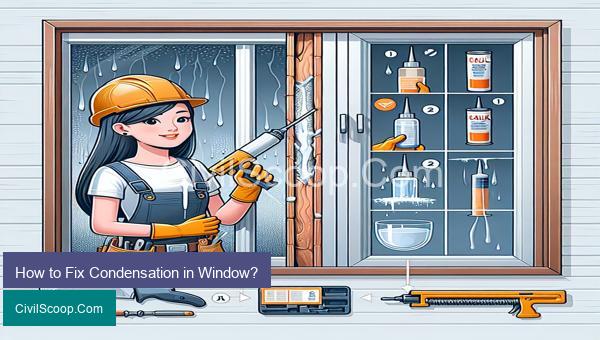
Condensation on windows can be a common issue in many homes and buildings, especially during the colder months. It occurs when warm air comes into contact with a cold surface such as a window, causing water droplets to form on the surface. This can not only be a nuisance, but it can also lead to water damage, mold growth, and a decrease in energy efficiency. If you are facing this problem, here are some tips on how to fix condensation in windows.
1. Identify the Source of Moisture
The first step in fixing condensation in windows is to identify the source of moisture. It could be due to high levels of humidity in the room, leaky windows, or poor ventilation. Keep a hygrometer in the room to check the humidity levels. Ideally, it should be between 40-50%. If it is higher than that, it could be causing the condensation.
2. Increase Ventilation
Improving ventilation in the room can help reduce humidity levels and prevent condensation on windows. Open windows regularly to let in fresh air, especially during showers and cooking. You can also install exhaust fans in high-humidity areas like bathrooms and kitchens.
3. Use a Dehumidifier
If increasing ventilation doesn’t solve the problem, consider using a dehumidifier. It will help remove excess moisture from the air, reducing the chances of condensation on windows. Place it in the most affected rooms for better results.
4. Check for and Fix Leaky Windows
Leaky windows can be a major cause of condensation. Check for any cracks or gaps around the window frames and apply caulk to seal them. If the leak is severe, you may need to call a professional to repair or replace the window.
5. Insulate Your Windows
Improperly insulated windows can lead to a significant amount of condensation, especially in colder climates. Installing double or triple pane windows can help prevent warm air from coming into contact with the cold surface and reduce condensation.
6. Use Window Treatments
Window treatments like curtains and blinds can also help reduce condensation. Keep them open during the day to allow air to circulate and remove moisture from the room. At night, close them to prevent warm air from coming into contact with the cold windows.
7. Install a Storm Window
If your windows are old and single-paned, consider installing a storm window. It acts as an extra layer of insulation and can significantly reduce condensation on windows.
8. Wipe Away Excess Condensation
Although this is not a long-term solution, wiping away excess condensation from your windows can help prevent water damage and mold growth. Use a towel or sponge and dry the affected windows regularly.
In conclusion, condensation on windows can be a frustrating issue, but it can be fixed by identifying the source of moisture and taking appropriate measures. If the problem persists, it’s best to consult a professional to determine the root cause and find a suitable solution. Regular maintenance of windows and proper ventilation can help prevent condensation in the future.
Conclusion
In conclusion, understanding the causes and effects of condensation in buildings is crucial for maintaining a healthy indoor environment and protecting the integrity of the structure. By implementing the proper measures to prevent and treat condensation, such as proper ventilation, insulation, and moisture control, building owners can save themselves from potential damage and high repair costs in the future. Additionally, individuals can also take small steps, like using dehumidifiers and regularly cleaning and maintaining their HVAC systems, to prevent condensation in their own homes. With the knowledge and proactive action, we can effectively combat condensation and create a comfortable and safe living environment for all.