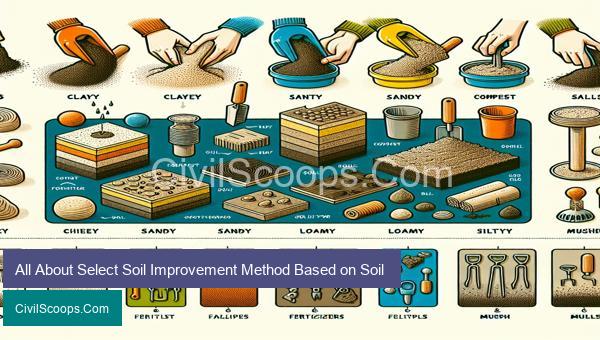
Soil is a vital component of our planet, serving as the foundation for all terrestrial life. However, not all soil is created equal, and some may not be suitable for certain purposes. In order to achieve optimal soil conditions for various uses, different soil improvement methods have been developed. These methods aim to enhance the properties of soil and improve its ability to support plant growth, construction projects, and environmental sustainability. In this article, we will explore various soil improvement methods based on soil type and discuss their benefits and applications. Understanding these methods can help us make informed decisions in managing and utilizing soil resources effectively.
Table of Contents
How to Select Soil Improvement Method Based on Soil Types?
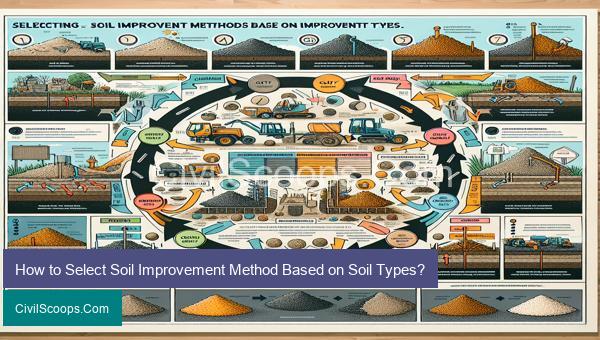
Soil improvement is a crucial step in the construction process, as it helps to enhance the strength and stability of the soil for supporting various structures and foundations. The selection of the appropriate soil improvement method is critical, as it depends on the type of soil and the desired outcome. In this article, we will discuss how to select the suitable soil improvement method based on different soil types.
1. Clayey soil:
Clayey soil is known for its low permeability and poor load-bearing capacity. It is prone to swelling and shrinking, leading to cracks and settlement issues in structures. The following methods can be used for improving clayey soil:
- Chemical stabilization: Lime, cement, and fly ash are commonly used chemicals to stabilize clayey soil. These chemicals react with clay particles, reducing their plasticity and increasing their load-bearing capacity.
- Soil replacement: In this method, the poor-quality clayey soil is removed and replaced with suitable granular materials, such as sand or gravel.
- Soil compaction: Compaction is an effective method for improving clayey soil. It involves the use of heavy machinery to compact the soil, reducing its porosity and increasing its strength.
2. Sandy soil:
Sandy soil is characterized by its high permeability and low strength, making it unsuitable for construction. It is prone to erosion and can lead to settling issues in structures. The following methods can be used for improving sandy soil:
- Soil compaction: As with clayey soil, compaction can also be used to improve sandy soil. It increases the density of the soil by reducing its voids, resulting in enhanced strength.
- Vibro compaction: This method involves the use of vibrating probes that densify the sandy soil by shaking it. It is suitable for improving loose, granular, or saturated sandy soils.
- Grouting: Grouting involves the injection of a cementing material into the sandy soil, filling its voids, and increasing its strength.
3. Silty soil:
Silty soil has a moderate bearing capacity, but it is prone to settlement issues due to its low cohesion. It is essential to improve silty soil before constructing any structure on it. The following methods can be used for soil improvement in silty soils:
- Prefabricated vertical drains: This method involves inserting prefabricated vertical drains deep into the soil to improve its drainage and reduce its settlement potential.
- Vacuum consolidation: In this method, a vacuum is created above the ground, which lowers the water table, allowing the soil to consolidate and increase its strength.
- Soil replacement: As with clayey soils, soil replacement can also be used for improving silty soil.
4. Organic soil:
Organic soil, such as peat, has a low bearing capacity and is highly compressible due to its high water and organic content. It is essential to improve organic soil before constructing any structure on it. The following methods can be used for improving organic soil:
- Preloading: Preloading involves placing a layer of fill material on the organic soil and waiting for it to settle under its self-weight. It reduces the water and air content of the soil, increasing its strength.
- Soil replacement: As organic soil has poor load-bearing capacity, it can be removed and replaced with suitable granular material.
- Chemical stabilization: Chemical stabilization can also be used for improving organic soils, as mentioned earlier.
In conclusion, the selection of the appropriate soil improvement method depends on the type of soil and the
Conclusion
In conclusion, selecting the right soil improvement method is crucial for achieving optimal soil health and promoting plant growth. The method chosen should be based on the specific characteristics and needs of the soil. From physical treatments like compaction and tillage to chemical methods such as pH adjustment and nutrient supplementation, there are various techniques available to improve soil quality. It is important to understand the unique properties of the soil and its potential limitations before deciding on a suitable method. By regularly monitoring and assessing the effectiveness of these methods, farmers and gardeners can maintain healthy and productive soil for years to come.