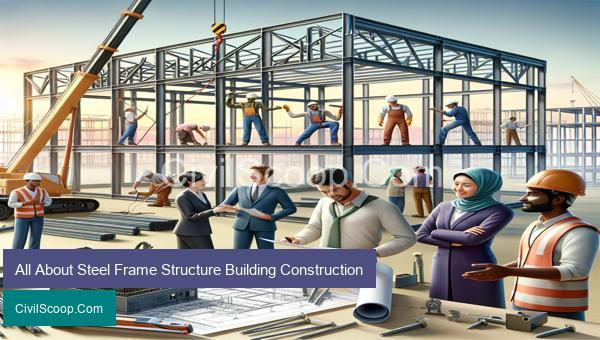
Steel frame structure building construction has become increasingly popular in recent years due to its numerous advantages over traditional building methods. The use of steel as a primary building material offers superior strength, durability, and flexibility, making it an ideal choice for a wide range of construction projects. In this article, we will explore the key features of steel frame structures, their benefits, and the construction process involved. Whether you are a developer, architect, or simply interested in learning more about this innovative building technique, this article will provide a comprehensive overview of all things steel frame construction.
Table of Contents
What is Steel Frame Structure Building Construction?
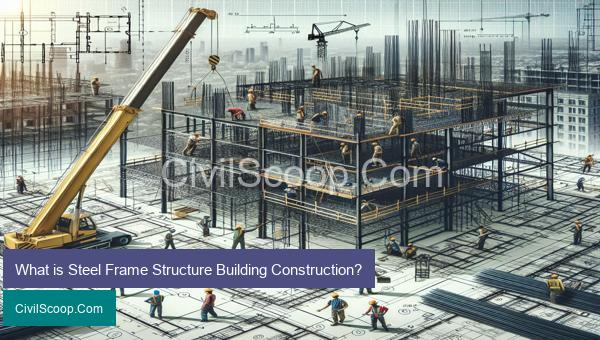
Steel frame structure building construction is a popular method of building, particularly in commercial and industrial settings. It involves using steel as the primary structural element, which provides strength and stability to the building.
Steel frame structures are known for their durability, versatility, and speed of construction. They are commonly used in high-rise buildings, warehouses, factories, and office buildings. The framework of the building consists of vertical columns and horizontal beams, which are connected by rigid connections or welded joints.
The materials used in steel frame construction are steel columns, beams, and girders that are fabricated off-site and then transported to the construction site. Unlike traditional construction methods, where the construction of concrete structures can take months, steel frame construction can be completed in a matter of weeks. This makes it a more efficient and cost-effective option.
The process of steel frame construction starts with the preparation of the site, which involves leveling the ground and creating a strong foundation. The foundation of a steel frame building can be a shallow or deep excavation, depending on the soil condition and the load-bearing capacity required. Steel base plates are then installed, which connect the steel columns to the foundation.
Next, the steel columns are erected and securely welded or bolted to the base plates. The columns are spaced at regular intervals to support the weight of the building and transfer the load to the foundation. Horizontal beams are then installed and connected to the columns, creating a rigid and stable framework for the building.
Once the framework is complete, other components such as floor slabs, walls, and roofing are installed. Steel floor beams and decking are used to create the floors, while steel wall panels can be prefabricated and attached to the framework. For roofing, steel trusses and metal panels are commonly used, providing a lightweight and durable roofing option.
One of the major advantages of steel frame construction is its versatility. Steel can be fabricated into various shapes and sizes, allowing for flexible design options. This makes it an ideal choice for complex and unique designs. Moreover, steel is a highly durable material and can withstand harsh weather conditions, making it a popular choice in areas prone to earthquakes, hurricanes, and strong winds.
In conclusion, steel frame structure building construction is a preferred method for commercial and industrial buildings due to its several advantages. It offers strength, flexibility, speed of construction, and long-term durability. With the continuous advancements in technology, steel frame construction is only expected to become more efficient and cost-effective in the future.
Types of Steel Frame Construction
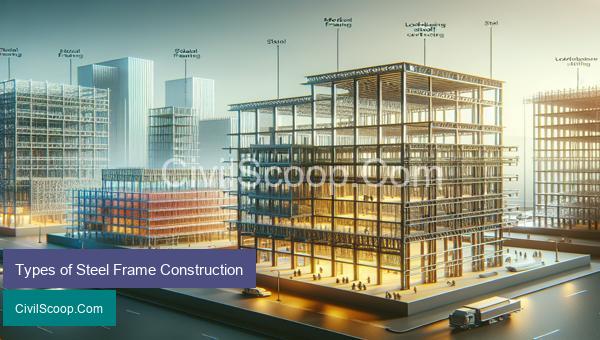
Steel frame construction is a popular choice for buildings all around the world due to its strength, durability, and versatility. This type of construction involves using steel beams and columns to form the primary structural support system of the building. There are several types of steel frame construction methods that are commonly used in the industry. In this article, we will discuss the most common types of steel frame construction and their characteristics.
1. Conventional Steel Frame Construction: This is the most traditional and commonly used type of steel frame construction. It involves using steel beams and columns to form the skeleton of the building, with other structural elements such as floors, roofs, and walls attached to it. The construction process is simpler and more straightforward compared to other methods, making it a popular choice for low-rise, multi-story, and industrial buildings.
2. Light Gauge Steel Frame Construction: In this type of construction, the steel frame is made up of light gauge steel members, which are formed by rolling thin sheets of galvanized steel. These members are then assembled on-site using screws or welding. Light gauge steel construction is commonly used for residential and commercial buildings, as it is a cost-effective and lightweight option.
3. Modular Steel Frame Construction: This method involves assembling pre-fabricated steel modules or sections off-site and then transporting and fitting them together on-site. The modules are built according to the building’s design and specifications, which reduces construction time and labor costs. Modular steel frame construction is commonly used for hospitals, schools, and commercial buildings.
4. Skeleton Steel Frame Construction: In this method, the primary structure of the building is formed by steel columns and beams, with the floors, walls, and roofs attached to it. However, unlike conventional steel frame construction, the secondary structural elements are also made of steel. This type of construction offers greater flexibility in design and is commonly used for high-rise buildings.
5. Special Truss Moment Frame Construction: This construction method is used for buildings located in areas with high seismic activity. In this method, the steel frame is reinforced with diagonal steel bracings and a truss moment frame to provide strength and resistance against lateral forces. This type of construction is commonly used for tall structures, such as skyscrapers.
In conclusion, steel frame construction offers a range of options to accommodate different design requirements and building types. It is a durable, cost-effective, and sustainable option that is widely used in the construction industry. The type of steel frame construction chosen for a building project depends on the building’s purpose, design, and location, as well as budget and time constraints. It is important to consult with a structural engineer to determine the most suitable steel frame construction method for a specific project.
Applications of Steel Frame Structure
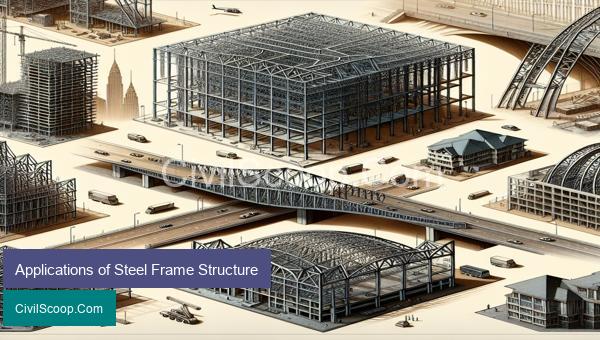
Steel frame structures are a popular choice in the construction industry due to their many benefits. Steel frames are durable, versatile and cost-effective, making them suitable for a wide range of applications. In this article, we will discuss the various applications of steel frame structures in different types of construction projects.
1. Commercial and Industrial Buildings:
Steel frame structures are commonly used in the construction of commercial and industrial buildings such as office buildings, shopping malls, warehouses, and factories. The main advantage of using steel frames in these structures is that they provide large, open spaces without the need for support columns, allowing for maximum flexibility in the use of the interior space. This is especially beneficial in commercial and industrial buildings where large machinery and equipment need to be stored or operated.
2. High-rise Buildings:
High-rise buildings require structures that can withstand high wind loads and seismic forces. This is where steel frame structures come in handy. The high strength-to-weight ratio of steel makes it ideal for constructing tall buildings that can withstand extreme weather conditions. In addition, steel frames allow for faster construction, making it a preferred material for high-rise buildings.
3. Bridges:
Steel frame structures are also extensively used in the construction of bridges. The high strength and stiffness of steel make it ideal for spanning long distances, making it a cost-effective solution for bridge construction. Moreover, steel has high resistance to corrosion, which is crucial for structures exposed to moisture and harsh weather conditions.
4. Residential Buildings:
While wood is the traditional material used in residential construction, steel frames are gaining popularity due to their many benefits. Steel frames offer better resistance to fire, termites, and rot, making them a safer and more durable option for residential buildings. Moreover, steel frames are lightweight and do not require a lot of site preparation, resulting in faster construction and cost savings.
5. Infrastructure:
Steel frame structures are also used in the construction of various infrastructure projects such as airport terminals, railway stations, and sports facilities. The versatility and strength of steel frames allow for the construction of large, open spaces, which are often necessary in these types of structures. In addition, steel frames can be prefabricated off-site, making the construction process faster and more efficient.
6. Seismic Zones:
Areas prone to earthquakes require buildings that can withstand strong seismic forces. Steel frame structures are an ideal choice for seismic zones as they have excellent ductility and can absorb and dissipate energy during an earthquake, reducing damage to the building. This is why steel frame structures are commonly used in earthquake-resistant buildings, providing safety and security to the occupants.
In conclusion, steel frame structures have a wide range of applications in the construction industry. Their strength, durability, and flexibility make them suitable for various types of buildings and infrastructure projects. With advancements in technology and construction techniques, steel frame structures continue to evolve and become even more efficient, making them an increasingly popular choice among architects, engineers, and contractors.
Advantages of Steel Frame Structural Construction
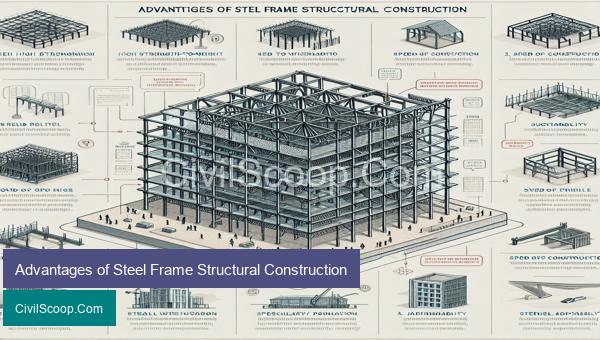
Steel frame structural construction has gained popularity in recent years due to its numerous advantages over traditional construction methods. In this article, we will discuss some of the key benefits of using steel frame structures in construction.
1. High strength and durability: Steel is one of the strongest construction materials available, with a high strength-to-weight ratio. This means that steel structures can withstand heavy loads and have a longer lifespan compared to other materials like wood or concrete. Additionally, steel is highly resistant to fire, corrosion, and pests, making it a more durable option for long-term use.
2. Faster construction time: Steel frames can be prefabricated off-site and then assembled on-site, making the construction process much faster compared to traditional methods. This is because the components are manufactured to precise measurements and can be easily transported and erected. This can greatly reduce project timelines and ultimately save time and money for the project.
3. Flexibility in design: Steel frames can be easily manipulated into different shapes and sizes, allowing for more creative and innovative designs. This flexibility in design makes steel frame structures suitable for a wide range of building types, from simple structures to complex and iconic buildings.
4. Cost-effective: Although the initial cost of steel frame construction may be higher than traditional methods, the overall cost of the project is significantly lower. This is due to the speed of construction, less labor required, and lower maintenance costs over time. Additionally, steel structures have a longer lifespan, reducing the need for frequent repairs or replacements.
5. Sustainability: Steel frame structures are environmentally friendly as they use recycled material and are completely recyclable at the end of their lifespan. This makes them a sustainable option for building projects, reducing their overall carbon footprint.
6. Lighter weight: Steel is a lightweight material, making it easier to transport and handle on-site. This can be advantageous for projects in remote or difficult-to-access areas. The lightweight nature of steel also puts less stress on the building’s foundation, resulting in more cost savings.
7. Increased building stability: Steel frame structures have a high strength-to-weight ratio, which means they can withstand heavy loads and natural disasters such as earthquakes and hurricanes. This makes them a popular choice for areas that are prone to such natural disasters.
In conclusion, using steel frame structures in construction has numerous advantages such as strength, durability, flexibility, and sustainability. Its cost-effectiveness, faster construction time, and lightweight nature make it an ideal choice for a wide range of building projects. As a civil engineer, it is important to consider all factors when designing a building, and steel frame construction should definitely be taken into consideration for its many benefits.
Conclusion
In conclusion, steel frame structure building construction offers numerous advantages that make it a popular choice in the construction industry. Its strength, durability, and cost-effectiveness make it an ideal building material for a variety of structures, from skyscrapers to residential homes. With its versatility and ease of construction, steel frame structures provide endless design possibilities and can withstand the test of time. Additionally, the use of steel in construction promotes sustainability and reduces environmental impact. As technology continues to advance, the construction industry will continue to see innovations in steel frame building techniques, further solidifying its position as a preferred construction method. With its many benefits, it is clear that steel frame structures will continue to be a significant player in the construction industry for years to come.