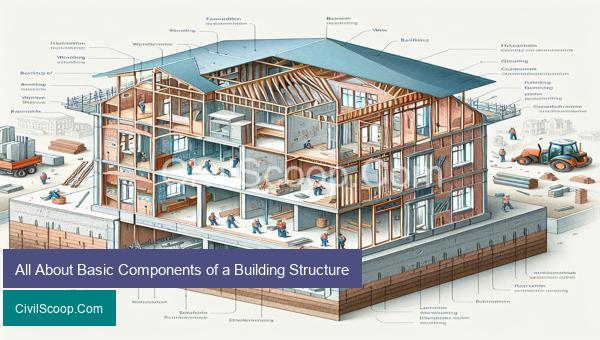
The foundation, walls, roof, and various structural elements form the backbone of any building structure. These basic components work together to ensure the stability, safety, and functionality of a building. Understanding the purpose and characteristics of these elements is crucial for architects, engineers, and construction professionals. In this article, we will delve into the world of building structures and explore the key components that make them strong, secure, and durable. Whether you are planning to build a new structure or simply curious about the construction process, this article will provide you with a comprehensive overview of the essential elements that make up a building’s structure.
Table of Contents
12 Basic Components of a Building Structure
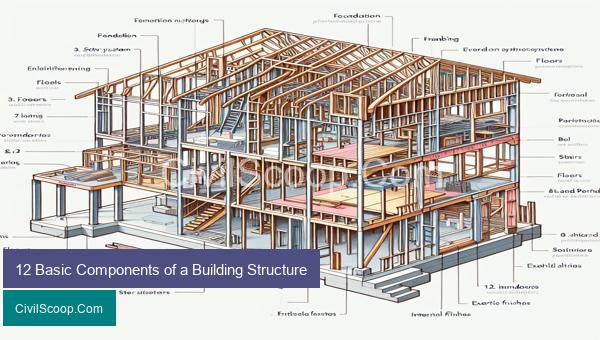
1. Foundation: The foundation is the first and most important component of a building structure. It serves as the base upon which the entire structure is built. It absorbs the weight of the building and transfers it to the ground, providing stability and strength.
2. Columns: Columns are vertical structural elements that support the weight of the building and transfer it to the foundation. They are typically made of reinforced concrete, steel, or wood and are strategically placed throughout the building to distribute the load evenly.
3. Beams: Beams are horizontal structural elements that span between columns and support the load from the walls and floors above. They are also made of reinforced concrete, steel, or wood and work in conjunction with columns to distribute the load.
4. Floor system: The floors of a building provide a platform for people and objects to occupy and move around in. They also serve as structural elements that transfer the weight of the building to the columns and beams.
5. Walls: Walls are essential components of a building structure as they enclose the interior space and provide support for the roof and floors. They can be load-bearing or non-load-bearing, depending on the building design.
6. Roof system: The roof system protects the building from weather elements and transfers the weight of the roof to the walls and columns. It is made up of structural elements such as trusses, purlins, and rafters.
7. Bracing: Bracing is used in a building structure to provide additional support and stability, particularly in areas with high wind or seismic activity. Bracing elements can be in the form of diagonal beams or walls.
8. Stairs and Elevators: Stairs and elevators are essential components of a building structure, providing vertical circulation between floors. They are typically made of reinforced concrete, steel, or wood.
9. Facade: The facade is the exterior wall of a building that defines its appearance and protects it from the elements. It can be made of various materials such as glass, brick, stone, or metal.
10. Doors and Windows: Doors and windows are openings in walls that allow people and natural light into the building. They also play a role in ventilation and temperature control.
11. Roofing materials: The materials used for roofing are critical components of a building structure as they provide protection from weather elements. Common roofing materials include shingles, tiles, metal sheets, and concrete.
12. Finishes: Finishes are the final layer of a building structure and include interior and exterior materials such as paint, flooring, tiles, and cladding. They enhance the aesthetics of the building and provide protection from wear and tear.
Conclusion
In conclusion, understanding the basic components of a building structure is essential for anyone involved in the construction or renovation process. Each component serves a specific purpose and plays a crucial role in the overall stability and safety of the building. From the foundation to the roof, every element must be carefully planned and constructed to withstand various stresses and loads. By knowing and properly implementing these components, one can ensure a strong and durable building that will stand the test of time. As technology and materials continue to advance, it is important to stay updated on the latest techniques and innovations in building construction. With this knowledge, we can continue to build and design safe, efficient, and sustainable structures for generations to come.