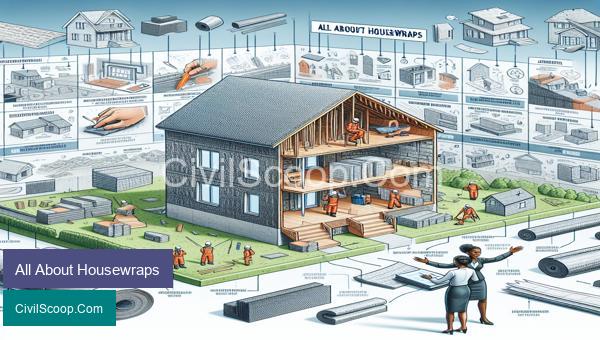
Housewraps are a critical component of modern home construction, providing a vital barrier against moisture and air infiltration. Yet, despite their importance, many homeowners are unfamiliar with housewraps and their role in maintaining a well-built home. In this article, we will explore everything you need to know about housewraps, from what they are and how they work, to the different types available and their benefits. Whether you are building a new home or looking to improve the energy efficiency of your current one, understanding the ins and outs of housewraps can help you make informed decisions about your home’s insulation and protection.
Table of Contents
What is a Housewrap and Why is it Important
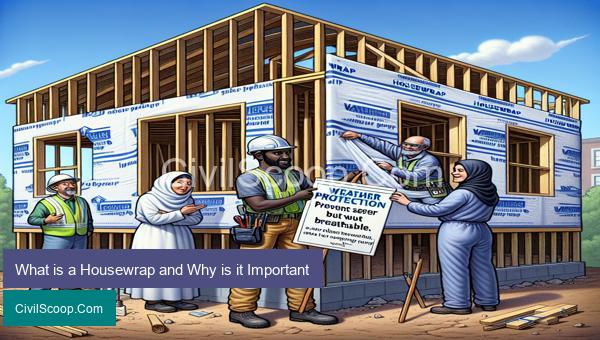
A housewrap, also known as a weather-resistant barrier or WRB, is a material used in the construction of buildings to protect them from water and air infiltration. It is typically installed on the exterior walls of a house, between the wall sheathing and the exterior cladding.
The main function of a housewrap is to act as a barrier against moisture. It prevents water from seeping into the walls and causing damage such as rotting, mold, and mildew. It also helps to prevent air from entering or escaping the building, which can have a significant impact on energy efficiency and heating/cooling costs.
A housewrap is typically made of a non-permeable or semi-permeable material, such as spun-bonded polyethylene or polypropylene, which allows vapor to escape but repels bulk water. It is designed to withstand exposure to sunlight, wind, and other environmental factors without degrading, ensuring long-term protection for the building.
There are a few key reasons why a housewrap is important in construction:
1) Moisture Control: As mentioned earlier, the primary function of a housewrap is to keep moisture out of the walls. This is crucial in preventing water damage and preserving the structural integrity of the building.
2) Energy Efficiency: A properly installed housewrap can help to reduce air leakage, which can account for up to 40% of energy loss in a building. By creating an airtight barrier, a housewrap can improve the overall energy efficiency of a house and lower heating and cooling costs.
3) Durability: A housewrap not only protects the building during construction but also serves as a long-term weather barrier. It can withstand severe weather conditions and provide continued protection against moisture and air infiltration.
4) Health and Comfort: By preventing moisture from entering the walls, a housewrap can help to maintain indoor air quality and prevent the growth of mold and mildew, which can lead to health issues. It also helps to keep the interior of the building more comfortable by keeping out drafts and reducing temperature fluctuations.
In addition to these benefits, a housewrap also increases the lifespan of a building and can help to ensure that it meets building code requirements. It is an essential component of modern construction and should be installed by qualified professionals to ensure proper installation and maximum efficiency.
In conclusion, a housewrap is a crucial part of any construction project as it provides protection against moisture and air infiltration, improves energy efficiency, and promotes a healthy and comfortable indoor environment. With its durability and other benefits, it is a valuable investment in the long-term health and integrity of a building.
Features of Housewraps
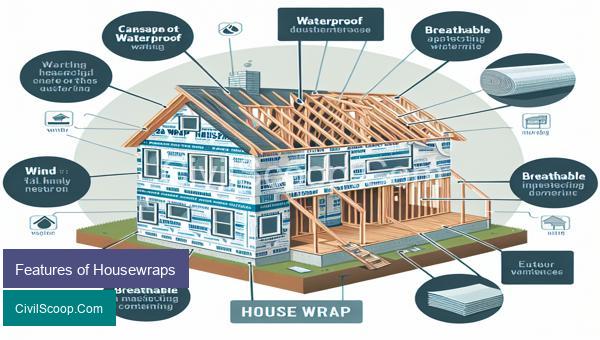
Housewraps are advanced building materials that are designed to protect a house from moisture and air infiltration. They are typically installed on the exterior walls of a building, underneath the siding or cladding, to create a protective barrier. Housewraps have become a popular choice in construction due to their numerous benefits and features. In this article, we will discuss some of the main features of housewraps.
1. Moisture Resistance: One of the primary features of housewraps is their ability to resist moisture. They act as a protective layer, preventing water from entering the walls of the house. This is especially important in areas with high levels of rainfall or snow, as it can protect against potential water damage and mold growth.
2. Breathability: Housewraps are designed to allow for the passage of water vapor, while still keeping water out. This means that they allow moisture from inside the house to escape, preventing the build-up of condensation within the walls. This breathability also helps to improve the indoor air quality of the house.
3. Air Tightness: Another important feature of housewraps is their ability to create an airtight barrier. This prevents air from entering or escaping the building, making the house more energy-efficient. This can lead to reduced energy costs and a more comfortable living environment.
4. Durability: Housewraps are highly durable and can withstand extreme weather conditions. They are also resistant to UV rays, which can cause deterioration over time. This makes them a long-term solution and can help to extend the lifespan of a building.
5. Easy Installation: Housewraps are relatively easy to install, as they are lightweight and come in large rolls. This makes them a popular choice for both residential and commercial construction projects. They can also be easily cut and shaped to fit around windows, doors, and other building features.
6. Increases R-Value: R-value is a measure of thermal resistance, and a higher R-value indicates better insulation. Housewraps can help to increase the R-value of a building, making it more energy-efficient and reducing heating and cooling costs.
7. Environmentally Friendly: Most housewraps are made from recyclable materials, making them an environmentally friendly choice. They can also help to reduce the use of energy in a building, contributing to a more sustainable construction process.
In conclusion, housewraps offer numerous benefits and features that make them a popular choice in construction projects. From moisture and air resistance to durability and energy efficiency, housewraps provide a cost-effective and environmentally friendly solution for protecting a house. They are essential in creating a comfortable and sustainable living environment. As a civil engineer, I highly recommend the use of housewraps in construction projects.
Importance of Housewraps
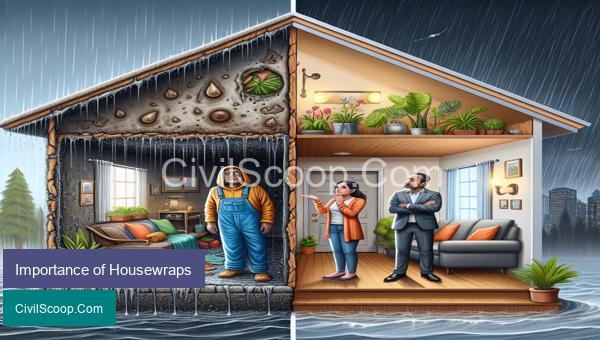
Housewraps are a vital component in the construction of modern buildings and have become a standard practice in the construction industry. They are a type of weather-resistant barrier that is installed onto the exterior walls of a building and act as a protective barrier against moisture, air infiltration, and temperature changes. Housewraps are usually made of a lightweight, breathable material, such as polyethylene or polypropylene, and are an essential part of a building’s envelope system.
1. Moisture Protection: Housewraps play a crucial role in protecting a building from moisture damage. They act as a barrier against rain, snow, and wind-driven moisture, preventing it from seeping into the walls and causing water damage. This is particularly important in areas with a humid climate, where moisture can build up inside the walls and lead to mold and mildew growth.
2. Improved Energy Efficiency: Housewraps are also effective in improving the energy efficiency of a building. They act as a thermal barrier, reducing air leakage and helping to maintain a consistent indoor temperature. This means that the building requires less energy to heat or cool, resulting in lower utility bills. In addition, housewraps help to reduce drafts and cold spots, providing better insulation for the building.
3. Increased Comfort and Indoor Air Quality: Properly installed housewraps can help to improve the overall comfort of a building’s occupants. They prevent outside air from entering the building, reducing drafts, and keeping the interior more comfortable. Additionally, housewraps also act as a vapor barrier, preventing the buildup of moisture inside the walls, which can lead to a musty odor and poor indoor air quality.
4. Structural Integrity: Housewraps also contribute to the overall structural integrity of a building. They protect the walls from moisture, which can cause wood rot and weaken the building’s structure. Wood rot can also attract insects, which can further damage the building. Housewraps act as a shield against these potential threats, keeping the building’s structure strong and durable.
5. Longevity: By preventing moisture from penetrating the walls, housewraps can extend the life of a building. They protect the structure from the effects of water damage, which can weaken and deteriorate building materials over time. This can save building owners and homeowners from costly repairs and replacements in the future.
In conclusion, housewraps play a vital role in protecting buildings from moisture damage and ensuring their longevity. They also contribute to improved energy efficiency, comfort, and indoor air quality, making them an essential component in the construction of modern buildings. Investing in quality housewraps can provide a significant return on investment in terms of reducing maintenance costs and enhancing the overall performance of the building.
Requirements of a Housewrap
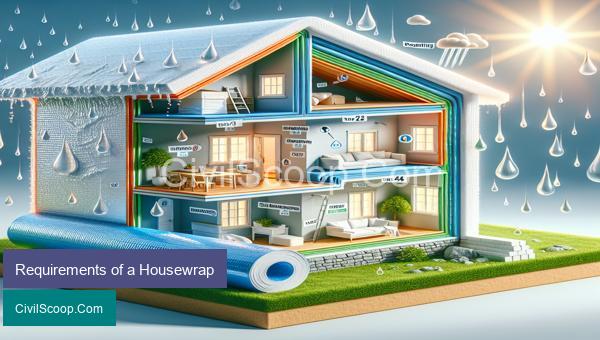
Housewrap is a type of building material that is commonly used as an external weather-resistant barrier in the construction of homes and buildings. It is typically made of a synthetic material such as polyethylene or polypropylene and is designed to act as a protective layer between the exterior of the building and the insulation layer. Housewrap is an essential component in modern construction, as it helps to prevent air and moisture infiltration, thus increasing the energy efficiency and durability of a home. In order for housewrap to be effective, it must meet certain requirements.
1. Water Resistance: One of the primary functions of housewrap is to prevent moisture from entering the building envelope. This is why it is important for housewrap to have a high level of water resistance. It should be able to withstand heavy rain and snow, as well as high levels of humidity, without allowing water to pass through.
2. Breathability: While housewrap should be able to keep water out, it should also allow water vapor to escape. This is known as breathability and is an important factor in preventing the buildup of moisture within the walls. Too much moisture inside the walls can lead to mold and rot, which can compromise the structural integrity of the building.
3. UV Resistance: Housewrap is typically installed on the exterior of a building and is exposed to sunlight. Therefore, it is important for it to have UV resistance to prevent it from degrading or breaking down over time. A good quality housewrap should be able to withstand the effects of UV rays for an extended period of time.
4. Durability: A housewrap should be able to withstand the rigors of the construction process. It should be able to resist tears and punctures while being installed, and it should also be able to withstand strong winds without tearing or becoming loose. A durable housewrap will help to maintain its integrity and protect the building envelope for years to come.
5. Ease of Installation: Housewrap should be easy to install and work with. It should be lightweight and flexible enough to wrap around corners and other irregular shapes without tearing. It should also be easy to cut with a utility knife and should have clear installation instructions.
6. Compatibility with other Building Materials: Housewrap should be compatible with other building materials such as adhesives and sealants. This is important for creating an airtight seal around windows and doors, as well as for patching any tears or gaps in the housewrap during installation.
7. Local Building Code Requirements: It is important to ensure that the housewrap being used meets the local building code requirements. Building codes may vary depending on the location and climate of the building, so it is important to consult with the local building department or a professional to determine the specific requirements for a particular project.
In conclusion, housewrap plays a crucial role in protecting a building from external elements. It is important to consider these requirements when selecting a housewrap to ensure it is effective and meets the necessary standards for your construction project. Choosing the right housewrap can help to improve the energy efficiency and longevity of a home, ultimately leading to cost savings for the homeowner in the long run.
Conclusion
In conclusion, housewraps are an essential component in modern home construction. They provide protection against moisture, air, and drafts, ultimately increasing the comfort, energy efficiency, and longevity of a home. It is important for homeowners and builders to understand the different types of housewraps available and choose one that best suits their needs. Regular maintenance and proper installation are crucial to ensure the effectiveness of housewraps. By investing in a good quality housewrap, you can not only save on energy bills but also protect your home from potential damages. So, next time you are planning to build or renovate a house, make sure to consider using a housewrap for maximum protection and comfort.