
As cities evolve and grow, buildings and structures become outdated and unsafe, requiring demolition. While demolition may seem like a straightforward process, it involves a complex set of procedures and safety protocols to ensure the protection of both workers and the surrounding community. In this article, we will delve into the various safety protocols that are essential for a successful and safe demolition of any structure. From planning to execution, we will examine the necessary measures that must be taken to minimize risks and ensure a smooth and efficient demolition process. Whether you are a demolition professional or simply interested in the intricacies of this important process, this article will provide valuable insights into the safety protocols involved in demolition.
Table of Contents
What are the Safety Protocols for the Demolition of a Structure?

Demolition of a structure involves the controlled dismantling or destruction of a building or other man-made structures. It is a complex and potentially dangerous process that requires careful planning and execution to ensure the safety of the workers and the surrounding environment. It is essential to follow strict safety protocols during demolition to minimize the risk of accidents, injuries, and property damage. In this article, we will discuss the safety protocols that should be followed during the demolition of a structure.
1. Conduct a thorough site evaluation
Before starting the demolition process, a thorough site evaluation must be conducted. This includes identifying potential hazards such as unstable structures, electrical, gas, and water connections, presence of hazardous materials and underground utilities. This evaluation will help in developing a demolition plan and identifying the necessary safety protocols.
2. Develop a demolition plan
A detailed demolition plan must be created before starting the actual work. The plan should include the sequence of demolition, equipment and resources required, and the safety protocols to be followed. The plan should also consider the location of nearby structures, traffic, and accessibility to the site.
3. Obtain necessary permits and approvals
Before starting the demolition work, it is important to obtain all the necessary permits and approvals from the local authorities. This includes a demolition permit, building permits, and any other required documentation. These permits ensure that the demolition work complies with the safety regulations and that all safety protocols are followed.
4. Ensure proper training and supervision of workers
All workers involved in the demolition process must receive proper training on safety protocols and procedures. This includes the proper use of equipment, personal protective equipment (PPE), and emergency procedures. It is also essential to have a supervisor on-site to oversee the demolition work and ensure that all safety protocols are being followed.
5. Use appropriate demolition techniques
There are different methods of demolition, and the most suitable method should be chosen based on site conditions and the type of structure being demolished. It is important to use the right equipment and techniques to avoid accidents and minimize the risk of damage to nearby structures and the environment.
6. PPE and safety gear
Wearing the right personal protective equipment (PPE) is crucial for the safety of workers during demolition. This includes hard hats, safety glasses, earplugs, gloves, and steel-toed boots. Workers should also wear high-visibility vests to make them visible to other workers and equipment operators.
7. Control dust and debris
Demolition work produces a significant amount of dust and debris, which can be hazardous to workers and the surrounding environment. Adequate measures should be taken to control dust and debris, such as using water to suppress dust and placing barriers to prevent debris from spreading.
8. Decontaminate hazardous materials
Before demolition can begin, all hazardous materials such as asbestos, lead, and chemicals must be identified and removed from the site. This must be done by trained and licensed professionals in accordance with safety protocols to protect the workers and the surrounding environment.
9. Inspect and maintain equipment
All equipment used for demolition work must be inspected and maintained regularly to ensure their proper functioning. This includes cranes, excavators, bulldozers, and other heavy machinery. Faulty equipment can lead to accidents and injuries, so it is important to address any issues promptly.
10. Emergency and evacuation procedures
Despite taking all necessary precautions, accidents can still happen during demolition work. It is essential to have a detailed emergency and evacuation plan in place, including designated safe
1. Planning and Permit for Demolition of a Structure

The demolition of a structure is an important and delicate process in civil engineering. It involves the careful planning and execution of various steps to safely and efficiently bring down a building or other manmade structure. One of the crucial aspects of this process is obtaining proper planning and permits.
Planning for demolition of a structure begins with a thorough assessment of the site and structure itself. This includes conducting a survey of the site, identifying any potential hazards or risks, and assessing the structural integrity of the building. At this stage, it is also important to review any existing plans, documentation, or regulations related to the structure, as well as the surrounding area.
Once a thorough evaluation is done, the next step is to determine the method of demolition that will be used. There are various techniques for demolition, such as implosion, mechanical demolition, and deconstruction. The chosen method will depend on factors such as the type of structure, its location, and any environmental concerns.
After deciding on the method, the engineer must develop a detailed demolition plan. This plan should outline the specific steps and procedures that will be followed, as well as identify any potential issues and how they will be addressed. The plan should also include a timeline for each phase of the demolition process.
The next crucial step in the planning process is obtaining the necessary permits. Depending on the size and location of the structure, different permits may be required from local, state, or federal authorities. The engineer must research and understand all relevant regulations and ensure that all necessary permits are obtained before proceeding with the demolition.
Obtaining proper permits not only ensures that the demolition process is carried out in compliance with all regulations but also helps protect the safety of workers and the surrounding community. It also helps to minimize any potential legal liabilities.
In addition to obtaining permits, the engineer must also obtain permission from any relevant parties, such as the owner of the structure or neighboring properties. This is important for maintaining good relationships and avoiding any potential disputes or conflicts during the demolition process.
Once all planning and permits are in place, the actual demolition can take place. The engineer must closely monitor the process to ensure that everything is carried out according to the plan and in compliance with regulations. Safety measures such as dust control, noise management, and debris removal must be implemented to minimize any impact on the surrounding area and environment.
In conclusion, proper planning and obtaining necessary permits are crucial steps in the demolition of a structure. It ensures that the process is carried out safely, efficiently, and in accordance with all regulations. As a civil engineer, it is important to carefully follow these steps to ensure a successful and smooth demolition.
2. Precautions Prior to Demolition of a Structure
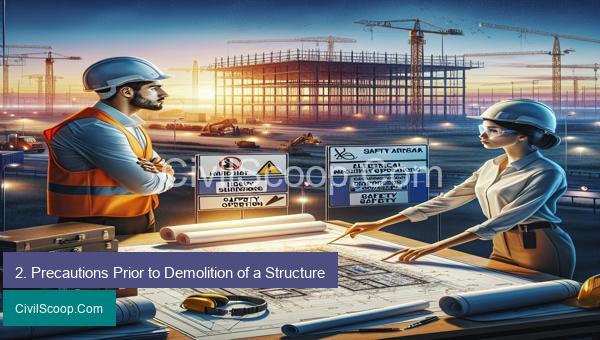
As a civil engineer, one of the important tasks that I often encounter is demolition of structures. Demolition involves the controlled dismantling or destruction of a building or any other man-made structure. It is a complex process that requires careful planning and execution to ensure safety and minimal environmental impact. Here are two crucial precautions that must be taken prior to demolition of a structure:
1. Conducting a thorough site inspection and assessment:
The first step before any demolition project is to conduct a detailed site inspection and assessment. The purpose of this inspection is to identify potential hazards and risks that could affect the demolition process. The engineer in charge must assess the structural integrity of the building and determine factors such as the age, size, height, and materials used in construction. Additionally, the surrounding environment must be evaluated to determine any potential risks to nearby buildings, infrastructure, or natural resources.
During this inspection, it is crucial to also identify any hazardous materials, such as asbestos, lead paint, or mold, present in the structure. These materials must be properly handled and disposed of in accordance with local regulations to avoid any health hazards for the workers and the community.
2. Developing a detailed demolition plan:
Once the site assessment is complete, the next step is to develop a detailed demolition plan. This plan must be carefully prepared by the structural engineer in charge and approved by the local authorities before any demolition work can begin. The plan must include information on the demolition methods, sequence of operations, equipment and machinery to be used, and safety protocols. It must also specify the procedures for removing debris, managing hazardous materials, and controlling dust and noise.
The demolition plan must also include emergency procedures and contingency plans in case of unexpected situations. It is essential to have a well-trained and experienced team of workers handling the demolition process. The workers must follow all safety protocols and wear appropriate personal protective equipment (PPE) at all times.
In conclusion, demolition of a structure is a complex and risky process that requires careful planning and execution. By conducting a thorough site inspection and developing a detailed demolition plan, we can ensure the safety of the workers, nearby structures, and the environment. As a civil engineer, it is our responsibility to adhere to all safety measures and regulations to carry out demolition work efficiently and responsibly.
3. Protection of the Public of a Structure
Protection of the public is a crucial aspect of any civil engineering project, especially when it comes to the construction of structures. This involves ensuring the safety and well-being of individuals who will be using or living near the structure. As a civil engineer, it is our responsibility to design and construct structures that meet safety standards and minimize any potential risks to the public. In this article, we will discuss three important ways of protecting the public of a structure.
1. Adhering to Building Codes and Regulations:
The first and foremost step in protecting the public of a structure is to follow building codes and regulations. These codes are set by government authorities to ensure the safety and structural stability of any construction project. As a civil engineer, it is our responsibility to familiarize ourselves with these codes and ensure that all design and construction practices are in compliance with them. Building codes cover various aspects of construction, such as structural design, materials, fire safety, electrical and plumbing systems, and accessibility for individuals with disabilities. By following these codes, we can ensure that the structure is safe for public use.
2. Conducting Thorough Structural Analysis:
Structural analysis is a critical process in ensuring the safety of a structure. It involves predicting the behavior and stability of a structure under various loads and conditions. As a civil engineer, we must conduct a thorough structural analysis using advanced software and techniques to determine the integrity of the structure. This analysis helps us identify any potential weaknesses or flaws in the structural design and allows us to make necessary modifications to ensure the safety of the public.
3. Regular Inspections and Maintenance:
Even with proper design and construction, structures can deteriorate over time due to various factors such as weather, wear and tear, and unexpected events like earthquakes or floods. As a civil engineer, it is our responsibility to conduct regular inspections to monitor the condition of the structure and identify any potential hazards. Timely maintenance and repair work can prevent minor issues from turning into major safety hazards. In case of any damages or defects, it is imperative to take immediate action to ensure the safety of the public.
In conclusion, the protection of the public of a structure is a crucial aspect of civil engineering. By adhering to building codes and regulations, conducting thorough structural analysis, and regular inspections and maintenance, we can ensure the safety and well-being of the public using the structure. As civil engineers, it is our ethical and professional duty to prioritize the safety of the public in all our construction projects.
4. Precautions during demolition of a Structure
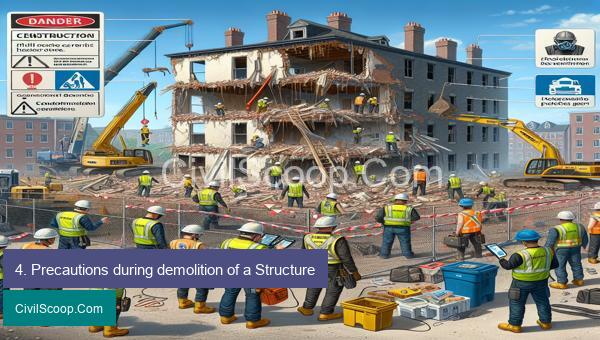
Demolition is the process of intentionally tearing down a structure, either partially or completely. As a civil engineer, it is important to ensure that proper precautions are taken during the demolition process to ensure safety and avoid any potential risks or damages. Here are four important precautions that should be taken during demolition of a structure:
1. Structural Analysis: Before beginning the demolition, it is crucial to carry out a thorough structural analysis of the building. This will help in determining the strength and stability of the structure and identify any potential weak points that could collapse during the demolition process. The analysis should be done by a qualified structural engineer and should be based on the building’s original design and construction.
2. Safety Measures: Demolition is a dangerous task and requires strict safety measures to be in place. These include wearing appropriate personal protective equipment such as hard hats, safety goggles, gloves, and safety shoes. The demolition area should also be cordoned off to prevent unauthorized entry and debris should be constantly cleared to avoid accidents and tripping hazards.
3. Controlling Debris: Demolition produces a large amount of debris and dust which can be hazardous if not managed properly. It is important to control the spread of debris and dust by using proper equipment such as dust collectors and sprinklers. This will not only ensure safety but also keep the surrounding area clean and minimize environmental impact.
4. Method of Demolition: Depending on the type of structure, different demolition methods can be used such as mechanical demolition, implosion, and manual demolition. Each method has its own risks and safety precautions should be taken accordingly. For instance, implosion requires careful planning and expertise to ensure that it is done safely and does not cause harm to nearby structures or people.
In addition to these precautions, it is crucial to have a demolition plan in place that outlines the sequence of demolition, measures for dealing with unexpected hazards, and emergency procedures. It is also important to have a team of qualified and experienced professionals to carry out the demolition process. By following these precautions, the demolition of a structure can be carried out safely and efficiently, minimizing any potential risks or damages.
5. Lowering, Removal and Disposal of Demolished Materials

Lowering, removal, and disposal of demolished materials is an important aspect in the process of demolition and construction. This process involves the safe and efficient removal of debris, rubble, and other materials from a demolition site in order to make way for new construction. As a civil engineer, it is crucial to understand the various methods and techniques involved in this process to ensure the safety of workers and the surrounding environment.
1. Lowering of materials
Lowering is the process of bringing down demolished materials to ground level. It involves the use of heavy machinery such as excavators, cranes, and bulldozers to carefully lower materials to the ground. This process requires skilled operators who are trained in handling these machines. The use of proper rigging techniques and the selection of appropriate lifting equipment is essential to ensure a safe and efficient lowering process.
2. Removal of materials
Once materials have been lowered to ground level, they need to be removed from the demolition site. This involves loading the materials onto trucks or other transportation vehicles and transporting them to a designated disposal site. The type of materials being removed will determine the equipment and method used for removal. For example, smaller debris can be loaded into a dumpster or skip, while larger materials may require the use of a front-end loader or dump truck.
3. Sorting and recycling
Before disposal, it is important to sort through the demolished materials to determine which can be recycled. This is not only beneficial for the environment but also for cost savings. Materials such as concrete, bricks, and metal can be recycled and reused in new construction projects. A sorting facility should be set up at the demolition site to separate recyclable materials from non-recyclable ones.
4. Disposal of materials
The disposal of demolished materials must be done in accordance with local laws and regulations. Hazardous materials such as asbestos must be disposed of in a designated facility to prevent harm to the environment and human health. Other materials such as concrete and wood can be disposed of at a landfill or recycling center. Civil engineers must ensure that all materials are disposed of properly and in compliance with regulations to avoid any legal consequences.
5. Environmental considerations
Lowering, removal, and disposal of demolished materials can have a significant impact on the environment if not done properly. Civil engineers must take into account any potential risks to the surrounding environment, such as air and water pollution. Measures such as dust control and erosion prevention should be implemented to minimize the environmental impact. Additionally, any contaminated materials must be carefully handled and disposed of in accordance with environmental guidelines.
In conclusion, the process of lowering, removal, and disposal of demolished materials requires careful planning and execution. As a civil engineer, it is important to be aware of the various methods and techniques involved in this process to ensure the safety of workers and the protection of the surrounding environment. By following proper procedures and guidelines, the demolition and construction process can be done efficiently and responsibly.
6. Safety Precaution during Mechanical Demolition of a Structure

Mechanical demolition is a process of dismantling or destroying a structure using specialized equipment such as excavators, cranes, or bulldozers. This method of demolition is commonly used in the construction industry to clear a site for new construction or to demolish old and unsafe structures. As a civil engineer, it is essential to ensure that safety measures are in place to protect workers and the surrounding environment during the mechanical demolition process. Here are six safety precautions that should be followed during mechanical demolition.
1. Conduct a thorough site inspection
Before starting the demolition process, it is crucial to conduct a thorough site inspection to identify any potential safety hazards. This includes checking for compressed gas lines, underground utilities, and hazardous materials such as asbestos. A site inspection will also help in determining the best approach and equipment to be used for the demolition process.
2. Develop a demolition plan
A detailed demolition plan should be developed and followed to ensure the safety of workers and the public. The plan should include a timeline for the demolition process, safety measures, and emergency procedures. It should be reviewed and approved by a qualified engineer before work begins.
3. Use proper protective equipment
Workers involved in the mechanical demolition process should wear appropriate protective equipment such as hard hats, safety goggles, earplugs, and high-visibility vests. This gear will protect them from falling debris and other hazards.
4. Secure the perimeter
Before starting the demolition, the area should be secured to prevent unauthorized access. The perimeter should be clearly marked, and warning signs should be posted to alert people of the ongoing demolition work. Barricades, fences, and safety tapes can also be used to restrict access to the demolition site.
5. Operate equipment by trained personnel
Only trained and experienced personnel should operate the demolition equipment. They should be familiar with the specific equipment and any potential hazards associated with it. Safety protocols and operating procedures should be strictly followed while operating the machinery.
6. Monitor for potential hazards
During the demolition process, it is essential to regularly monitor the site for any potential hazards. This includes checking the stability of the structure, disposing of debris properly, and controlling dust and noise levels. Any hazards should be addressed immediately to ensure the safety of workers and the surrounding area.
In conclusion, mechanical demolition is a complex and potentially hazardous process. Therefore, it is crucial to follow these safety precautions to prevent accidents and injuries. As a civil engineer, it is your responsibility to ensure that all necessary safety measures are in place before, during, and after the demolition process.
7. Other Safety Precautions of a Structure
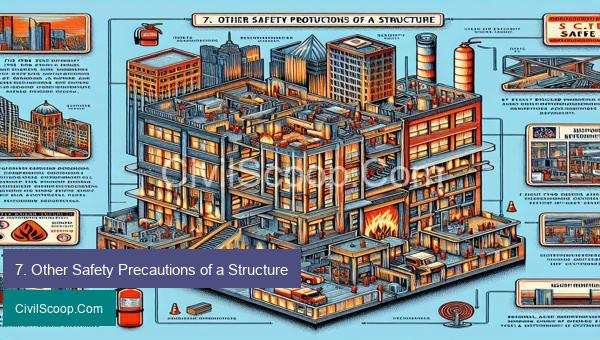
When it comes to ensuring the safety of a structure, there are several other precautions that civil engineers must take into consideration. These precautions are important in preventing accidents, minimizing damage, and ensuring the long-term stability of the structure. Here are seven other safety precautions that should be implemented in the design, construction, and maintenance of a structure.
1. Fire Safety Measures:
Fire safety measures are a crucial aspect of building design. Proper fire safety measures can save lives and minimize property damage in the event of a fire. This includes the installation of fire alarms, sprinkler systems, and fire exits. Civil engineers must ensure that these systems are integrated into the structure seamlessly and meet all safety codes and standards.
2. Electrical Safety:
Electrical hazards are a common cause of accidents in buildings. During the design phase, civil engineers must carefully plan the placement of electrical systems to reduce the risk of electrocution. They must also ensure that all electrical systems are installed and maintained properly, and regular safety checks are conducted.
3. Earthquake Resistant Design:
Earthquakes can cause severe damage to structures, leading to loss of life and property. Civil engineers must ensure that the structure is designed and built to withstand seismic forces. This includes the use of materials that can absorb and dissipate energy, as well as creating a flexible structure to minimize damage during an earthquake.
4. Wind Load Analysis:
Wind load analysis is essential in areas that are prone to strong winds. Civil engineers must assess the wind load that the structure will experience and design it accordingly. This includes the use of appropriate materials, structural elements, and connections to resist the force of high winds.
5. Flood Control:
Flooding can cause significant damage to structures, leading to structural failure and costly repairs. Civil engineers must analyze the site’s flood risk and design the structure to resist the force of floodwaters. This may include incorporating flood-proofing measures such as elevated foundations, waterproofing, and drainage systems.
6. Structural Maintenance:
Regular maintenance of a structure is crucial in ensuring its safety and longevity. Civil engineers must create a maintenance plan that includes regular inspections, repairs, and replacements of structural elements. This will help to identify potential issues and address them before they become a safety hazard.
7. Access and Egress:
Civil engineers must also consider the safety of the people entering and exiting the structure. This involves providing clear and safe access and egress points, such as stairways, walkways, and emergency exits. These access points must be designed to accommodate a large number of people in case of emergencies.
In conclusion, ensuring the safety of a structure requires the implementation of several other precautions beyond the structural design. Fire safety measures, electrical safety, earthquake resistance, wind load analysis, flood control, structural maintenance, and safe access and egress are all critical aspects that civil engineers must consider when designing a structure. By implementing these precautions, civil engineers can ensure the safety and structural integrity of a building, providing peace of mind to its occupants and the surrounding community.
8. First Aid for Demolition of a Structure

Demolition of a structure is a process that involves the systematic dismantling or destruction of a building or other man-made structures. It can be a dangerous task, and accidents can occur if proper safety precautions and first aid measures are not taken. As a civil engineer, it is important to be familiar with first aid techniques for demolition to ensure the safety of all workers involved in the process.
Here are 8 first aid tips for the demolition of a structure:
1. Conduct a Pre-Demolition Assessment: Before starting any demolition work, it is crucial to conduct a thorough assessment of the structure and the site. This will help identify potential hazards and plan for appropriate first aid measures.
2. Provide Protective Gear: Ensure that all workers involved in the demolition wear appropriate personal protective equipment (PPE) such as hard hats, safety glasses, gloves, and steel-toed boots. In case of any injury, these can prevent further harm.
3. Understand Emergency Protocols: It is essential to have a well-defined emergency protocol in place before starting a demolition project. This should include the location of first aid kits, emergency exits, and emergency contact numbers.
4. Train Workers in First Aid: It is crucial to provide adequate training to workers on basic first aid techniques. This will enable them to help themselves or their colleagues in case of a medical emergency.
5. Be Familiar with Common Injuries: It is crucial to be aware of common injuries that can occur during demolition work, such as fractures, cuts, bruises, and eye injuries. This will help you be prepared for any situation.
6. Treat Minor Injuries: Be prepared to handle minor injuries such as cuts, scrapes, and bruises on the worksite. Keep a first aid kit readily accessible and provide workers with basic first aid training to enable them to address these injuries.
7. Seek Medical Attention for Serious Injuries: In case of more severe injuries like fractures, head injuries, or deep cuts, seek immediate medical attention. Immobilize the injured person and call for professional help.
8. Regularly Review Safety Protocols: It is essential to regularly review and update safety protocols and first aid procedures to ensure the safety of workers during demolition work. Any new team members should also be trained in the safety measures and first aid techniques before starting work.
In conclusion, demolition work can be hazardous, and it is crucial to prioritize safety and have proper first aid protocols in place. As a civil engineer, it is your responsibility to ensure the safety of everyone involved in the project. By following these first aid tips, you can help prevent accidents and handle any injuries that may occur during the demolition process.
Conclusion
In conclusion, safety protocols are crucial for the successful and safe demolition of any structure. From thorough planning and risk assessment to proper training and equipment, following these protocols can prevent accidents and injuries, and ensure the protection of both workers and the surrounding environment. It is important for all parties involved in a demolition project to understand and adhere to these protocols to avoid any potential disasters. By prioritizing safety, we can ensure a smooth and successful demolition process while protecting the well-being of everyone involved. Let us always remember that with the right precautions and protocols, demolition can be done efficiently and most importantly, safely.