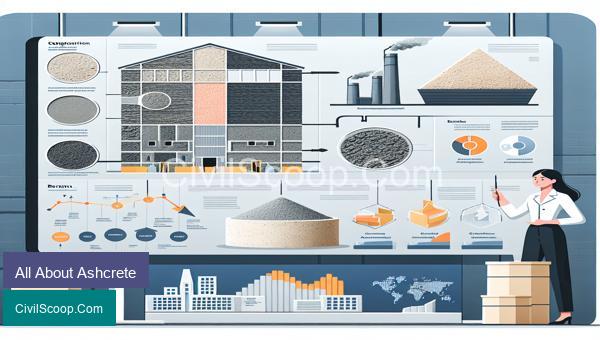
Ashcrete, also known as fly ash concrete, is gaining attention as an eco-friendly alternative to traditional concrete. Made from a mixture of fly ash, a byproduct of coal-fired power plants, and other inert materials, this innovative material has the potential to significantly reduce carbon emissions and divert millions of tons of waste from landfills. In this article, we will delve into the properties, benefits, and applications of ashcrete, as well as its impact on the construction industry and the environment. Discover all you need to know about this sustainable building material that is changing the game in the world of construction.
Table of Contents
What is Ashcrete
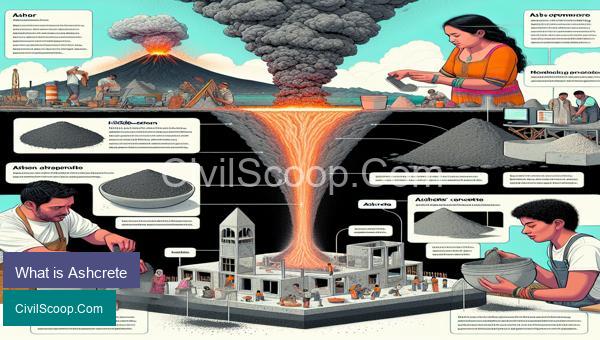
Ashcrete is a type of concrete that is made by incorporating coal ash, also known as fly ash, into the mix. Fly ash is a byproduct of coal burning power plants and is often considered a waste material. However, with the development of ashcrete, fly ash is now being utilized to create a sustainable and environmentally friendly building material.
The concept of ashcrete was pioneered by civil engineer F. H. Southwell in the 1930s, but it gained popularity in the 1970s as environmental concerns and the need for more sustainable construction methods increased. Ashcrete is similar to traditional concrete in terms of its composition and ingredients, but it differs in the amount of cement used. While traditional concrete uses Portland cement as a binding agent, ashcrete uses a smaller amount of cement and replaces it with fly ash.
The benefits of ashcrete are numerous. By using fly ash, the amount of cement needed to create the same strength as traditional concrete is reduced, resulting in a reduction in carbon dioxide emissions. Additionally, fly ash is a low-cost material, making ashcrete a more affordable option for construction projects. It also has improved workability, which means it can be easily molded and shaped, making it an ideal material for decorative applications.
Another significant advantage of ashcrete is its improved durability. Fly ash has the ability to fill in the gaps and voids in the concrete, making it stronger and less susceptible to cracking and water damage. This makes it a preferred choice for structures that are exposed to harsh weather conditions or subject to heavy loads.
Ashcrete also has better insulating properties compared to traditional concrete, making it an attractive option for sustainable construction. Due to its lower heat conductivity, buildings made with ashcrete can reduce energy costs by maintaining the temperature inside the structure, resulting in decreased heating and cooling needs.
In conclusion, ashcrete is a sustainable, cost-effective, and durable alternative to traditional concrete. It has gained popularity in recent years as the construction industry continues to prioritize environmentally friendly and sustainable building materials. With its numerous benefits, ashcrete is expected to become a more widely used material in the future of construction.
What is Ashcrete
Ashcrete is a type of concrete that is made by incorporating coal ash, also known as fly ash, into the mix. Fly ash is a byproduct of coal burning power plants and is often considered a waste material. However, with the development of ashcrete, fly ash is now being utilized to create a sustainable and environmentally friendly building material.
The concept of ashcrete was pioneered by civil engineer F. H. Southwell in the 1930s, but it gained popularity in the 1970s as environmental concerns and the need for more sustainable construction methods increased. Ashcrete is similar to traditional concrete in terms of its composition and ingredients, but it differs in the amount of cement used. While traditional concrete uses Portland cement as a binding agent, ashcrete uses a smaller amount of cement and replaces it with fly ash.
The benefits of ashcrete are numerous. By using fly ash, the amount of cement needed to create the same strength as traditional concrete is reduced, resulting in a reduction in carbon dioxide emissions. Additionally, fly ash is a low-cost material, making ashcrete a more affordable option for construction projects. It also has improved workability, which means it can be easily molded and shaped, making it an ideal material for decorative applications.
Another significant advantage of ashcrete is its improved durability. Fly ash has the ability to fill in the gaps and voids in the concrete, making it stronger and less susceptible to cracking and water damage. This makes it a preferred choice for structures that are exposed to harsh weather conditions or subject to heavy loads.
Ashcrete also has better insulating properties compared to traditional concrete, making it an attractive option for sustainable construction. Due to its lower heat conductivity, buildings made with ashcrete can reduce energy costs by maintaining the temperature inside the structure, resulting in decreased heating and cooling needs.
In conclusion, ashcrete is a sustainable, cost-effective, and durable alternative to traditional concrete. It has gained popularity in recent years as the construction industry continues to prioritize environmentally friendly and sustainable building materials. With its numerous benefits, ashcrete is expected to become a more widely used material in the future of construction.
Advantages of Ashcrete
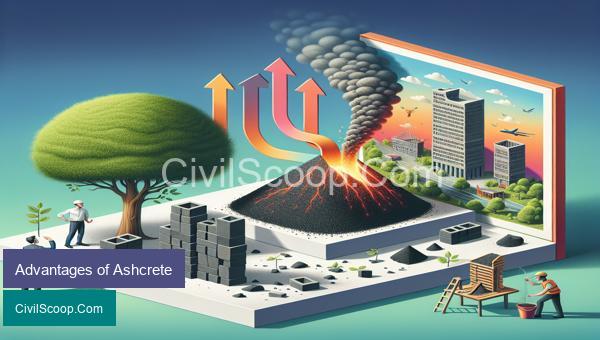
Ashcrete, also known as fly ash concrete, is a type of concrete that uses coal fly ash as a substitute for cement. Fly ash is a by-product of coal combustion and is a commonly available material. Ashcrete has gained popularity in recent years due to its numerous advantages. Some of the key advantages of Ashcrete are listed below:
1) Environmentally friendly: One of the main advantages of Ashcrete is its eco-friendliness. It uses fly ash, which is an industrial waste product, as a substitute for cement. This reduces the need for cement and hence reduces the amount of carbon dioxide emissions into the atmosphere. It also reduces the amount of landfill space needed to dispose of fly ash.
2) Increased strength: Ashcrete has been found to have higher compressive strength compared to traditional concrete. This can be attributed to the pozzolanic nature of fly ash, which reacts with calcium hydroxide in cement to produce additional cementitious compounds. This results in a stronger and more durable concrete.
3) Cost-effective: Since fly ash is a waste product, it is available at a lower cost compared to cement. This makes Ashcrete a cost-effective alternative to traditional concrete, especially for large-scale construction projects.
4) Reduced shrinkage: Shrinkage is a common problem in concrete that can cause cracking and structural damage. Due to its lower water-cement ratio, Ashcrete experiences less shrinkage compared to traditional concrete, making it more suitable for long-term use.
5) Improved workability: Ashcrete has a smoother and more workable consistency compared to traditional concrete, making it easier to handle and place. This results in better quality finishes and reduces the need for additional finishing processes.
6) Chemical resistance: Ashcrete has been found to have better resistance to chemical attack compared to traditional concrete. This makes it suitable for use in applications such as sewage treatment plants and industrial sites.
7) Thermal properties: Due to the pozzolanic nature of fly ash, Ashcrete has better thermal properties compared to traditional concrete. It has a lower thermal conductivity, which helps in retaining heat and reducing energy consumption in buildings.
8) Reduced heat of hydration: Ashcrete has a lower heat of hydration compared to traditional concrete. This means that it generates less heat during the curing process, which reduces the risk of thermal cracking.
9) Durability: Ashcrete has been found to have better resistance to freeze-thaw cycles, alkali-silica reactions, and sulfate attack compared to traditional concrete. This results in a more durable and long-lasting concrete.
10) Sustainable construction: With the increasing focus on sustainable construction practices, Ashcrete is a viable option as it makes use of a waste product and reduces the carbon footprint of construction projects.
In conclusion, Ashcrete offers a range of advantages that make it a suitable alternative to traditional concrete. Its eco-friendliness, cost-effectiveness, and improved strength and durability make it a popular choice in construction projects. Further research and development of Ashcrete can lead to even more benefits and make it an increasingly prominent option in the construction industry.
Disadvantages of Ashcrete
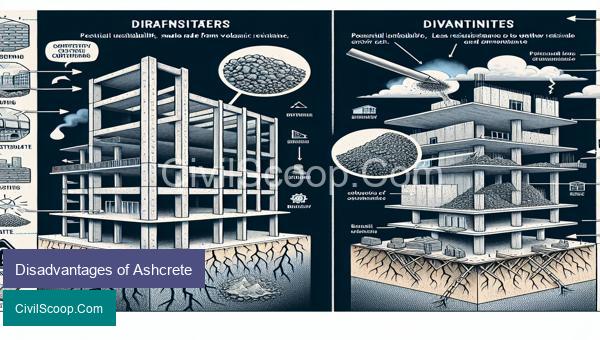
Ashcrete is a type of concrete that is made from coal ash, also known as fly ash. This material is often used as a substitute for cement in concrete production, as it is a byproduct of coal-fired power plants and is abundant in supply. While ashcrete has its benefits, it also has some disadvantages that must be considered.
1. Lower compressive strength: One of the primary disadvantages of ashcrete is its lower compressive strength compared to traditional concrete. This means that it may not be suitable for structures that require high strength, such as skyscrapers or bridges. This is due to the fact that fly ash has a lower cementing property than cement, which results in weaker concrete.
2. Longer curing time: Ashcrete also has a longer curing time compared to traditional concrete, which means it takes longer to reach its full strength. This can significantly impact construction schedules and may result in delays.
3. High water content: Fly ash has a higher water requirement than cement, which means that more water is needed to produce ashcrete. This results in a higher water-to-cement ratio, which can adversely affect the strength and durability of the concrete.
4. Potential for alkali-silica reaction: One of the major concerns with using ashcrete is the potential for alkali-silica reaction (ASR). This is a chemical reaction between the alkaline cement and reactive silica in the fly ash, which can result in the formation of a gel-like substance that can cause cracks and weaken the concrete.
5. Poor workability: Ashcrete has a lower workability than traditional concrete, which means that it is more difficult to place and finish. This can lead to increased labor costs and requires skilled workers to ensure proper placement and compaction.
6. Limited availability: While fly ash is a byproduct of coal-fired power plants, its availability can still be limited in certain regions. This can increase the cost of ashcrete and make it less feasible for widespread use.
7. Environmental concerns: While using fly ash in concrete is considered an eco-friendly alternative to using cement, it still has some environmental concerns. The production and transportation of fly ash can emit greenhouse gases, and there may also be concerns about the potential leaching of heavy metals into the soil and water sources.
In conclusion, ashcrete has some significant disadvantages that must be considered before using it in construction projects. While it may have cost and environmental benefits, its lower strength, longer curing time, and potential for ASR must be carefully evaluated before making the decision to use it. Proper testing and quality control measures must also be implemented to ensure the safety and durability of structures built with ashcrete.
Conclusion
In conclusion, Ashcrete is a revolutionary building material that offers a sustainable and cost-effective solution for the construction industry. It not only reduces the environmental impact of traditional concrete production but also provides a durable and strong alternative. Its unique properties make it suitable for a wide range of projects, from residential to commercial, and has been successfully tested and implemented in various countries. As we continue to prioritize sustainable and eco-friendly practices, Ashcrete is a promising option that can help us build a better future. With its many benefits, it is no surprise that it is gaining popularity in the construction industry. It is an exciting material to watch out for and has the potential to reshape the way we build. So, if you are involved in any construction project, considering