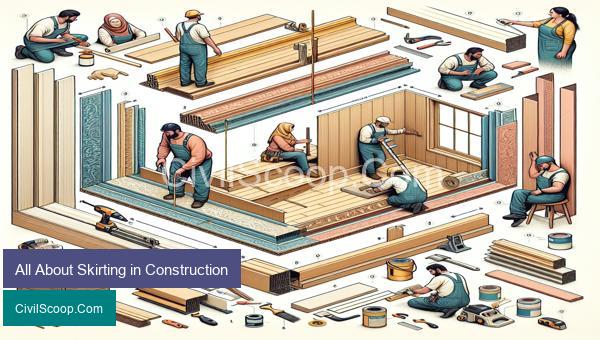
Skirting, also known as baseboard, is an often overlooked but essential aspect of construction. This frequently ignored feature plays a crucial role in not only the aesthetic appeal but also the functionality and safety of a building. From protecting walls and covering unsightly gaps to adding a finishing touch to a room, skirting serves multiple purposes in construction. In this article, we will explore the importance of skirting in construction, its different types, and the various considerations to keep in mind when choosing and installing skirting. Whether you are a homeowner, contractor, or simply curious about the world of construction, this article aims to provide a comprehensive understanding of all things skirting.
Table of Contents
What is Skirting in Construction? Purpose and Types
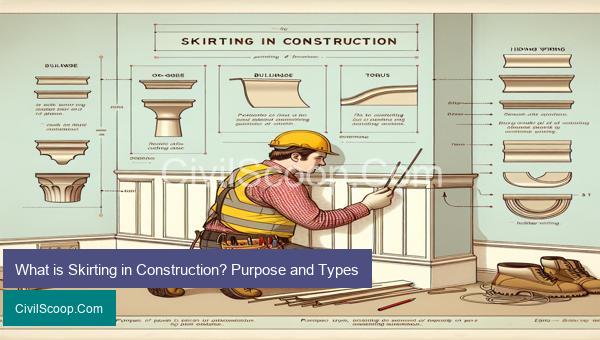
Skirting in construction refers to the finishing trim or molding that is installed along the bottom edge of a wall where it meets the floor. It is typically made from wood, PVC, or other types of materials and is used to cover the joint between the wall and the floor. Skirting is an essential element in construction as it provides a clean and polished look while also protecting the bottom of the wall from damage.
Purpose of Skirting:
The main purpose of skirting is to cover the unsightly gap between the wall and the floor. This gap is often present due to unevenness in the floor or walls, making it difficult to achieve a smooth finish. Skirting acts as a bridge between the floor and wall, covering imperfections and providing a clean and finished look. Additionally, skirting also helps in protecting the walls from any damage that may occur due to mops, brooms, or other cleaning equipment.
Types of Skirting:
1. Wooden Skirting: This is the most common and traditional type of skirting used in construction. It is made from solid wood, such as oak, pine, or cherry, and is available in various designs and finishes. Wooden skirting is durable, can be easily painted or stained to match the decor, and adds a touch of elegance to the room.
2. PVC Skirting: This type of skirting is made from PVC (polyvinyl chloride) and is becoming increasingly popular in construction due to its durability, versatility, and low maintenance. It is available in various colors and designs, making it easy to match with any style of room. PVC skirting is moisture resistant, making it suitable for use in areas such as bathrooms and kitchens.
3. Ceramic Skirting: This type of skirting is made from ceramic tiles and is commonly used in bathrooms and kitchens. The tiles can match the floor tiles, creating a seamless and consistent look. Ceramic skirting is easy to clean and maintain, making it an ideal choice for areas that are prone to getting wet.
4. Metal Skirting: Metal skirting is made from materials such as aluminum, stainless steel, or brass. It is often used in commercial buildings and industrial settings due to its durability and ability to withstand heavy traffic. Metal skirting is also resistant to moisture, making it suitable for use in areas such as kitchens and bathrooms.
In addition to the above types, there are also options for custom skirting that can be tailor-made to suit specific design needs. Skirting can also be combined with other materials, such as marble or granite, to create a more luxurious look.
In conclusion, skirting is an important aspect of construction that not only enhances the aesthetics of a space but also serves a practical purpose in protecting the walls and providing a clean finish. With a variety of types and designs available, skirting can be chosen based on the style and needs of the building.
1. Pencil Skirting Construction
Pencil skirting is a popular term used in the construction industry to describe a type of detail often found at the base of a wall or column. Also known as baseboard skirting or simply skirting, it is a finishing element that serves both practical and aesthetic purposes. Pencil skirting is typically made of wood, plastic, or plaster and is commonly seen in residential, commercial, and even industrial settings.
So, how is pencil skirting constructed? Let’s dive into the details.
1. Planning and Design:
Like any other construction project, planning and design are crucial for a successful pencil skirting installation. The design should consider the type of wall or column it will be attached to, the height of the skirting, and the desired aesthetic. The dimensions and material specifications must also be determined during this phase.
2. Material Selection:
As mentioned earlier, pencil skirting can be made of various materials, each with its own pros and cons. Wood is a popular and traditional choice for skirting due to its versatility and availability in different finishes. However, it may not be suitable for high-moisture areas as it can warp or rot. Plastic or PVC skirting, on the other hand, is more durable and moisture-resistant, making it ideal for bathrooms or kitchens. Plaster skirting is another option, often used for intricate and decorative designs.
3. Cutting and Measuring:
Once the material is chosen, the next step is to cut it into the desired dimensions. The skirting can be cut into straight or angled pieces, depending on the design. Accurate measurements are crucial to ensure a seamless fit with the wall or column.
4. Installation:
Pencil skirting can be attached to the wall using two methods – nailing or gluing. For wooden skirting, nailing is the most common method. The skirting is first pre-drilled to avoid splitting and then attached to the wall using nails or screws. In the case of adhesive installation, the skirting is glued directly to the wall or column using a strong construction adhesive.
5. Finishing:
Once the skirting is securely installed, the final step is to finish it. This includes filling any gaps, sanding down rough edges, and painting or staining the skirting to match the overall aesthetic of the space. The skirting can also be left unfinished for a more rustic look.
Overall, pencil skirting construction may seem like a simple process, but it requires precision and attention to detail to achieve a professional-looking finish. Hiring a skilled contractor or carpenter is recommended for a flawless installation. Pencil skirting not only enhances the appearance of a room but also helps protect walls and columns from damage. As a civil engineer, it is essential to understand the construction process and material considerations for pencil skirting to ensure its durability and functionality.
2. Wooden Skirting Construction
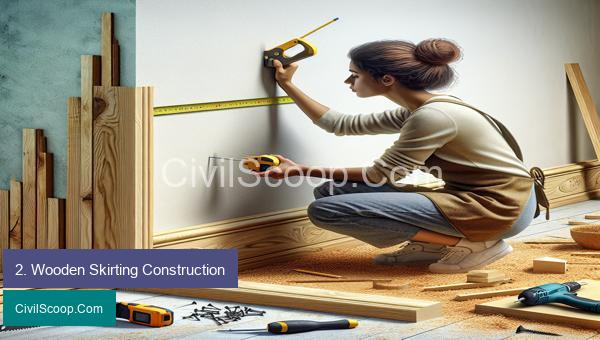
Wooden skirting is a popular type of trim used in construction projects that provides both functional and aesthetic benefits. Skirting refers to the material that covers the joint between the wall and the floor, often acting as a decorative finishing touch to a room. Wooden skirting is a type of skirting made from solid wood, typically MDF (medium-density fiberboard) or solid oak, and is commonly used in residential and commercial buildings.
In this article, we will discuss the construction process of wooden skirting, its benefits, and some tips for its installation.
Construction Process:
1. Material Selection:
The first step in constructing wooden skirting is to select the appropriate material. MDF and solid oak are the most commonly used materials due to their durability, stability, and availability in various finishes. The type of wood and finish chosen will depend on the desired look and budget.
2. Measuring and Cutting:
The next step is to accurately measure the length of the walls where the skirting will be installed. This ensures that the skirting will fit perfectly and provide a seamless finish. Once the measurements are taken, the wooden boards are cut to the required length using a saw.
3. Preparation:
Before installation, the wooden boards need to be prepared. This involves sanding the edges to remove any roughness and creating a smooth surface for painting or staining. If the skirting is to be painted, it is recommended to prime the wood beforehand to ensure better paint adhesion.
4. Installation:
Once the skirting is prepared, it is ready for installation. The most common method of installation is using a construction adhesive or a pneumatic nail gun. The adhesive is applied on the back of the skirting, and then it is pressed against the wall. If using a nail gun, nails are inserted at an angle through the skirting into the wall to ensure a secure fit.
5. Finishing Touches:
After the skirting is installed, any visible gaps between the skirting and the wall can be filled with caulk or wood filler. This will provide a seamless finish and prevent any drafts from entering the room. To complete the look, the skirting can be painted or stained to match the rest of the room.
Benefits of Wooden Skirting:
- Aesthetic appeal: Wooden skirting adds a touch of elegance and warmth to a room. It can be customized with different finishes and profiles to suit various interior design styles.
- Protection: Skirting acts as a protective barrier between the wall and the floor. It helps prevent scratches, scuffs, and dents on the wall caused by furniture, vacuum cleaners, or other objects.
- Hides imperfections: Wooden skirting can also hide imperfections in the wall-floor joint, providing a seamless and clean finish.
- Easy installation: The construction process of wooden skirting is relatively straightforward and can be completed without professional help, saving time and labor costs.
Tips for Installation:
- Make sure to measure accurately to avoid any gaps or overlapping of skirting joints.
- Use a construction adhesive or a pneumatic nail gun for a secure and durable installation.
- Allow for expansion and contraction of the wood by leaving a small gap between the skirting and the wall. This will prevent the skirting from warping or cracking.
- Sand and prime the skirting before installation to ensure a smooth and professional finish.
In conclusion, wooden skirting is a versatile and aesthetically pleasing option for finishing the joint between the wall and the
3. Metal Skirting Construction
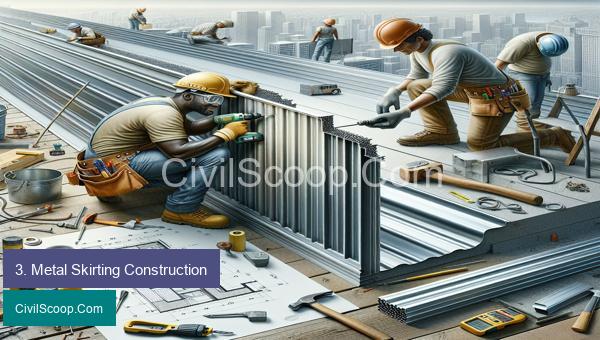
Metal skirting is a type of construction technique used in civil engineering to provide a protective and decorative covering for the lower portion of a building. It typically consists of a metal panel that is installed at the base of the structure’s walls, between the foundation and the exterior finish.
There are several materials that can be used for metal skirting construction, including aluminum, steel, and corrugated metal sheets. Each material has its own unique properties and benefits, depending on the specific needs and requirements of the building project.
The construction process for metal skirting involves several steps. The first step is to excavate and level the ground where the skirting will be installed. This ensures a stable and even foundation for the panels. Then, a frame is installed around the perimeter of the building, creating a support structure for the panels.
Next, the metal panels are cut to the appropriate size and shape, using specialized tools and machinery. These panels are then anchored to the frame, using screws or other fasteners, to create a secure attachment to the building.
One of the main advantages of metal skirting is its durability. Metal panels are resistant to weathering, corrosion, and damage from insects, making them ideal for use in areas with harsh climates or high moisture levels. They also provide an added layer of protection against potential water damage to the building’s foundation.
Metal skirting is also easy to maintain. Unlike wood or other materials that may require regular painting or sealing, metal panels can simply be wiped down or sprayed with water to clean off any dirt or debris.
In addition to their practical benefits, metal skirting can also enhance the aesthetic appeal of a building. They come in a variety of colors, finishes, and styles, allowing for customization to match the overall design of the structure.
However, there are some potential drawbacks to metal skirting. The installation process can be time-consuming and labor-intensive, and the cost may be higher compared to other types of skirting materials. Additionally, metal panels may dent or scratch easily, which can be a concern for buildings in high-traffic areas or with frequent contact.
In conclusion, metal skirting is a widely used construction technique in civil engineering due to its strength, durability, and aesthetic appeal. Its benefits make it an ideal choice for protecting the lower portion of a building and adding a visually appealing element to the overall design. However, it is important to consider the potential drawbacks and weigh them against the specific needs and requirements of the building project before selecting metal skirting as the construction method.
4. Continued Skirting Construction
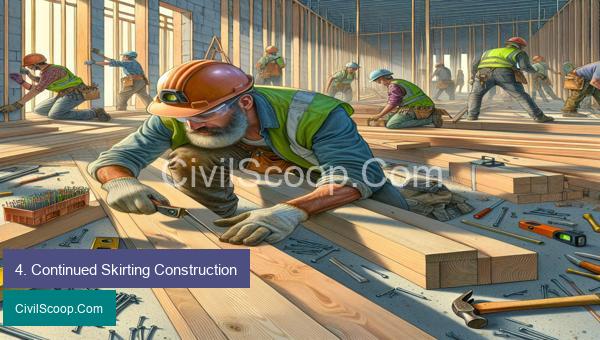
Skirting construction is an important aspect of any civil engineering project. It refers to the installation of a protective baseboard or molding along the bottom of a wall or structure. This serves both functional and aesthetic purposes and is crucial for the overall durability and appearance of a building.
In the previous section, we discussed the importance of proper skirting construction and the different materials that can be used. In this section, we will look at the continued construction process and the steps involved.
1. Preparation of the Area
Before any construction work can begin, the area where the skirting is to be installed must be prepared. This involves cleaning the surface to remove any debris, dust, or dirt and ensuring it is smooth and even. Any cracks or holes in the wall should also be filled and leveled.
2. Measurement and Marking
Accurate measurement and marking of the installation area is crucial for a successful skirting construction. Using a measuring tape and level, the location of the skirting should be marked on the wall at a consistent height. This ensures that the skirting will be straight and even along its entire length.
3. Cutting and Shaping of Skirting Materials
Once the installation area has been prepared and marked, the next step is to cut and shape the skirting materials to the desired size and profile. This can be done using a handsaw, electric saw, or other suitable tools, depending on the material being used.
4. Fixing the Skirting
The skirting is then placed against the wall and secured using screws, nails, or adhesive. The type of fixing method used will depend on the material of the skirting and the surface it is being attached to. It is important to ensure that the skirting is level and straight, and any gaps or spaces are filled to prevent moisture and debris from getting in.
5. Finishing Touches
Once the skirting is securely attached to the wall, any visible screws or nails should be filled with wood filler or caulking to create a seamless finish. The skirting can also be painted or stained to match the surrounding walls, giving a polished and cohesive look to the overall construction.
In conclusion, continued skirting construction requires attention to detail and precise execution to ensure a professional and durable finish. Skirting not only protects the bottom of walls from damage, but it also adds to the aesthetics of a building, making it an essential aspect of any civil engineering project.
5. Flush Skirting Construction
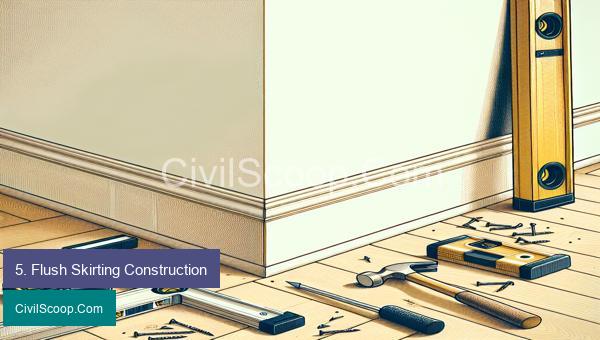
Flush skirting is an essential part of any construction process, especially in civil engineering. This type of skirting is a type of baseboard or trim that is installed at the bottom of an interior wall, where the wall meets the floor. The purpose of flush skirting is not only to enhance the aesthetic appeal of the room but also to protect the wall from damage and to hide any unsightly gaps between the wall and floor.
The construction of flush skirting involves several key steps and materials. Here are five important points to consider when constructing flush skirting:
1. Material Selection:
The first step in constructing flush skirting is to select the appropriate material. Commonly used materials include wood, PVC, MDF, and ceramic tiles. The choice of material depends on the budget, design, and durability required for the skirting. For example, PVC skirting is moisture-resistant and suitable for bathrooms and kitchens, whereas wooden skirting offers a more classic and elegant look.
2. Measuring and Cutting:
Before starting the installation process, the walls and the floor must be accurately measured. The purpose of this is to determine the total length of skirting required and to avoid any wastage of material. After measuring, the skirting is cut to the desired length using a miter saw or hand saw. Care must be taken to ensure perfect corners and joints.
3. Installation:
The next step is to install the skirting on the wall. The skirting is first fixed onto the wall with nails or screws, ensuring that the nails are sunk beneath the surface. An important aspect to consider during installation is that the skirting should be installed flush against the wall with no gaps. This not only enhances the aesthetics but also prevents any insects or moisture from entering.
4. Finishing:
Once the skirting is installed, the joints and nail heads are filled with a putty filler to create a smooth, seamless finish. After the filler dries, the skirting is sanded to create a uniform surface. If the skirting is made of wood, it can be painted, stained or varnished to suit the overall theme of the room.
5. Key Advantages:
There are several advantages to using flush skirting in construction. Firstly, it prevents damage to the wall from furniture or vacuum cleaners, thus prolonging the lifespan of the walls. Secondly, it covers any gaps between the wall and the floor, creating a neat and tidy look. Finally, flush skirting is easy to install and maintain, making it a cost-effective option for both residential and commercial buildings.
In conclusion, flush skirting is an essential aspect of civil engineering construction. It not only adds to the aesthetic appeal of a room but also protects the walls and floors from damage. With the right materials, precise measurement, installation techniques, and finishing, flush skirting can enhance the overall look and feel of any space.
6. Double Layered Skirting Construction
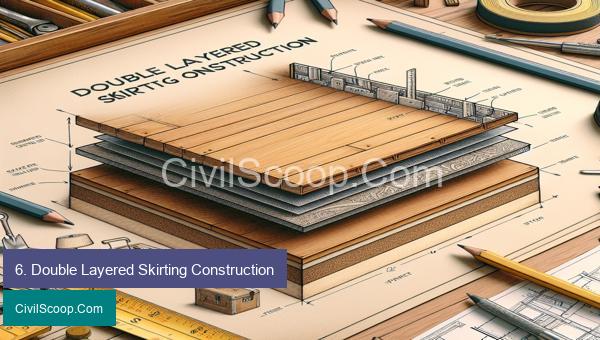
Double layered skirting construction is a technique commonly used in civil engineering to enhance the durability and functionality of buildings. It involves adding a second layer of material to the lower portion of a building, typically between the foundation and the first floor, to provide additional protection against various forms of damage.
The first layer of the skirting is usually made of stronger and more durable materials such as concrete, brick, or stone. This layer serves as the primary barrier against moisture, pests, and other external elements. It also helps to support the weight of the building and distribute it evenly to the foundation.
The second layer of the skirting is commonly made of timber, vinyl, or other lightweight materials. This layer is attached to the first layer and provides an additional layer of protection against the weather. It also serves as insulation, helping to keep the building cool in summer and warm in winter.
The construction process of double layered skirting usually begins with the excavation of the foundation. Once the foundation is in place, the first layer of the skirting is built, usually using bricks or concrete blocks. This layer is typically built to the height of the building’s first floor and serves as the base for the second layer.
The second layer of the skirting is then attached to the first layer using nails, screws, or other appropriate fasteners. The second layer is usually designed to fit seamlessly with the rest of the building’s exterior, ensuring a uniform and aesthetically pleasing appearance.
One of the major benefits of double layered skirting construction is its ability to protect against moisture and dampness, which can weaken the foundation and cause various forms of damage. The second layer acts as a barrier to water and can prevent water from seeping into the building’s foundation and causing damage like mold growth and rotting of wood.
Additionally, double layered skirting construction can also provide protection against pests, such as termites and rodents, which can cause significant damage to buildings. The second layer acts as a deterrent, making it difficult for pests to enter and damage the building’s structure.
Another advantage of double layered skirting construction is its ability to provide insulation. The second layer helps to trap air between the layers, creating a thermal barrier that can keep the building cool in summer and warm in winter. This can result in energy savings and reduce heating and cooling costs.
In conclusion, double layered skirting construction is a popular and effective technique used in civil engineering to enhance the durability and functionality of buildings. It provides protection against moisture, pests, and other external elements, while also providing insulation and improving the overall appearance of the building. It is a valuable addition to any construction project and is highly recommended for its numerous benefits.
Conclusion
In conclusion, skirting in construction is an essential element that not only adds aesthetic appeal to a building, but also serves practical purposes such as protecting the walls and hiding unsightly gaps. From traditional wooden skirting to modern alternatives like PVC and metal, there are endless options to choose from to suit any construction project. With the right materials and skilled installation, skirting can greatly enhance the overall look and functionality of a building. By understanding the various types and benefits of skirting, construction professionals and homeowners alike can make informed decisions to create a seamless and visually pleasing space. So, next time you embark on a construction project, don’t overlook the importance of skirting and consider all the options available to achieve a polished and refined finish.