
Electric arc welding is a widely used method for joining metal components, particularly in the construction industry. Within steel structures, electric arc welding plays a crucial role in creating strong, durable, and efficient connections between various structural elements. However, understanding the process of electric arc welding and its various applications in steel structures can be challenging for those new to the field. In this article, we will delve into the world of electric arc welding, exploring its history, techniques, and common uses in steel structures. By the end, readers will have a solid understanding of this essential welding process and its role in constructing of steel structures.
Table of Contents
How to Perform Electric Arc Welding in Steel Structures?
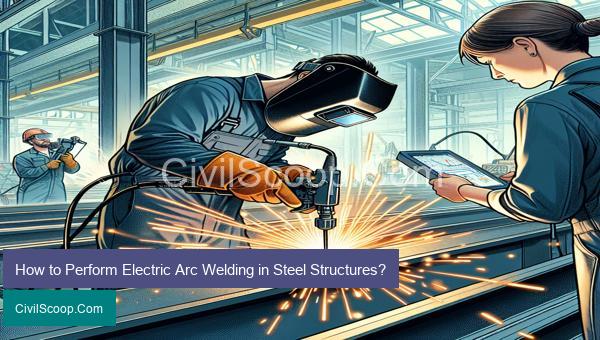
Electric arc welding, also known as stick welding, is a type of welding process commonly used in steel structures. It involves the use of a flux-coated electrode, an electric current, and a power supply to create an electric arc between the electrode and the workpiece. This process produces intense heat, causing the metal to melt and fuse together, creating a strong bond.
Here are the steps to perform electric arc welding in steel structures:
1. Preparation of the Workpiece:
Before starting the welding process, it is essential to clean the workpiece thoroughly. Use a wire brush or grinder to remove any rust, paint, or debris from the surface of the steel. Also, ensure that the workpiece is free from any oil or grease, as they can affect the quality of the weld.
2. Choose the Right Electrode:
Selecting the right electrode is crucial for a successful welding process. The type of electrode will depend on factors such as the type of steel, joint design, and welding position. The most commonly used electrodes for welding steel structures are E6013, E7018, and E7024. Consult with a welding expert or the electrode manufacturer to choose the best electrode for your specific project.
3. Set Up the Welding Equipment:
To perform electric arc welding, you will need a welding machine with a power source, electrode holder, ground clamp, and welding cables. Set up the equipment according to the manufacturer’s instructions and ensure that all connections are secure.
4. Adjust the Welding Current:
The correct welding current plays a significant role in producing high-quality welds. The current requirements will vary depending on the electrode diameter, type of steel, and joint design. Consult the welding manual or a welding expert to determine the ideal welding current for your project.
5. Start the Arc:
Before starting the arc, put on a welding helmet and wear protective gear, such as gloves and welding apron. Hold the electrode at a 45-degree angle to the workpiece and strike the arc by lightly tapping the electrode on the steel surface. Once the arc starts, slowly move the electrode along the joint, maintaining an even distance.
6. Create a Weld Pool:
As the electrode melts, a weld pool is formed. Use the electrode to create a smooth and consistent weld pool, ensuring that it penetrates the joint fully. Keep the electrode moving in a back and forth motion, laying down multiple layers of weld to achieve the desired weld thickness.
7. Maintain the Right Arc Length:
Maintaining the correct arc length is crucial for producing high-quality welds. The ideal arc length should be between ⅜ to ¾ of an inch. If the arc length is too long, the weld will be weak and prone to cracking. If it is too short, it can result in uneven welds and cause the electrode to stick to the workpiece.
8. Finish the Weld:
Once you have completed the weld, stop the arc and let the workpiece cool down. Use a chipping hammer or wire brush to remove the slag, which is the residue left on the surface of the weld. You can then grind the weld if necessary to achieve a smooth finish.
In conclusion, electric arc welding is a commonly used process for joining steel structures. By following the proper steps and using the right equipment and techniques, you can achieve strong and durable welds. It is essential to practice proper safety measures and consult with welding experts when needed to ensure the success of the welding
1. Laying Out Steel Members
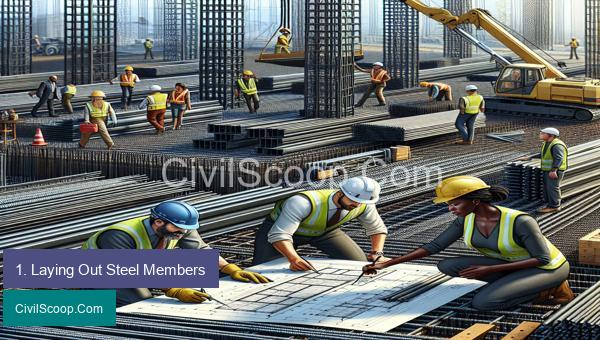
Laying out steel members is a crucial aspect of any civil engineering project that involves the use of steel structures. These members are essential elements in the construction of various structures such as bridges, buildings, and other infrastructural facilities. The responsibility of a civil engineer is not just limited to designing these structures but also ensuring that they are constructed efficiently and accurately with the use of proper engineering practices. In this article, we will discuss the importance of laying out steel members and the various factors that need to be considered while laying them out.
What is Laying Out Steel Members?
Laying out steel members refers to the process of marking and positioning steel structural elements in their designated locations as per the construction drawings. This process is typically carried out by a qualified engineer or a skilled technician who follows the drawing plans precisely and ensures the proper placement of steel members at the job site. The positioning of these members is crucial as it greatly influences the structural integrity and stability of the overall structure.
Importance of Laying Out Steel Members
Accurate positioning of steel members is essential for a successful construction project. Here are some of the reasons why laying out steel members is crucial:
1. Ensures Structural Integrity: The correct placement of steel members is crucial for a structure’s stability and strength. Any mistake in laying out these members can result in structural failure, leading to expensive repairs or, in worst cases, causing a catastrophic collapse.
2. Efficient Use of Materials: Laying out steel members carefully ensures that the material is put to the best possible use, with minimal wastage. It also eliminates the need for cutting and welding, saving time and labor costs.
3. Enhances Safety: Accurate positioning of steel members ensures the safety of workers and the public. It minimizes the risk of accidents or injuries caused due to structural failures.
4. Meets Design Specifications: The proper positioning of steel members ensures that the construction conforms to the design specifications and tolerances. This is important for ensuring that the structure can withstand the imposed loads and function as intended.
Factors to Consider while Laying Out Steel Members
Several factors need to be considered while laying out steel members. These factors differ depending on the type of structure being constructed and the specific project requirements. However, here are some of the key factors that engineers must consider when laying out steel members:
1. Drawing Plans: The first step in laying out steel members is to study and understand the construction drawings and specifications carefully. Proper interpretation of these drawings is essential for accurately positioning the steel members.
2. Material and Dimensions: Steel members come in various shapes and sizes, and the type of member specified in the construction drawings should be used. The dimensions must be carefully measured and verified before positioning them.
3. Location and Elevation: The correct location and elevation of steel members are critical to the structure’s stability and load-carrying capacity. Therefore, it is crucial to carefully mark and measure these elements before placement.
4. Surveying: Accurate surveying of the construction site is crucial to determine the correct placement of steel members. This involves determining the exact position of columns, footings, and other structural elements.
5. Quality Control: Prior to placement, all steel members must be inspected for any defects or damages, as specified in the project specifications. Only the members that meet all quality standards should be used for construction.
Conclusion
In conclusion, laying out steel members involves a combination of precise measurement, proper interpretation of construction drawings, and careful positioning of various
2. Fabrication of Steel Members
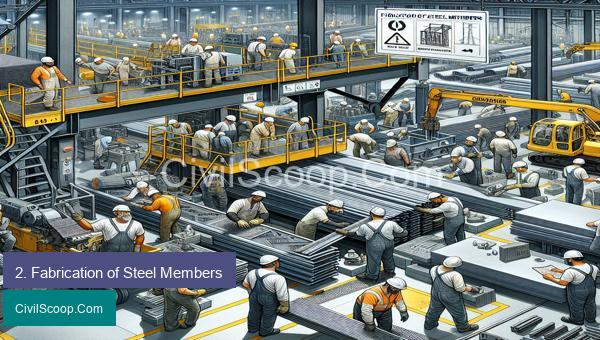
Fabrication of steel members is an essential process in the construction of any structure, from buildings and bridges to industrial structures and offshore platforms. Steel is a widely used material in the construction industry due to its high strength, durability, and versatility. The process of fabricating steel members involves transforming raw steel materials into finished structural components that can be easily assembled on site to construct a variety of structures.
The fabrication process begins with the selection and procurement of raw steel materials. Steel is typically purchased in large batches and delivered to the fabrication facility in the form of steel plates, beams, or rods. These materials are then carefully inspected for any defects or imperfections, such as cracks or corrosion, that could compromise the strength and integrity of the finished product.
Once the raw materials have been inspected and approved, the fabrication process can begin. The first step is usually to cut the steel into the desired shape and size using different cutting techniques such as shearing, sawing, or burning. Computer-aided cutting machines are often used to achieve precision and efficiency in the cutting process.
After cutting, the steel pieces are then shaped and formed to create the desired structural components. This can involve processes such as bending, rolling, and pressing. These techniques are used to create different shapes, such as I-beams, H-beams, and angles, which are commonly used in various structural designs.
Next, the fabricated components are welded together to create a single steel member. Welding is a crucial step in the fabrication process as it involves fusing the individual steel pieces together to form a strong and continuous structure. Different welding techniques, such as arc welding and gas welding, may be used depending on the design and specifications of the structure.
Once the individual steel members are welded together, they undergo surface treatment to enhance their durability and resistance to corrosion. This can involve processes such as sandblasting, priming, and painting. The final step in the fabrication process is quality control, where the finished steel members are inspected to ensure they meet the required standards and specifications.
After quality control, the fabricated steel members are then loaded onto trucks and shipped to the construction site, where they will be erected and assembled to form the final structure. Proper handling and transportation of the steel members are crucial to avoid any damage or distortion that could affect their structural integrity.
In conclusion, the fabrication of steel members is a complex and essential process in the construction industry. It involves several steps, from the selection and procurement of raw materials to the final assembly of the structural components. Proper fabrication techniques and quality control ensure that the steel members are strong, durable, and capable of withstanding the stresses and loads of the final structure.
3. Electric Arc Welding
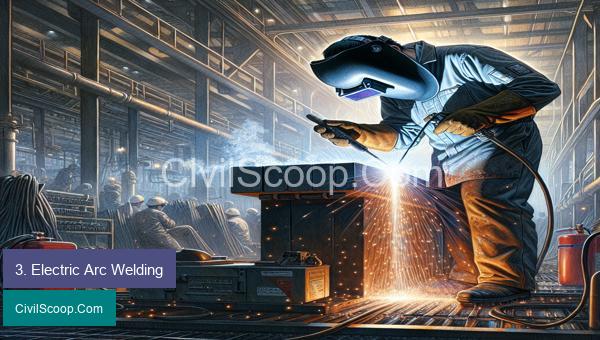
Electric arc welding is a commonly used method of joining metals in the field of civil engineering. It involves the use of a powerful electric current to melt and fuse two metal surfaces together, creating a strong and durable bond. The process is used in a variety of construction and fabrication projects, making it an integral part of civil engineering.
There are three main components in electric arc welding: a power source, an electrode, and a metal to be welded. The power source converts electricity into a high voltage and amperage output, which is necessary to create an arc. The electrode is a metal rod that carries the electric current and melts to form the weld. The metal to be welded is typically in the form of two separate pieces that are brought together and joined by the melted electrode.
The welding process begins by connecting the power source to the metal pieces and the electrode. When the electric current passes through the electrode, it creates an intense arc of electricity between the electrode and the workpiece. This arc generates heat, which melts the electrode and the metal surfaces, forming a pool of molten metal. As the electrode melts, it also releases a flux coating, which protects the weld from any contaminants in the air, such as oxygen and nitrogen.
As the molten pool of metal cools, it solidifies and fuses the two metal pieces together to form a strong bond. The intense heat generated in the welding process can reach temperatures as high as 10,000 degrees Fahrenheit, making it possible to join even the toughest and thickest metals.
One of the main advantages of electric arc welding is its versatility. It can be used to join a wide range of materials, from carbon steel and stainless steel to aluminum and copper alloys. It is also a fast and efficient welding method, allowing for large portions of a project to be completed in a short amount of time. Additionally, the weld produced by electric arc welding is highly resistant to corrosion and can withstand high levels of stress, making it suitable for use in civil engineering projects that require strength and durability.
Electric arc welding is also a cost-effective method of welding, as it requires minimal equipment and materials. It can be performed in a variety of environments, including outdoor construction sites, making it a convenient option for civil engineering projects.
In conclusion, electric arc welding is an essential process in the field of civil engineering. It provides a strong and reliable method of joining metal pieces, making it a crucial tool in constructing buildings, bridges, and other important structures. The versatility, efficiency, and cost-effectiveness of electric arc welding make it a go-to method for civil engineers around the world.
4. Assembling of Steel Members
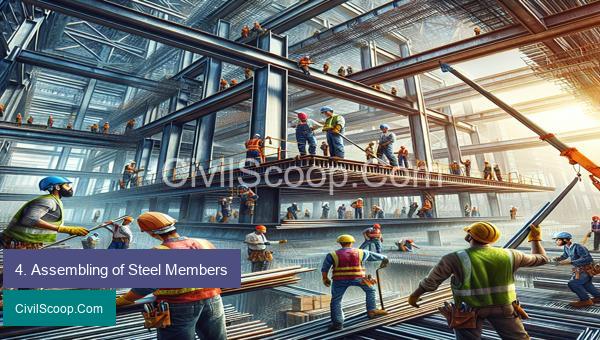
Assembling of steel members is a crucial aspect in the construction process of any structure, whether it be a building, bridge, or industrial facility. It involves the joining of individual steel components to form a complete structural framework.
There are several methods of assembling steel members, each with its own advantages and disadvantages. The chosen method depends on factors such as the size and weight of the steel members, the complexity of the structure, and the availability of equipment and skilled labor.
1. Bolting:
One of the most common methods of assembling steel members is through bolting. In this method, steel members are connected using bolts and nuts, creating a strong and rigid joint. Bolting is a relatively quick and easy process, and it does not require specialized skills or equipment. However, it is not suitable for structures that are subjected to high levels of tension or compression.
2. Welding:
Welding is another popular method of assembling steel members. It involves melting two steel surfaces and then allowing them to cool and fuse together, creating a joint that is as strong as the base metal. Welding is widely used in structures where a high level of strength and rigidity is required, such as in bridges and high-rise buildings. It also provides a visually appealing finish, as the welded joint can be smoothed and painted to blend in with the rest of the structure. However, welding requires skilled labor and specialized equipment, making it a more expensive method compared to bolting.
3. Riveting:
Riveting is an older method of assembling steel members that has been largely replaced by welding. It involves the use of rivets, which are small steel pins with a formed head on one end. The rivets are heated and hammered into holes in the steel members, creating a joint that is strong and durable. Riveting also allows for disassembly and reassembly of steel members, making it suitable for structures that require frequent modifications. However, riveting is a time-consuming process and requires specialized tools and skilled labor.
4. Adhesive bonding:
With the advancement in technology, adhesive bonding has become a widely used method of assembling steel members. It involves the use of high-strength adhesives to bond steel components together, creating a joint that is as strong as or even stronger than traditional methods like welding. Adhesive bonding offers several advantages, such as being able to join dissimilar metals and providing corrosion protection to the joint. It also eliminates the need for heat, making it a more environmentally friendly option. However, it requires precise surface preparation and specialized adhesives, making it a more complex and expensive method compared to others.
In conclusion, the assembling of steel members is an essential step in construction and requires careful consideration of various factors to determine the most suitable method. Properly assembled steel members not only provide structural integrity but also contribute to the overall aesthetic and functionality of the completed structure. Therefore, it is crucial to choose the appropriate method and ensure proper execution to achieve a safe and efficient construction project.
5. Erection of welded steel Members
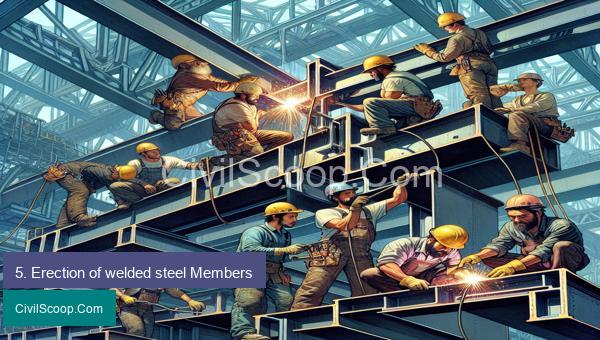
Erection of welded steel members is a critical aspect of the construction process in civil engineering. This process involves lifting and placing welded steel components in their designated positions to create a structural framework for a building or structure. The successful erection of welded steel members requires careful planning, skilled labor, and adherence to safety protocols.
Here are five key steps involved in the erection of welded steel members:
1. Planning and Preparation
The first step in the erection process is planning and preparation. This includes identifying the specific steel members needed, determining the location and sequence of erection, and conducting a site survey to assess the terrain and access points for cranes or other lifting equipment. Detailed drawings and calculations are also prepared to ensure proper alignment and stability of the structure.
2. Lifting and Transportation
Once the planning process is complete, the steel members are transported to the construction site and prepared for lifting. This involves attaching lifting equipment, such as cranes or hoists, to the steel members securely. Special precautions are taken to ensure that the lifting equipment can safely handle the weight of the steel members and that they are guided into place correctly.
3. Placing and Aligning Steel Members
The next step is to place the steel members in their designated positions. This is done with the help of the lifting equipment guided by skilled workers. The placement and alignment of the members must be precise to ensure that the structure is stable and can bear the weight it is designed for. Any adjustments necessary are made at this stage to achieve the desired alignment.
4. Welding and Bolting
Once the steel members are in place, they are temporarily secured using bolts, clamps, or welding. This allows for proper alignment and adjustment before the final welding process takes place. Welding plays a critical role in connecting the steel members and making them structurally sound. Skilled welders use specialized welding techniques to join the steel members securely.
5. Quality Control and Safety Checks
After the welding and bolting process, a thorough quality control check is carried out to ensure that all connections are secure and meet the requirements. Dead load weight, live load weight, and wind load are also checked to ensure the structure can bear the expected loads. Safety checks are also conducted to ensure that all workers are following safety protocols and that the structure is safe for use.
In conclusion, the erection of welded steel members is a crucial process that requires careful planning, skilled labor, and adherence to safety protocols. It is a fundamental part of the construction of buildings and other structures and plays a significant role in their stability and durability. Civil engineers play a crucial role in overseeing this process and ensuring that it is carried out with precision and efficiency.
Conclusion
In conclusion, electric arc welding is an essential process in the fabrication and construction of steel structures. It offers numerous benefits such as high strength, durability, and cost-effectiveness. However, to achieve successful welds, proper training and equipment, as well as strict safety measures, must be followed. By understanding the principles and techniques of electric arc welding, we can ensure the structural integrity and longevity of steel structures. With continued advancements in technology, electric arc welding will remain a crucial method in the production of strong and reliable steel structures for years to come.