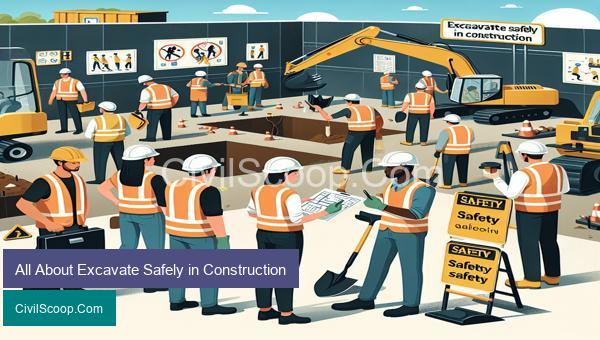
Excavation is a crucial process in the construction industry as it involves digging and moving large amounts of earth, rock, or other materials to create a stable foundation for buildings, roads, and other structures. While this may seem like a routine task, it comes with significant risks to the workers involved and the surrounding environment. Accidents and injuries can occur if proper safety measures are not followed, making it essential to have a thorough understanding of how to excavate safely in construction. In this article, we will delve into all aspects of excavation safety, including common hazards, preventive measures, and best practices to ensure a safe and successful excavation project. Whether you are a construction worker, supervisor, or project manager, this article will provide valuable insights to help
Table of Contents
How to Excavate Safely in Construction?
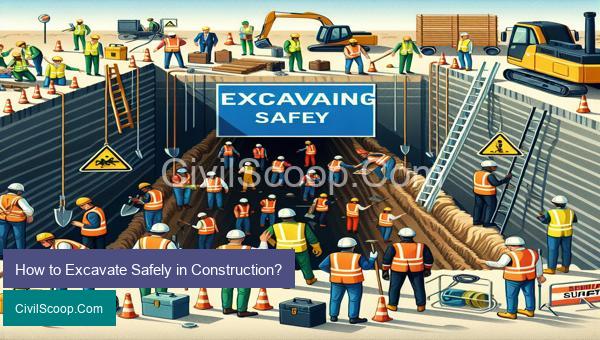
Excavation is a common construction process used for a variety of purposes such as building foundations, road construction, and utility installations. However, it can also be a hazardous operation if proper safety measures are not followed. As a civil engineer, it is essential to understand and implement safe excavation practices to prevent accidents and ensure the safety of workers and the surrounding environment. In this article, we will discuss how to excavate safely in construction.
1. Obtain necessary permits and documentation
Before beginning any excavation work, it is crucial to obtain all the necessary permits and documentation from the local authorities. This includes obtaining utility drawings, soil reports, and any other relevant information to ensure that there are no underground utilities or obstacles that could result in accidents.
2. Conduct a site assessment
Before starting excavation, a thorough site assessment should be conducted to identify potential hazards such as unstable soil, underground utilities, or nearby structures. This assessment will help determine the appropriate excavation methods and equipment needed for the job and identify any safety precautions that need to be taken.
3. Use proper personal protective equipment (PPE)
All workers involved in excavation work must wear appropriate PPE at all times. This includes hard hats, high-visibility clothing, steel-toed boots, and safety glasses. They should also wear respirators if the excavation involves dusty or toxic materials.
4. Ensure the stability of the excavation site
One of the most critical aspects of safe excavation is ensuring the stability of the site. This includes using shoring, shielding, and sloping techniques to prevent soil collapse. The type of soil and depth of the excavation will determine the appropriate method to use. It is crucial to constantly inspect the site and make necessary adjustments as the excavation progresses.
5. Use proper equipment and trained operators
Excavation equipment, such as excavators and backhoes, should only be operated by trained and experienced operators. Before starting any excavation work, ensure that the equipment is in good condition and all safety features are working correctly. It is also essential to follow the manufacturer’s instructions and all safety guidelines while operating the equipment.
6. Provide adequate lighting and ventilation
Excavation sites can be dark and cramped, making it essential to provide adequate lighting and ventilation to ensure the safety of workers. Proper lighting will help workers see potential hazards and avoid accidents, while proper ventilation will prevent the buildup of hazardous gases and improve air quality.
7. Establish communication methods
Excavation sites can be noisy, making it difficult for workers to communicate effectively. It is crucial to establish communication methods, such as hand signals or two-way radios, to ensure that workers can communicate with each other and the equipment operator.
8. Implement a traffic management plan
If excavation is being done near a road or a busy area, a traffic management plan should be in place to protect workers and the public. This can include traffic barriers, signs, and designated walkways for workers.
9. Have an emergency plan in place
Despite taking all the necessary precautions, accidents can still happen. It is crucial to have an emergency plan in place to handle any unexpected situations. This should include procedures for evacuation, medical emergencies, and rescue operations.
In conclusion, safe excavation is crucial in construction to prevent accidents and protect the workers and the surrounding environment. As a civil engineer, it is your responsibility to implement and enforce these safety measures on excavation sites. By following these guidelines, you can ensure a safe and successful excavation project.
Tips for Safe Excavation at Construction Site
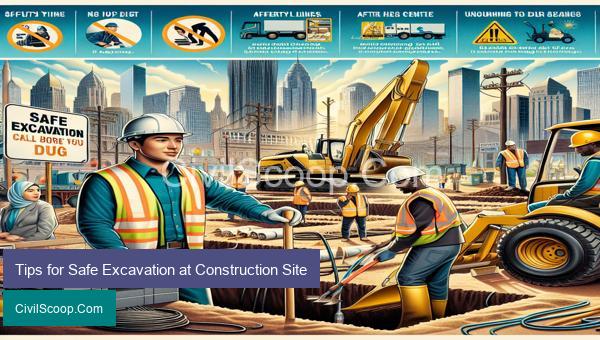
Excavation is a critical process in construction, and it involves the removal of soil and other materials to create space for the construction of foundations, basements, and underground utilities. While excavation is an essential aspect of construction, it also poses significant risks to workers and the surrounding environment. Therefore, it is crucial to ensure safe excavation practices at construction sites. Here are some tips for safe excavation at construction sites:
1. Conduct a Site Inspection: Before starting any excavation work, it is essential to conduct a thorough site inspection. It will help you identify potential hazards, such as underground utilities, unstable soil conditions, and nearby structures. This information will guide you in developing a safe and efficient excavation plan.
2. Use Proper Equipment: The use of proper equipment is vital for safe excavation. Excavators, backhoes, and other heavy machinery must be in good working condition and operated by trained workers. The use of outdated or malfunctioning equipment can result in accidents and injuries.
3. Call for Utility Marking: Before starting excavation, you must call for utility marking services. This will ensure that underground utilities, such as gas, water, and electricity lines, are located and marked to prevent accidental damage during excavation work.
4. Provide Adequate Shoring: Shoring is the process of supporting the sides of an excavation to prevent cave-ins and protect workers. Depending on the soil conditions and depth of excavation, different shoring methods may be required. It is crucial to provide adequate shoring to ensure the safety of workers.
5. Train Workers on Safe Practices: Excavation workers must receive proper training on safety protocols and procedures. They should be familiar with the type of excavation equipment being used, the potential hazards of working in an excavation site, and emergency procedures in case of accidents.
6. Wear Appropriate Personal Protective Equipment (PPE): Workers must wear appropriate PPE, such as hard hats, steel-toed boots, high-visibility vests, and safety glasses, when working in an excavation site. These PPE items help protect workers from falling objects, flying debris, and other hazards.
7. Monitor Weather Conditions: Adverse weather conditions, such as heavy rainfall or strong winds, can cause soil destabilization, making excavation work more hazardous. It is essential to monitor weather conditions and halt excavation work if necessary.
8. Assign a Competent Supervisor: A competent supervisor must be present at the excavation site at all times. They should have the necessary skills and knowledge to identify potential hazards, implement safety measures, and respond to emergencies.
9. Follow OSHA Regulations: The Occupational Safety and Health Administration (OSHA) has specific regulations for excavation work to ensure the safety of workers. It is essential to follow these regulations and implement safety measures outlined by OSHA at all times.
10. Have an Emergency Plan: In the event of an accident or emergency at the excavation site, it is crucial to have a well-defined emergency plan in place. Workers should be trained on the procedures to follow in case of an emergency, and first aid supplies and emergency contact numbers should be readily available.
In conclusion, safe excavation practices are crucial to prevent accidents, injuries, and damage to the surrounding environment at construction sites. By following these tips, civil engineers and contractors can ensure safe excavation operations and promote a safe working environment for all workers involved in the process.
Conclusion
In summary, excavating safely is of utmost importance in the construction industry to ensure the protection of workers and the completion of projects without any harm or accidents. We have discussed the various hazards involved in excavation, as well as the necessary precautions and guidelines that must be followed to ensure safe excavating practices. It is crucial for employers to train their workers and implement proper safety protocols on job sites to prevent injuries, fatalities, and property damage. As construction projects continue to grow in complexity and scale, it is vital to prioritize safety and risk management in all aspects of the excavation process. By following these safety measures and working collaboratively, we can create a culture of safety in the construction industry and protect the well-being of all individuals involved in the excavation process