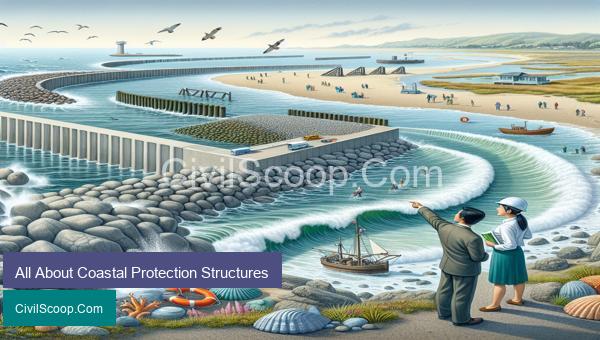
Coastal protection structures play a crucial role in safeguarding our shorelines from natural forces such as erosions and storms. These structures come in various forms and designs, each serving a specific purpose to protect coastal communities and infrastructure. From seawalls to breakwaters, these engineering marvels are vital in maintaining the balance between economic development and environmental preservation. In this article, we will delve into the world of coastal protection structures, their types, functions, and effectiveness in preserving our coastlines. So, let us explore all about coastal protection structures and understand the important role they play in protecting our shores.
Table of Contents
Types of Coastal Protection Structures
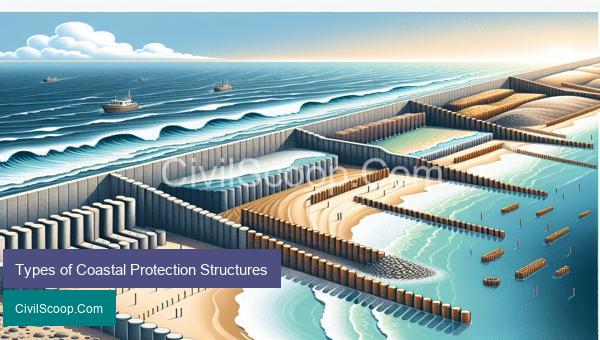
Coastal areas are constantly exposed to the forces of tides, waves, and currents. As a result, these areas are prone to erosion and flooding, which can cause damage to infrastructure and negatively impact the environment. Coastal protection structures are designed to minimize these risks and provide stable and safe coastlines. Here are the main types of coastal protection structures.
1. Seawalls
Seawalls are long walls built parallel to the shore in order to protect the land from erosion and flooding. They are usually constructed with concrete, stone, or steel materials. Seawalls are effective in reducing the energy of waves by reflecting them back to the sea. They are commonly used in urban areas with high population and economic value.
2. Breakwaters
Breakwaters are structures built offshore to protect the shore from waves. They are usually made of rock or concrete and form a barrier that reduces the strength of large waves before they reach the shore. Breakwaters can also create sheltered areas behind them, called harbors, for boats to anchor safely.
3. Groynes
Groynes are structures built perpendicular to the shoreline to trap sediment and prevent erosion. They work by trapping sand and sediment carried by currents, thus replenishing the beach. Groynes are commonly used in areas where there is a lot of longshore drift, which is the movement of sand and sediment along the coast.
4. Revetments
Revetments are sloping structures made of concrete, steel, or timber, built to protect the shore from erosion caused by the action of waves. They absorb the energy of waves, reducing erosion and maintaining a stable shoreline. Revetments are particularly effective in areas with high-energy waves, such as coastlines exposed to strong winds.
5. Dikes
Dikes, also known as levees, are embankments built along the coast to protect low-lying land from flooding due to storm surges or tidal waves. They are usually built with sand or soil, and their height and width are designed to withstand the maximum water level expected during a storm. Dikes are commonly used in areas where coastal flooding poses a significant risk.
6. Beach Nourishment
Beach nourishment is a coastal protection technique that involves adding sediment or sand to a beach to widen it or to create a new one. This method is used to counteract the effects of erosion and maintain a healthy beach ecosystem. Beach nourishment is also an effective way to reduce wave energy and protect seawalls and other structures.
7. Mangrove Plantations
Mangroves are important coastal protection structures that occur naturally in tropical and subtropical regions. They act as a buffer against waves, reduce erosion, and protect the shoreline from storm surge and floods. Mangrove plantations are also essential for coastal ecosystem protection, as they provide habitats for various species of plants and animals.
In conclusion, coastal protection structures play a vital role in safeguarding our coastlines and the communities living in the coastal areas. The right type of structure should be carefully selected based on the specific coastal conditions and the intended purpose. A comprehensive understanding of coastal processes and the environment is necessary to design and implement effective coastal protection measures.
Conclusion
In conclusion, coastal protection structures play a vital role in safeguarding our shorelines from the destructive forces of nature. These structures not only protect coastlines from erosion and flooding, but they also provide habitats for various marine life and contribute to the overall health of coastal ecosystems. However, as with any man-made structure, careful planning and proper maintenance are crucial to ensure their effectiveness and longevity. It is also essential to consider the potential environmental impacts of building coastal protection structures and to explore alternative methods of shoreline management that can work in harmony with nature. By understanding the importance of coastal protection structures and implementing responsible practices, we can help to preserve and protect our beautiful coastlines for future generations.