
Strip seal expansion joints are an essential component in the construction of bridges, highways, and other structures. These joints allow for the safe and smooth movement of various parts of a structure, while also accommodating the effects of temperature changes, seismic activity, and other external factors. In this article, we will delve into the details of strip seal expansion joints - their design, installation, and maintenance - to provide a comprehensive understanding of this crucial element in modern construction. Whether you are a builder, engineer, or simply someone interested in the construction industry, this article will give you an in-depth look into all aspects of strip seal expansion joints. So, let’s dive in and learn all about install strip seal expansion joint.
Table of Contents
How to Install Strip Seal Expansion Joint?
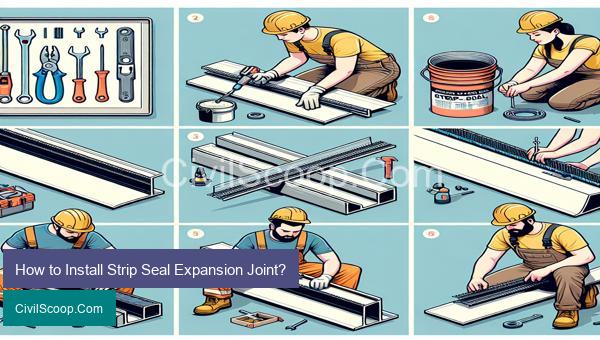
Strip seal expansion joints are an important component in the construction of roads, bridges, and other structures that experience movement and displacement due to changes in temperature, traffic loads, and settling of the ground. These joints allow for the safe transfer of shear forces and accommodate movement while maintaining the integrity and functionality of the structure. In this article, we will discuss the steps involved in installing strip seal expansion joints.
Step 1: Conduct Site Inspection
Before installing a strip seal expansion joint, it is essential to conduct a thorough site inspection to assess the existing conditions and identify any obstacles or challenges. This includes checking the dimensions and layout of the joint, as well as the surface condition and slope of the structure. It is also crucial to identify the type of joint required for the specific application.
Step 2: Prepare the Surface
The surface where the joint will be installed must be clean, dry, and free of any debris or contaminants. Any existing joint material or sealant must be removed using appropriate tools. The surface should also be level and smooth to ensure proper installation of the joint.
Step 3: Cut the Joint Systems to Appropriate Lengths
The strip seal expansion joint systems are supplied in standard lengths, and if required, they can be cut to size using a suitable cutting tool. It is essential to use sharp and clean tools to avoid any damage to the joint systems.
Step 4: Place and Secure the Joint Systems
The prepared expansion joint systems are then placed in the designated gap and positioned to ensure that the joint systems have a snug and tight fit. Once in place, the joint systems are secured using expansion joint anchors or dowels. These anchors help to prevent the joint from moving during the pouring of the concrete slab.
Step 5: Apply Sealant
After the joint systems are secured, the sealant is applied to the edges of the joint to provide a watertight seal. It is crucial to use the recommended sealant to ensure proper adhesion and durability. Any excess sealant should be removed, and the joints should be smoothed and leveled.
Step 6: Pour Concrete
Once the joint systems are in place and the sealant has been applied and cured, the concrete can be poured around and over the joints. Care must be taken to ensure that the correct concrete type, mix, and placement are used to avoid any issues with the joint in the future.
Step 7: Finish the Joint Surface
After the concrete has cured, the surface of the joint can be finished using a trowel or other appropriate tool. It is essential to ensure that the concrete surface is smooth and flush with the joint to prevent any obstruction to traffic or water flow.
Step 8: Conduct Quality Control Checks
After the installation of the strip seal expansion joint, it is essential to conduct quality control checks to ensure that the joint has been installed correctly and meets all necessary standards and specifications. This includes conducting visual inspections, testing the joint for water-tightness, and performing load tests.
In conclusion, the correct installation of strip seal expansion joints is crucial to ensure the proper functioning and durability of a structure. By following the above steps and using the recommended materials and techniques, civil engineers can effectively install strip seal expansion joints and help to ensure the safety and longevity of our infrastructure.
Components of Strip Seal Expansion Joint
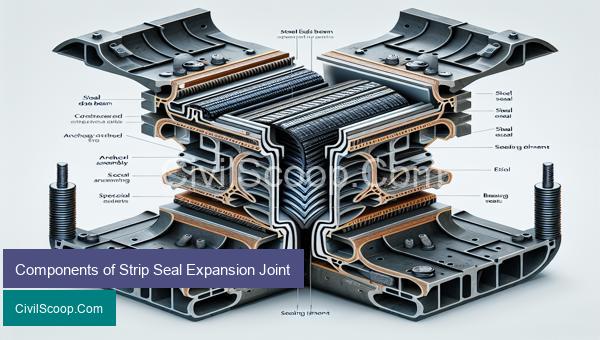
Strip seal expansion joints are an essential component in any bridge or structure that requires flexibility to tolerate movements caused by thermal expansion, traffic loads, and seismic events. These joints are designed to accommodate movements along the length of a structure, while still maintaining the integrity of the structure. It consists of various components that work together to provide a smooth and safe transition and movement capability to the structure. Here are the main components of a strip seal expansion joint:
1. Steel Edge Beams:
Steel edge beams are the main structural components of strip seal expansion joints and run parallel along the length of the joint on either side. They are designed to support the weight of the structure and transfer the load to the substructure. The edge beams also provide a guide for the movement of the seal and protect it from damage. They are typically made of high-quality steel to ensure strength and durability.
2. Steel Reset Bars:
Reset bars are small steel bars that run perpendicular to the edge beams and are embedded in the bridge deck. These bars help in locking the seal in place while allowing for horizontal movement. They also provide support to the bridge deck and help to distribute the load evenly.
3. Strip Seal:
The strip seal, also known as the gland or cover plate, is the most critical component of the expansion joint. It is made of a flexible elastomeric material that can withstand heavy loads, varying temperatures, and weathering. The strip seal works by compressing and expanding according to the movement of the joint, providing a water-tight barrier that prevents water and debris from entering the joint. It also reduces noise and vibration caused by traffic.
4. Transverse Shims:
Transverse shims, also called spacer bars, are used to keep the two strip seals at a fixed distance, ensuring that they do not fall out of place during movement. They also provide support to the seals and help in distributing the load to the adjoining structural components.
5. Anchoring System:
Anchors are used to hold the strip seal firmly in place and to prevent it from being dislodged during movement. They are typically made of steel and are attached to the concrete deck at regular intervals. The number and spacing of anchors depend on the width and length of the joint and the anticipated movements.
6. Load Transfer System:
Load transfer systems are used to prevent the transfer of vertical loads from one structural element to the other. They consist of special materials or devices that can absorb the stress caused by the movement of the structure. The load transfer system also helps in maintaining the level and smoothness of the bridge deck.
In conclusion, all the components of a strip seal expansion joint work together to provide a reliable and durable solution for accommodating movement in structures. Regular maintenance and inspection of these components are crucial to ensure the proper functioning of the expansion joint and the safety of the structure. Faulty or damaged components should be immediately repaired or replaced to avoid any potential risks.
PreInstallation of Strip Seal
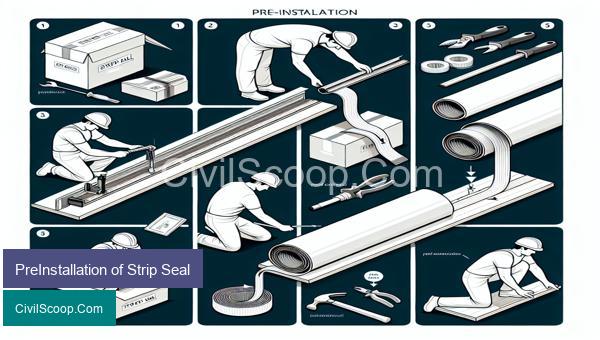
Strip seal is a type of expansion joint system commonly used in civil engineering projects such as bridges, highways, and airport runways. It is designed to allow for the movement of large structures caused by changes in temperature, traffic load, and settlement.
Pre-installation of strip seal is the process of preparing the joint before the actual installation of the sealing system. It is a crucial step in the construction process as it ensures the proper functioning of the joint and prevents any future issues or damages.
The following are some key steps in the pre-installation of strip seal:
1. Surface preparation: Before installing the strip seal, the surfaces on either side of the joint need to be cleaned and leveled. Any debris, oil, or grease must be removed to ensure a proper bond between the seal and the joint.
2. Layout: The layout of the joint must be carefully planned, taking into consideration factors such as expected movement, traffic load, and environmental conditions. The location and width of the joint should be clearly marked on the surface to guide the installation process.
3. Installation of anchors: The strip seal system is anchored to the structure on both sides of the joint. Anchors are either welded or bolted into place, and their number and location depend on the width and expected movement of the joint.
4. Installation of backer rods: Backer rods are inserted into the joint to provide a support structure for the strip seal. They also prevent the sealant from adhering to the bottom of the joint, which can cause damage during movement.
5. Insertion of foam dams: Foam dams are installed on both sides of the joint to create a cavity for the sealant. They also prevent the sealant from flowing out of the joint and help in achieving the desired sealant depth.
6. Installation of the sealant: The sealant is applied into the joint using a heated melter applicator. The type of sealant used depends on the type of structure, expected movement, and climatic conditions. The sealant must be heated to the recommended temperature and applied in a continuous and consistent manner.
7. Curing: After the sealant is installed, it needs time to cure and reach its full strength. The curing time varies depending on the type of sealant, but it usually takes at least 24 hours.
The pre-installation of strip seal is a critical aspect of the construction process that requires careful planning and execution. Any mistakes or negligence during this stage can lead to failures or costly repairs in the future. Hiring an experienced and qualified contractor is essential to ensure a successful and long-lasting strip seal installation.
Handling and Transport of Strip Seal Expansion Joint

Strip seal expansion joints are devices used in civil engineering projects to allow for the natural movement and expansion of structures such as bridges, roads, and buildings. These joints consist of a rubber seal and metal plates secured by bolts, which are placed between adjacent sections of a structure. They help to accommodate temperature changes, shrinkage, and other forms of movement, thereby preventing damage to the structure.
Once the strip seal expansion joint is installed, it is crucial to handle and transport it with care to ensure its performance and longevity. Here are some important factors to consider:
1. Proper Storage: The strip seal expansion joints should be kept in a dry and clean place, shielded from moisture, dust, and direct sunlight. Stacking them flat and avoiding heavy loading on top can help prevent damage to the joints.
2. Lifting and Handling: It is essential to use the correct lifting equipment to handle the strip seal expansion joints. The joints should be lifted from the metal plates and not the rubber seals to avoid any damage.
3. Protecting the Rubber Seals: The rubber seals of the strip seal expansion joints are the most critical element, and they must be handled with care. Sharp objects, such as hooks and nails, should be avoided to prevent puncturing. The joints should also be protected from crushing or bending during handling and transportation.
4. Securing the Joints during Transport: It is vital to fasten and secure the strip seal expansion joints to prevent any movement during transportation. This can be achieved by using straps or chains to tie the joints firmly in place.
5. Avoid Excessive Bending: During transport, it is essential to avoid excessive bending of the metal plates and rubber seals. This can cause deformations that can compromise the performance of the joints.
6. Use Suitable Vehicles: The strip seal expansion joints should be transported using vehicles with flat, even surfaces. The joints should be placed horizontally and not on an angle to avoid any twisting or bending.
7. Unloading and Installation: When unloading the strip seal expansion joints, it is crucial to use appropriate equipment to lower them gently onto the installation area. The joints should be placed with care to avoid damaging the metal plates or rubber seals.
8. Protect from Contamination: During installation, it is essential to protect the rubber seals from any oil, grease, or fuel spills, which can cause swelling or deterioration of the rubber.
In summary, proper handling and transportation of strip seal expansion joints are critical for their successful installation and performance. It is essential to follow the manufacturer’s instructions and take all necessary precautions to protect the joints from damage during storage, lifting, and transportation. By doing so, we can ensure the longevity and effectiveness of these important devices in civil engineering projects.
Installation of Strip Seal Expansion Joint

Strip seal expansion joints are a type of structural system used to accommodate the movement of bridge structures due to temperature changes, seismic activities, and other external factors. They are designed to provide a watertight seal between the bridge decks and the approach slabs while allowing for the necessary movement between them.
The installation process of strip seal expansion joints is a critical aspect of bridge construction as proper installation is crucial for the functionality and longevity of the joint system. This article will discuss the various steps involved in the installation of strip seal expansion joints.
1. Preparation of the Bridge Deck:
The first step in the installation process of strip seal expansion joints is the preparation of the bridge deck. The surface should be thoroughly cleaned and free of any debris or loose materials. The surface should also be inspected for any cracks or damage that may hinder the proper installation of the joint.
2. Placing of the Edge Beams:
The next step is to place the edge beams on either side of the joint opening. These beams act as support for the joint and prevent the debris from entering the joint opening.
3. Positioning of the Strip Seal:
After the edge beams are in place, the strip seal is installed. The strip seal is a metal extrusion with two sealing surfaces and an internal cavity that allows for the movement of the bridge structure. It is installed on top of the edge beams and runs the entire length of the joint opening.
4. Placing of the Closure Bars:
Closure bars are then placed on top of the strip seal to secure it in place. These bars are typically made of galvanized steel and are bolted on both ends to hold the seal in place.
5. Attaching the Anchor Bars:
Once the strip seal is secured in place, anchor bars are attached to both ends of the strip seal. These bars provide the necessary restraint for the movement of the bridge.
6. Pouring of Concrete:
Once the strip seal and anchor bars are in place, the remaining voids between the strip seal and the edge beams are filled with concrete. This helps to protect the seal from damage and provides additional support to the joint.
7. Finishing Touches:
After the concrete has set, any excess material is removed, and the seal is tested for its functionality and watertightness. The road surface is then reinstated, and markings are added to indicate the location of the joint.
In conclusion, the installation of strip seal expansion joints is a critical process in the construction of bridges that requires specialized equipment, technical expertise, and attention to detail. Improper installation can lead to the failure of the joint, compromising the integrity and safety of the bridge. Therefore, it is essential to hire experienced professionals to ensure the proper installation of strip seal expansion joints.
Conclusion
In conclusion, strip seal expansion joints are an essential component in infrastructure projects, providing flexibility and durability in large structures such as bridges and highways. Understanding the properties and installation process of strip seal expansion joints is crucial in ensuring their proper function and longevity. With advancements in technology and materials, these joints continue to improve, making them a reliable and cost-effective solution for accommodating movement in structures. By following proper installation procedures and regular maintenance, strip seal expansion joints can successfully contribute to the safety and functionality of our built environment.