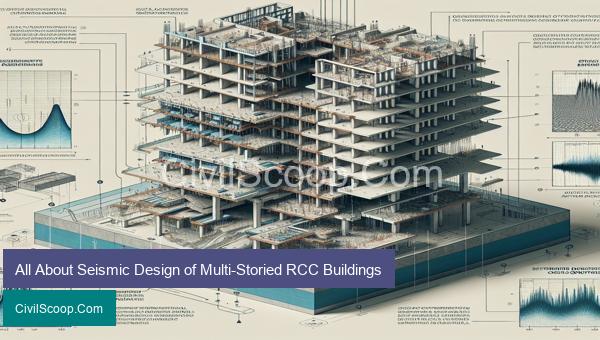
Seismic design is a critical aspect of constructing multi-storied buildings to ensure their safety and structural integrity during earthquakes. With the increasing frequency and intensity of seismic activity around the world, it has become more crucial than ever to understand the principles and techniques of seismic design for multi-storied buildings, specifically those made of reinforced concrete (RCC). In this article, we will explore the key factors involved in the seismic design of multi-storied RCC buildings, including the design codes and standards, structural analysis methods, and reinforcement measures. By understanding the fundamentals of seismic design, we can help create resilient and earthquake-resistant buildings that can withstand the destructive forces of nature.
Table of Contents
Seismic Design of Multi-Storied RCC Buildings
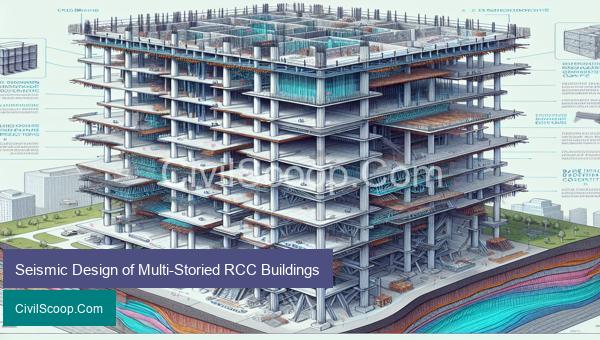
Seismic design is an important aspect of designing multi-storied RCC (Reinforced Concrete) buildings. As the name suggests, seismic design refers to the design of structures to withstand earthquakes and other seismic activities. This is crucial in regions that are prone to earthquakes, as buildings need to be designed in a way that can resist the forces and ensure the safety of the occupants.
Key Considerations for Seismic Design of Multi-Storied RCC Buildings:
1. Understanding the Seismic Zone: Before the design process begins, it is crucial to understand the seismic zone in which the building is located. The building codes and guidelines vary according to the level of seismicity in a particular region.
2. Soil Investigation: Soil type and properties play a crucial role in the seismic design of a multi-storied RCC building. A detailed soil investigation is done to determine the soil’s suitability to withstand seismic forces and its bearing capacity.
3. Seismic Forces and Resisting System: Seismic forces include lateral forces such as horizontal and vertical forces and ground motion. The primary goal of seismic design is to minimize the effects of these forces on the building. A suitable seismic resisting system, such as shear walls, braced frames, or moment frames, is designed to transfer the forces to the ground and keep the building stable during seismic activity.
4. Damping Devices: Damping devices such as base isolators, dampers, and energy dissipation systems can be incorporated in the design to reduce the building’s response to seismic forces. These devices help in dissipating the seismic energy and protecting the building’s structural components.
5. Quality of Materials and Construction: The quality of materials used in the construction of the building is crucial in seismic design. The strength and durability of concrete and reinforcement bars, as well as the proper construction techniques, will ensure the building’s stability during an earthquake.
6. Structural Regularity: Irregularities in the building’s structural configuration can lead to a non-uniform distribution of seismic forces, making the building vulnerable to damage. A regular structural layout with proper symmetry and distribution of stiffness and strength is important in seismic design.
7. Vertical and Lateral Loads: Apart from the seismic forces, the building also needs to be designed to withstand vertical and lateral loads. Vertical loads are transferred from the superstructure to the foundation, while lateral loads arise due to wind or uneven settlement of the foundation.
8. Earthquake Resistant Design Features: Building codes specify several design features that make the building earthquake-resistant, such as proper reinforcement detailing, adequate spacing, and anchoring of structural components. These features help in reducing the building’s vulnerability to earthquakes and increase its overall stability.
In conclusion, the seismic design of multi-storied RCC buildings involves a detailed understanding of the site and its seismicity, proper selection of construction materials and techniques, and a suitable seismic resisting system. It is crucial to follow the building codes and guidelines while designing these structures to ensure their safety during an earthquake. Proper seismic design not only ensures the safety of the occupants but also reduces the amount of structural damage and aids in the building’s quick recovery.
Conclusion
In conclusion, seismic design is a crucial aspect of constructing multi-storied RCC buildings in earthquake-prone regions. Through careful analysis and calculation, engineers can design structures that can withstand the forces of earthquakes and protect the lives of occupants. From understanding the principles of seismic design and implementing proper structural techniques, to utilizing the expertise of specialized engineers and keeping up with ever-evolving building codes, there are many factors to consider when it comes to ensuring the structural safety of these buildings. With advancements in technology, research, and building materials, the field of seismic design continues to evolve and improve, ultimately leading to stronger and safer structures for future generations. It is imperative for construction professionals to stay updated and knowledgeable about all aspects of seismic design in order to create