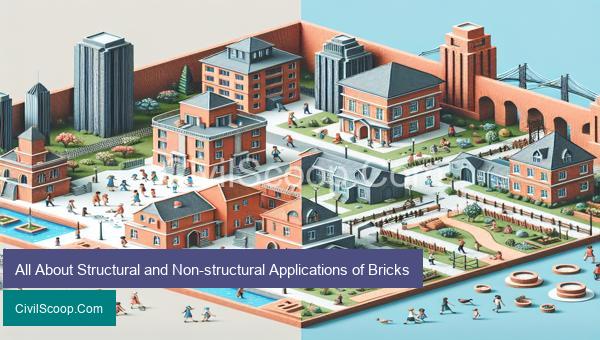
Bricks have been used as a building material for centuries and continue to be a popular choice in construction due to their durability and versatility. From traditional structures such as houses and buildings to more modern and innovative designs, bricks have proven to be a reliable and efficient option. However, bricks are not only limited to structural applications and have also found use in non-structural purposes. In this article, we will dive into the world of bricks and explore the different ways in which they are utilized, both in traditional and non-traditional applications. By understanding the various uses of bricks, we can better appreciate the role they play in the world of construction and beyond.
Table of Contents
10 Structural and Non-structural Applications of Bricks
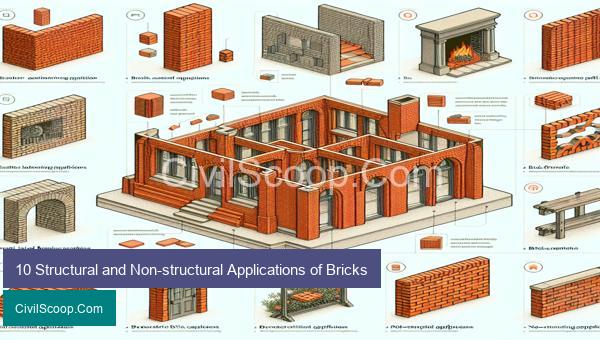
1. Load-bearing walls: One of the most common structural applications of bricks is in load-bearing walls. Bricks are stacked and mortared together to create a sturdy and durable structure that can withstand the weight of the building.
2. Foundations: Bricks are also commonly used in building foundations to provide a strong and stable base for the structure. They are laid in courses, creating a solid and level support for the walls and floors above.
3. Retaining walls: Bricks are often used in the construction of retaining walls, which are designed to hold back soil and prevent erosion. Bricks provide a strong and stable barrier that can withstand the pressure of the soil behind it.
4. Arches and vaults: The strength and versatility of bricks make them suitable for creating architectural features such as arches and vaults. These design elements add structural integrity to a building while also enhancing its aesthetic appeal.
5. Chimneys: Bricks are the preferred material for building chimneys due to their fire-resistant properties. The thick walls of a brick chimney can withstand high temperatures and provide a safe passage for smoke and gases.
6. Paving: Bricks are commonly used in the construction of pavements and pathways. When laid in a pattern, bricks can create a durable and attractive surface that can withstand heavy foot traffic.
7. Fireplaces: Just like chimneys, fireplaces are also typically built using bricks because of their ability to withstand high temperatures. The dense and heat-resistant properties of bricks make them the perfect material for containing heat and preventing fire hazards.
8. Soundproofing: The density of bricks makes them an effective sound insulator. Bricks can be used in walls and floors to reduce noise transmission, making them suitable for sound-sensitive areas like recording studios or bedrooms.
9. Decorative elements: Bricks can also serve as non-structural elements in a building, adding visual interest and texture to the design. These decorative bricks can be used on facades, accent walls, or as part of a feature wall.
10. Landscaping: Bricks can also be used in various landscaping applications such as building garden walls, raised planters, or edging for flower beds. They add a touch of elegance and structure to outdoor spaces while also providing functionality.
Conclusion
In conclusion, bricks have been an integral part of construction for centuries, providing strength and durability to various structures. With the advancements in technology and construction techniques, bricks are now being used in both structural and non-structural applications. While structural applications require bricks to bear loads and provide support, non-structural applications focus on aesthetics and decorative purposes. However, with proper design and installation, bricks can serve both purposes effectively. It is important to understand the properties and characteristics of bricks before using them in any application. This will ensure the safety and longevity of the structures built with bricks. As a versatile and sustainable building material, bricks will continue to play a significant role in the construction industry for years to come.