Table of Contents
All about Vaulted Ceilings
Vaulted ceilings have been a popular architectural feature for centuries, dating back to the grand cathedrals and castles of medieval times. Today, vaulted ceilings continue to be a sought-after design element in homes and buildings, adding a sense of grandeur and openness to any space. But what exactly are vaulted ceilings and why are they so desirable? In this article, we will delve into the history, construction, and design possibilities of vaulted ceilings, and explore the many benefits and considerations of incorporating this stunning architectural element into your own space. Whether you are a homeowner, designer, or simply someone with a passion for architecture, join us as we unravel the mysteries of vaulted ceilings and discover all there is to know about this timeless
Types of Vaulted Ceilings
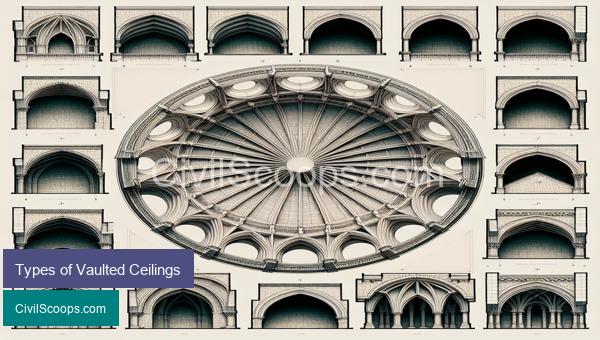
Vaulted ceilings are popular architectural features in civil engineering that add height, volume, and character to a building’s interior. These ceilings can be found in various structures, such as residential homes, churches, and commercial buildings, and they come in different shapes and styles. Here are some of the most common types of vaulted ceilings used in civil engineering:
1. Barrel Vault Ceiling
Barrel vault ceilings are also known as tunnel vault or wagon vault. They consist of a series of arches placed parallel to each other, forming a continuous curved ceiling. This type of vaulted ceiling is commonly used in hallways, passageways, and tunnels.
2. Groin Vault Ceiling
Groin vault ceilings are formed by the intersection of two barrel vaults at right angles. This creates a series of arched panels that resemble the ribs of a human skeleton. This type of vaulted ceiling is often used in large spaces, such as cathedrals, to distribute the weight of the ceiling and provide structural stability.
3. Dome Vault Ceiling
As the name suggests, dome vault ceilings have a hemispherical shape. They are often used in religious and public buildings, such as mosques and government structures, to create a sense of grandeur and awe. These ceilings are also used in residential homes to create a focal point in a room.
4. Cloister Vault Ceiling
Cloister vault ceilings are formed by the intersection of two barrel vaults that meet at right angles and a third barrel vault that runs perpendicular to them. This type of ceiling is commonly used in cloisters, which are covered walkways located in monasteries and religious buildings.
5. Ribbed Vault Ceiling
Ribbed vault ceilings are characterized by a series of arched ribs that meet at the top to form a pointed arch. These ribs serve both a decorative and functional purpose by providing support for the ceiling. Ribbed vaults are often used in Gothic architecture, giving buildings such as cathedrals and castles a majestic and intricate look.
6. V-Flat Vault Ceiling
V-flat vault ceilings, also known as four-centered arches, have a sharper and steeper slope compared to other types of vaulted ceilings. They are often used in areas with limited space, such as stairwells and small rooms, to create a sense of spaciousness and height.
7. Coffer Vault Ceiling
Coffer vault ceilings have a series of recessed panels within a vaulted structure, creating a patterned and textured appearance. This type of ceiling is commonly used in public buildings, such as libraries and government offices, to add a touch of elegance and sophistication.
In conclusion, vaulted ceilings come in various styles and shapes, and each type has its own unique charm and architectural significance. As a civil engineer, it is important to consider not only the aesthetics but also the structural and functional aspects of a vaulted ceiling when designing a building.
Advantages of Vaulted Ceilings
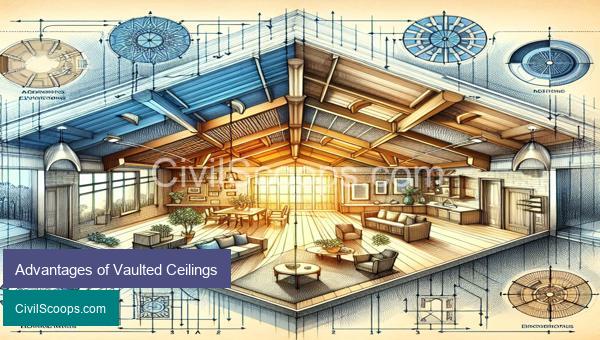
Vaulted ceilings, also known as cathedral ceilings, are architectural features that are characterized by their arched or curved shape. They have been around for centuries and were popular in ancient churches, castles, and cathedrals. However, in modern times, they have become a popular choice in residential and commercial buildings as well. Here are some advantages of vaulted ceilings from a civil engineer’s perspective:
1. Increased Height and Space: The most apparent benefit of vaulted ceilings is the increased height they provide to a room. By opening up the ceiling, the space feels larger, more spacious, and airy. This can be especially beneficial for smaller rooms where traditional flat ceilings can make the space feel cramped.
2. Enhanced Aesthetic Appeal: Vaulted ceilings add a touch of grandeur and elegance to any space. They create a visual interest and add a unique architectural feature that can make a room stand out. With their curved shape, they also soften the overall look and feel of a room, making it appear more inviting and cozy.
3. Improved Natural Lighting: With the increased height of vaulted ceilings, more natural light can enter a room. The angled design of the ceiling allows for light to be distributed evenly, eliminating dark corners and creating a brighter and more cheerful atmosphere.
4. Better Ventilation: In addition to natural light, vaulted ceilings also improve ventilation in a room. The high ceiling helps in the circulation of air, providing better ventilation and preventing the buildup of stale air. This is particularly helpful in hot and humid climates.
5. Energy-efficient: Vaulted ceilings can help in reducing heating and cooling costs. The extra height allows for better air circulation, and the use of natural light can reduce the need for artificial lighting during the day. This can result in lower energy bills in the long run.
6. Easy Maintenance: From a civil engineering perspective, vaulted ceilings can be easier to maintain compared to traditional flat ceilings. The arched design prevents the accumulation of dust and grime that can be challenging to reach and clean in flat ceilings. This can save both time and money on maintenance in the long run.
7. Design Flexibility: Vaulted ceilings offer a lot of design flexibility. They can be incorporated into different architectural styles and can be customized to fit different ceiling heights and angles. This makes them a versatile choice for both new constructions and renovations.
In conclusion, vaulted ceilings offer a range of benefits, from enhanced aesthetics to improved energy efficiency and ventilation. As a civil engineer, I appreciate how this architectural feature can not only add value to a building but also provide functional benefits for its inhabitants. Additionally, with advancements in construction technology, vaulted ceilings can now be built with lightweight materials, making them a feasible option for a wide range of projects.
Disadvantages of Vaulted Ceilings
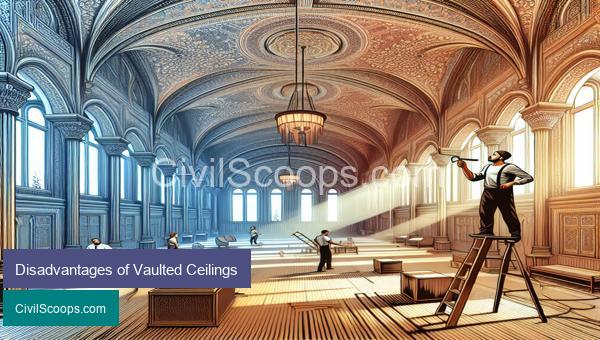
Vaulted ceilings, also known as cathedral ceilings, are a popular architectural feature that have become more common in modern homes. They are characterized by an elevated ceiling that follows the shape of the roof, creating a dramatic and open feel to a space. While vaulted ceilings have many benefits, they also come with some disadvantages that should be considered before incorporating them into a building design. As a civil engineer, I have encountered these disadvantages and I will explain them in detail below.
1. Cost: One of the biggest disadvantages of vaulted ceilings is the cost. The construction of these ceilings requires extra materials such as longer rafters, larger trusses, and more insulation. This can significantly increase the cost of construction, making them less economically feasible for some projects. Furthermore, the maintenance and repair costs of such ceilings can also be higher due to their complexity.
2. Difficult to Heat and Cool: Due to their height, vaulted ceilings can be challenging to heat and cool effectively. The extra space in the room means more air that needs to be conditioned, resulting in higher energy costs. In addition, the hot air rises to the top of the room, leaving the lower areas of the room cooler. This can create an uneven temperature distribution, making it uncomfortable for occupants.
3. Poor Acoustics: Vaulted ceilings can create sound problems in a room. The higher the ceiling, the more echo and reverberation can occur, making it difficult to have conversations or listen to music comfortably. This can be especially problematic in large rooms or in spaces that are used for activities such as watching movies or giving presentations.
4. Limited Space for Utilities: The height of vaulted ceilings can also limit the space available for utilities such as plumbing, electrical wiring, and HVAC ductwork. This can make it challenging to install these systems in a way that is both functional and visually appealing. As a result, it may require creative solutions or compromises in design, which can be costly and time-consuming.
5. Fire Hazard: The height and slope of vaulted ceilings can make it difficult for firefighters to access and control a fire. This can be particularly dangerous in case of a fire outbreak, as it can spread quickly and be difficult to extinguish. As a result, special fire protection measures may need to be put in place, such as sprinkler systems, which can increase construction costs.
In conclusion, while vaulted ceilings can add aesthetic appeal and create a sense of grandeur in a space, they also come with several disadvantages that should be carefully considered. As a civil engineer, it is important to carefully weigh the benefits and drawbacks of incorporating vaulted ceilings into a building design before making a decision.
Conclusion
In conclusion, vaulted ceilings have become a popular feature in modern homes, providing a sense of openness and grandeur. They not only add visual interest and architectural detail, but also contribute to better air circulation and natural lighting. From traditional to contemporary designs, vaulted ceilings can be incorporated in various styles to suit personal preferences and enhance the overall aesthetics of a space. However, it is important to consider the structural requirements and maintenance factors before adding a vaulted ceiling to a home. With careful planning and execution, vaulted ceilings can transform any room into a stunning and inviting living space. So whether you are looking for a way to increase the value of your home or simply want to create a unique and stylish living environment, consider adding a vaulted