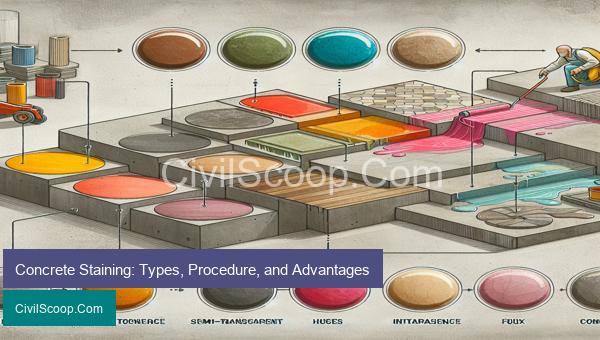
Concrete staining is a popular method of enhancing the appearance of concrete surfaces by adding color and texture. This process capitalizes on the porous nature of concrete to create unique and durable designs. From residential floors to commercial spaces, concrete staining has become a preferred choice for many due to its versatility and affordability. In this article, we will explore the different types of concrete staining techniques, the step-by-step procedure, and the various advantages it offers. Whether you are looking to transform your dull concrete surfaces or simply looking for a cost-effective way to add visual appeal, this article will provide valuable insights into the world of concrete staining.
Table of Contents
Types of Concrete Staining
Concrete staining is a popular technique used to enhance the appearance of concrete surfaces. It involves applying a colored or translucent solution to the surface of concrete to create a unique and aesthetically pleasing finish. Depending on the type of stain used, concrete staining can also provide additional benefits such as increased durability and resistance to stains and wear.
There are two main types of concrete staining techniques: acid-based stains and water-based stains.
1. Acid-Based Stains
Acid-based stains are the most common type of concrete staining. They contain a mixture of water, acid, and metallic salts that react with the minerals in the concrete to create a chemical reaction, resulting in a permanent color change. The acid in the stain opens up the pores of the concrete, allowing the metallic salts to penetrate and create a variegated or mottled look. This creates a natural and unique appearance, with shades ranging from earth tones like browns and greens to blues and reds.
One of the biggest advantages of acid-based stains is their ability to create a long-lasting, translucent color that will not chip, flake or peel. They also provide excellent UV resistance, making them suitable for both interior and exterior applications. However, the installation process of acid-based stains requires extensive preparation and protective gear due to their corrosive nature. They also have limited color options compared to water-based stains.
2. Water-Based Stains
Water-based stains are an alternative to acid-based stains. They contain water and pigments or dyes that penetrate into the concrete’s pores, creating a semi-translucent and consistent color. These stains offer a wider variety of colors and can be custom-mixed to achieve specific shades and patterns. They are also easier to apply and have a faster drying time compared to acid-based stains.
Water-based stains are a more environmentally friendly option as they do not contain harmful chemicals. They are also versatile, as they can be used on both new and old concrete surfaces, and can be applied over existing sealers and coatings. However, they do not provide the same depth and variegation as acid-based stains, making them less suitable for creating a natural stone-like appearance. They are also less durable and may require regular maintenance and reapplication.
In addition to these main types of concrete staining, there are also specialized stains such as acrylic stains, which are water-based but contain acrylic polymers for added durability and protection. There are also stains that combine both acid and water-based properties to create unique effects and a greater color range.
In conclusion, concrete staining is a versatile and effective method of enhancing and beautifying concrete surfaces. Whether you prefer a natural, earthy look or a bold and vibrant color, there are various types of staining options available to achieve your desired results. It is essential to consider factors such as the surface condition, location, and desired durability when selecting the type of stain to use for your project. Ultimately, proper application and maintenance are key to achieving long-lasting and visually appealing results.
Concrete Staining Procedure
Concrete staining is a popular way to enhance the appearance of plain concrete surfaces. It involves using stains and dyes to add color or patterns to the surface of concrete, creating a unique and eye-catching look. This procedure is commonly used for both indoor and outdoor concrete surfaces, such as floors, patios, driveways, and walls.
The following are the steps involved in the concrete staining procedure:
1. Surface Preparation: Before starting the staining process, it is essential to prepare the concrete surface properly. This includes cleaning the surface to remove any dirt, dust, or debris. If there are any existing sealers, they must be removed by using a stripper or a mechanical grinder. It is crucial to have a clean and dry surface for the stain to penetrate and adhere properly.
2. Stain Selection: There are two types of concrete stains – acid-based and water-based. Acid-based stains are commonly used for outdoor surfaces as they create a marbled, variegated effect. Water-based stains are ideal for indoor surfaces as they produce a consistent color. The color and pattern of the stains can vary depending on the type and brand used, so it is essential to choose the right stain for the desired look.
3. Application of Stains: The stains can be applied using different methods, such as brushing, rolling, or spraying. It is crucial to apply the stains evenly and consistently to achieve a uniform color and pattern. The stains must be allowed to sit for a specific amount of time, usually 4-8 hours for acid-based stains and 1-2 hours for water-based stains. This time allows the stain to react with the concrete and develop the desired color.
4. Cleaning and Neutralizing: After the stain has dried, the surface must be thoroughly cleaned using a neutralizing solution. The solution helps to remove any excess stain and neutralize the surface’s pH level. This step is crucial as it prevents the stain from reacting further and causing unwanted discoloration.
5. Sealing the Surface: To protect the stained concrete surface and enhance its appearance, a sealer must be applied. The sealer acts as a barrier, preventing the color from fading or staining. It also gives the surface a glossy or matte finish, depending on the type of sealer used.
6. Maintenance: Proper maintenance is essential to ensure the longevity of the stained concrete. It is recommended to avoid using harsh chemicals for cleaning, as they can damage the sealer and stain. Regularly sweeping and mopping the surface is sufficient to keep it clean and prevent any staining.
In conclusion, concrete staining is a cost-effective and creative way to transform plain concrete surfaces into a beautiful and unique space. The staining procedure may require some skill, so it is best to hire a professional for the best results. With proper care and maintenance, a stained concrete surface can retain its beauty for many years to come.
Advantages of Concrete Staining
Concrete is the most commonly used building material for construction projects due to its durability and versatility. However, plain concrete can look dull and unattractive, especially in indoor spaces. This is where concrete staining comes in. Concrete staining is a process of coloring or tinting the surface of concrete, transforming it into a beautiful and decorative finish. It involves applying a color stain or dye to the surface of the concrete, which penetrates deep into the material, creating unique and long-lasting color effects. Here are some advantages of concrete staining:
1. Enhances Aesthetics: One of the primary advantages of concrete staining is its ability to enhance the appearance of plain concrete. Staining can add depth and character to the surface of concrete, making it look more attractive and appealing. The wide range of color options available allows for endless design possibilities, making it a popular choice for both residential and commercial spaces.
2. Cost-effective: Compared to other flooring options such as tiles or hardwood, concrete staining is much more cost-effective. It is a fraction of the cost of these materials, and the results can be just as stunning. Additionally, the maintenance and upkeep costs for stained concrete are minimal, making it a highly economical choice for long-term use.
3. Durable: Concrete staining is a permanent and durable solution for concrete surfaces. The stain penetrates deep into the concrete, becoming a part of it rather than just a superficial layer. This makes it less prone to chipping, flaking, or peeling, ensuring that the stained concrete retains its beautiful appearance for many years to come.
4. Customizable: Concrete staining offers a great deal of versatility and customization options. Not only can you choose from a wide range of colors, but different patterns and designs can also be created by using different staining techniques. This makes it easy to achieve a unique and personalized look for any space.
5. Low Maintenance: Stained concrete is highly resistant to stains, moisture, and scratches. This makes it very easy to clean and maintain. Regular sweeping and mopping are sufficient to keep the surface looking clean and shiny. Unlike other flooring options, concrete staining does not require waxing or special cleaning products, making it a low-maintenance choice.
6. Environmentally Friendly: Concrete staining is an environmentally friendly option as it utilizes the existing concrete slab, eliminating the need for new materials to be produced or transported. Additionally, the stains and dyes used are non-toxic and do not emit any harmful chemicals, making it a safe and eco-friendly choice.
In conclusion, concrete staining offers a cost-effective, durable, and customizable solution for enhancing the appearance of concrete surfaces. Its low maintenance and environmentally friendly aspects make it a preferred choice for both residential and commercial projects. With its ability to transform plain concrete into a beautiful and unique surface, it is no wonder that concrete staining has gained popularity in the construction industry.
Disadvantages of Concrete Staining
Concrete staining is a popular method used to enhance and add color to concrete surfaces such as floors, driveways, and patios. While it has its benefits, there are also several disadvantages to consider before opting for concrete staining. Some of the main disadvantages are:
1. Limited color options: While concrete staining offers a wide range of colors and designs, it is still limited compared to other flooring options such as tiles or vinyl. This can be a disadvantage for those looking for a specific color or design for their concrete surface.
2. Not suitable for all concrete surfaces: Concrete staining is only suitable for surfaces with a relatively smooth and even texture. It may not be possible to achieve a uniform stain on rough or porous concrete surfaces, making it unsuitable for some projects.
3. Time-consuming and labor-intensive: The process of concrete staining involves multiple steps including cleaning, preparing, and applying the stain. This can be a time-consuming and labor-intensive process, especially for larger areas.
4. Difficult to repair: If the stained concrete surface gets damaged or stained, it can be challenging to repair it without affecting the color or design. In some cases, the entire surface may need to be restained, which can be costly and time-consuming.
5. Requires regular maintenance: Stained concrete surfaces need to be maintained regularly to preserve their color and shine. This includes regular cleaning and resealing, which can add to the overall cost of the project.
6. Limited lifespan: Despite proper maintenance, stained concrete surfaces may not have a long lifespan compared to other flooring options. Intense foot traffic or heavy objects can cause the stain to wear off over time, leading to the need for frequent touch-ups or replacements.
7. Environmental concerns: The chemicals used in concrete staining can have harmful effects on the environment, especially if not disposed of properly. They can also emit strong odors during the staining process, which can be a concern for indoor applications.
In conclusion, while concrete staining has its benefits, it also has several disadvantages to consider. It is essential to weigh the pros and cons carefully before opting for this method of enhancing concrete surfaces.
Conclusion
In conclusion, concrete staining is a highly versatile and durable method of enhancing the appearance of concrete surfaces. With a wide range of colors, techniques and finishes available, it offers endless possibilities for creating unique and beautiful spaces. The procedure is relatively simple and can be done both indoors and outdoors, making it a popular option for both residential and commercial spaces. Not only does it offer aesthetic benefits, but it also has practical advantages such as increased durability, easy maintenance and cost-effectiveness. Whether it is for a new construction or a renovation project, concrete staining is a great way to add character and style to any space. With proper preparation and professional application, you can achieve stunning results that will last for years to come.