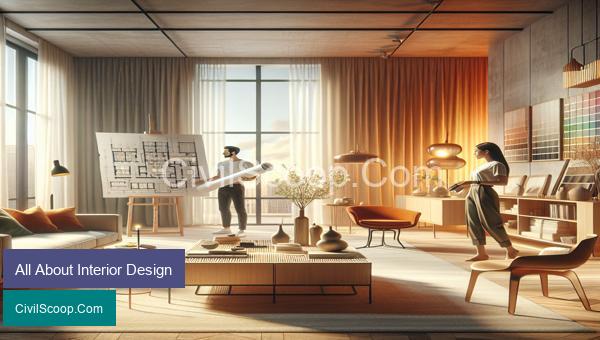
Interior design is an essential aspect of creating a space that reflects both style and functionality. It involves the art and science of enhancing the interior of a building or space to create a more aesthetically pleasing and comfortable environment. From the selection of colors, furniture, and decor to the arrangement of items and the use of lighting, every element plays a crucial role in achieving the desired outcome. In this article, we will delve into the world of interior design, exploring its history, principles, and various styles, as well as provide tips and inspiration for creating a well-designed space that truly reflects one’s personality and lifestyle. Whether you are a design enthusiast or looking to revamp your home, this guide will provide a comprehensive overview of all things interior design
Table of Contents
Interior Design | Color
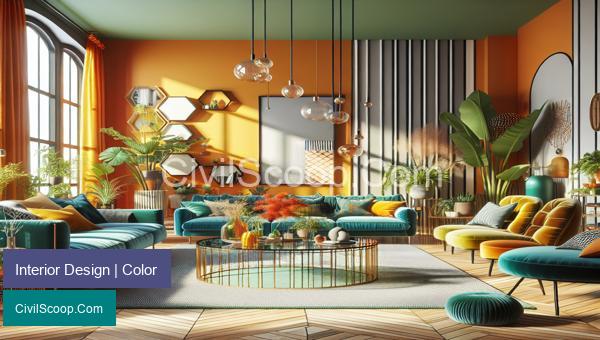
Interior design is an essential aspect of any construction project, and color plays a significant role in enhancing the overall aesthetic of a space. As a civil engineer, understanding the importance of color in interior design is crucial in designing functional and visually appealing spaces.
Color selection in interior design is much more than choosing a palette that looks good. It involves a careful and thoughtful approach, taking into account factors such as the purpose of the space, the intended mood, and the target audience. Choosing the right colors can create a specific atmosphere, evoke emotions, and improve the functionality of a room.
The color wheel is a fundamental tool used in interior design. It consists of primary colors (red, blue, and yellow), secondary colors (green, purple, and orange), and tertiary colors (mix of primary and secondary colors). By understanding the relationships between colors on the wheel, designers can create harmonious and visually appealing color schemes.
Warm and cool colors are two categories used to differentiate colors. Warm colors, such as red, orange, and yellow, evoke a sense of warmth, energy, and passion. These colors are great for spaces where people gather, like living rooms. On the other hand, cool colors, such as blue, green, and purple, bring a sense of calmness and relaxation to a room. They are suitable for bedrooms and other areas where people go to unwind.
Color psychology is also an essential aspect of interior design. It studies how colors affect human behavior and emotions. For example, blue is associated with trust and stability, making it a popular color for office spaces. Green symbolizes nature and growth, making it suitable for healthcare facilities and classrooms.
In addition to the physiological effects, colors can also influence the perception of the size and shape of a room. Dark colors tend to make a room feel smaller, while light colors create an illusion of more space. This concept is significant in small spaces, where the use of light colors can make the room feel more open and spacious.
Using the right color combinations is crucial in interior design. Complementary colors are colors that are opposite each other on the color wheel and create a high contrast, thus making each color stand out. Analogous colors are colors that are next to each other on the wheel and create a harmonious and cohesive look.
Furthermore, the proper use of accent colors can add depth and interest to a room. These are bold and vibrant colors used in small quantities to create a focal point or highlight a particular area or object in the room. They can also be used to add a touch of personality to a space.
In conclusion, color is a powerful tool that can transform a space and affect its occupants’ mood and behavior. As a civil engineer, understanding the principles of color and its role in interior design is crucial in creating functional and aesthetically pleasing spaces. By utilizing the right color combinations, textures, and patterns, interior designers can create a well-designed space that fulfills both the functional and visual aspects of a room.
Conclusion
In conclusion, interior design is an integral part of creating a functional and aesthetically pleasing space. From considering layout and functionality to selecting colors and materials, the process of interior design requires skill, creativity, and attention to detail. By understanding the history and principles of interior design, as well as staying updated on current trends and techniques, one can transform any space into a personalized and inviting sanctuary. Whether you are a homeowner looking to redesign your living space or a professional seeking to enter the world of interior design, it is clear that there is so much to appreciate and learn about this ever-evolving field. So go ahead and let your imagination run wild, because the possibilities of interior design are truly endless.