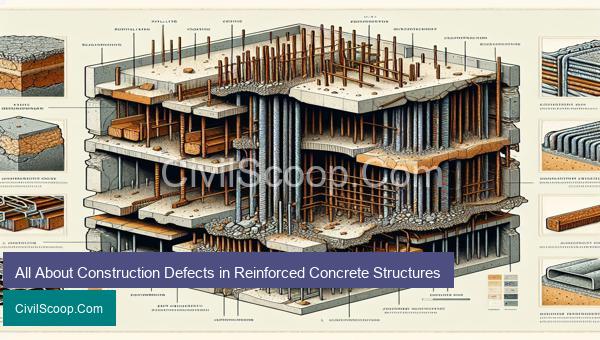
When it comes to building and construction, reinforced concrete has been a popular material used for its strength, durability, and versatility. However, despite its many benefits, reinforced concrete structures are not immune to defects. These defects can range from minor cracks to more serious issues that compromise the safety and stability of the structure. In this article, we will delve into the world of construction defects in reinforced concrete structures – what they are, how they occur, and the potential consequences. By understanding these defects, we can better identify and prevent them, ensuring the safety and longevity of our buildings.
Table of Contents
7 Types of Construction Defects in Reinforced Concrete Structures
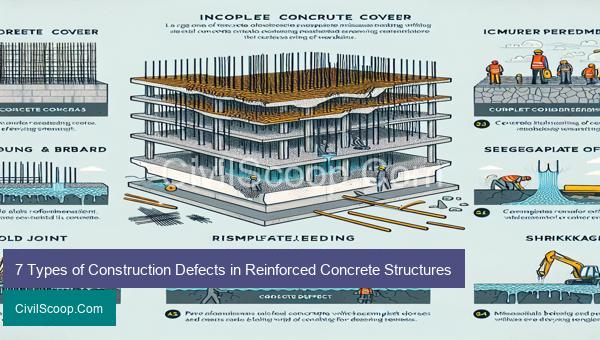
1. Cracking: This is one of the most common construction defects in reinforced concrete structures. It occurs due to poor design or improper placement of steel reinforcement, which leads to excessive stress on the concrete. Cracking can also result from temperature changes, inadequate curing, and overloading of the structure.
2. Honeycombing: Honeycombing refers to the presence of voids or cavities in the concrete, which are caused by insufficient compaction during the pouring process. This defect weakens the structure and can lead to water infiltration, which can further damage the concrete.
3. Shrinkage: Concrete shrinks as it cures, but excessive shrinkage can result in cracks and other structural issues. This defect is usually caused by improper water-cement ratio or inadequate curing of the concrete.
4. Corrosion of Steel Reinforcement: Reinforced concrete structures rely on steel bars to provide strength, but if these bars are not properly protected against corrosion, they can deteriorate and weaken the structure. This can be caused by exposure to harsh environments, improper concrete cover, or poor quality of materials.
5. Spalling: Spalling is the chipping, cracking, or flaking of the concrete surface, which can occur due to a variety of reasons such as poor quality of concrete, corrosion of reinforcement, or exposure to high temperatures. This defect not only affects the aesthetics of the structure but also compromises its structural integrity.
6. Deflection: Deflection refers to the bending or deformation of a structure under load. In reinforced concrete structures, excessive deflection can be caused by inadequate structural design or incorrect placement of reinforcement. This not only affects the structural integrity of the building but can also cause cracks and other damage.
7. Insufficient Strength: Reinforced concrete structures are designed to withstand specific loads and stresses. However, if the concrete mix is not properly proportioned or the reinforcement is not placed at the correct locations, the structure may not have the required strength to support its intended loads. This can lead to structural failure and collapse of the building.
In conclusion, construction defects in reinforced concrete structures can have serious consequences on the safety, stability, and durability of the building. It is essential for civil engineers to carefully plan, design, and execute construction projects to minimize such defects and ensure the longevity of the structures. Regular inspections and maintenance of reinforced concrete structures are also crucial to identify and address any potential defects before they escalate into major issues.
Conclusion
In conclusion, construction defects in reinforced concrete structures can lead to significant repercussions, both in terms of safety and financial costs. It is crucial for construction companies to prioritize quality control measures during the building process and conduct thorough inspections to identify and rectify any defects. Additionally, regular maintenance and timely repairs can help prevent potential hazards and extend the lifespan of these structures. As consumers, it is important to be aware of the common types of defects and their potential impact, and to work with reputable and experienced contractors to ensure the construction of strong and durable reinforced concrete structures. By understanding the causes and consequences of construction defects, we can strive towards building safe and reliable structures for the betterment of our communities.