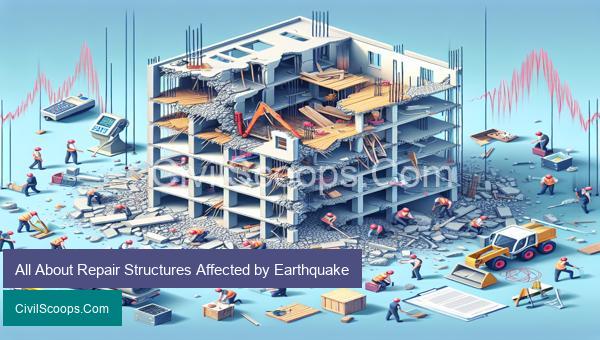
Earthquakes, one of the most devastating natural disasters, can cause significant damage to buildings and infrastructure. The aftermath of an earthquake often leaves behind a trail of destruction and requires extensive repair work to restore the affected structures. Repairing structures after an earthquake is a complex and crucial process that involves various methods and techniques. In this article, we will delve into the world of repairing structures affected by earthquakes and explore the key considerations, challenges and solutions involved in this field. From understanding the impact of earthquakes on different types of structures to discussing the latest technologies used for repair work, this article aims to provide an in-depth understanding of all aspects of repairing structures affected by earthquakes.
Table of Contents
How to Repair Structures Affected by Earthquake?
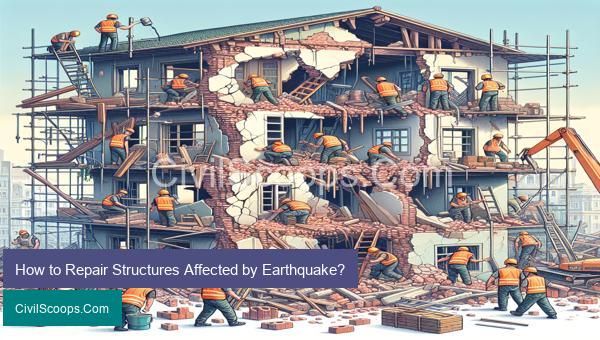
Earthquakes are a natural phenomenon that can cause significant damage to structures and infrastructure. As a civil engineer, it is important to understand the steps involved in repairing structures affected by an earthquake. Here are the key steps involved in repairing structures affected by an earthquake:
1. Safety Assessment:
The first step in repairing earthquake-damaged structures is to conduct a safety assessment. This involves a thorough inspection of the structure to determine the extent of damage and identify any areas that may pose a safety risk. The assessment should be carried out by a qualified structural engineer or a team of engineers to ensure accuracy and effectiveness.
2. Stabilization:
Once the safety assessment is complete, the next step is to stabilize the structure. This involves reinforcing any weak or damaged areas to prevent further collapse or damage. This may include bracing, shoring, or installing temporary supports to prevent further movement of the structure.
3. Structural Analysis:
After the structure has been stabilized, a detailed structural analysis should be carried out to determine the extent of damage and the appropriate repair methods. This analysis will help to identify which elements of the structure need to be repaired or replaced and the best approach for doing so.
4. Repair and Retrofitting:
Repairing earthquake-damaged structures often involves a combination of repair and retrofitting techniques. Repair involves fixing any structural elements that have been damaged, such as cracked or broken beams, columns, or walls. Retrofitting, on the other hand, involves strengthening the structure to improve its earthquake resistance. This may include adding steel braces, strengthening walls with shear walls, or using specialized foundation systems.
5. Seismic Upgrading:
In some cases, repairing and retrofitting may not be enough to ensure the structural stability of the building in the event of another earthquake. In these instances, it may be necessary to carry out seismic upgrading, which involves significant strengthening and reinforcement of the structure.
6. Quality Control:
Throughout the repair process, it is important to maintain strict quality control measures. This includes regular inspections to ensure that repairs are being carried out according to engineering specifications and standards. It is also important to use high-quality materials and follow proper construction techniques to ensure the long-term durability of the structure.
7. Continual Monitoring:
After the repairs are completed, it is essential to continually monitor the structure to ensure its ongoing safety and functionality. This may include regular inspections and maintenance to address any potential issues that may arise.
In conclusion, repairing structures affected by an earthquake is a complex and challenging process that requires the expertise of a qualified structural engineer. By following these steps and conducting thorough safety assessments, stabilization, structural analysis, and repairs, it is possible to restore earthquake-damaged structures to their pre-damage condition and ensure their long-term safety and durability.
Non-Structural/Architectural Repairs

Non-structural repairs, also known as architectural repairs, refer to the repairs and maintenance of building elements that are not essential to the structural integrity of a building. These repairs are typically cosmetic or aesthetic in nature and are focused on enhancing the appearance and functionality of a building.
One of the most common non-structural repairs is related to interior finishes such as walls, floors, and ceilings. Over time, these elements can become damaged due to normal wear and tear, water damage, or accidental damage. In such cases, repairs may involve patching holes or cracks, repainting, or replacing damaged sections.
Exterior finishes, including cladding, stucco, and brickwork, may also require non-structural repairs. These elements are not only important for the appearance of a building, but also for its weatherproofing and insulation. Repairs may include replacing damaged or missing sections, reapplying sealant, or repainting.
Roof repairs are another common non-structural repair. Roof damage can be caused by severe weather, age, or poor maintenance. Non-structural repairs for roofs may include replacing damaged shingles, repairing leaks, or resealing flashing.
Building features such as windows, doors, and trim may also require non-structural repairs. These elements can become damaged over time, affecting both the appearance and functionality of a building. Repairs may involve repairing or replacing damaged sections, weatherproofing, or updating for improved energy efficiency.
Plumbing and electrical systems are also considered non-structural repairs. While they are essential for a building to function, these systems are not part of the structural framework. Repairs to plumbing and electrical systems may include fixing leaks, replacing damaged fixtures, or updating outdated systems.
Non-structural repairs are important for maintaining the overall appearance and functionality of a building. They not only improve the aesthetic appeal of a structure, but also contribute to its longevity and value. It is important to address non-structural repair needs in a timely manner to avoid further damage and to ensure the safety and comfort of building occupants.
In conclusion, non-structural repairs are an essential aspect of building maintenance and are necessary to keep a building functioning and looking its best. Whether it’s repairing damaged finishes, replacing worn-out elements, or updating outdated systems, these repairs play a crucial role in preserving and enhancing the overall quality of a building. As a civil engineer, it is important to understand the importance of non-structural repairs and to ensure that they are implemented correctly and efficiently.
Structural Repairs
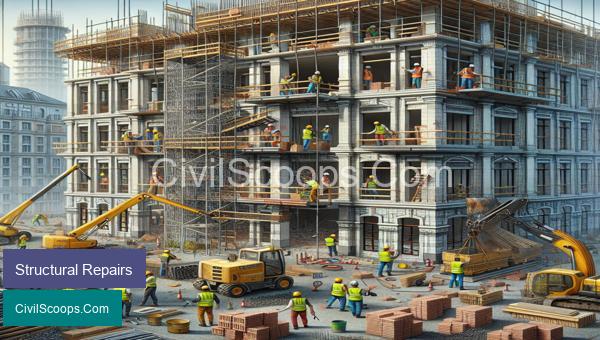
Structural repairs are essential to ensure the safety, stability, and longevity of buildings, bridges, and other structures. The primary purpose of structural repair is to restore the structural integrity of compromised elements and prevent any further damage or failure.
Common Causes of Structural Damage:
1. Natural Disasters: Earthquakes, hurricanes, floods, and other natural disasters can cause severe structural damage to buildings and infrastructure.
2. Age and Deterioration: As structures age, the materials used, such as concrete and steel, can deteriorate over time due to exposure to weather, chemicals, and wear and tear.
3. Poor Construction: Faulty design, substandard materials, and improper construction practices can all contribute to structural damage.
4. Environmental Factors: Extreme temperature changes, soil movement, erosion, and water infiltration can all impact the stability of structures.
Methods for Structural Repairs:
1. Reinforcement: Adding additional structural elements, such as steel beams or braces, can strengthen and support damaged or weakened sections of a structure.
2. Resurfacing: This method involves repairing or replacing the outer surface of a structure to restore its structural integrity and improve its appearance.
3. Maintenance and Upkeep: Regular inspection and maintenance of structural elements can prevent minor issues from turning into major problems, saving time, money, and resources in the long run.
4. Replacement: In cases where structural damage is severe, replacing the damaged elements with new ones may be necessary.
Structural repair solutions must be carefully chosen based on the specific type, extent, and severity of damage, as well as the structural and environmental conditions of the site. It is essential to consult with a structural engineer or a professional construction company to determine the best repair method for each specific situation.
Benefits of Structural Repairs:
1. Ensures Safety: Structural repairs help ensure the safety and stability of structures, protecting occupants and users from potential danger.
2. Prevents Further Damage: Addressing structural damage promptly can prevent it from worsening and potentially causing more significant issues in the future.
3. Saves Money: Timely structural repairs can be more cost-effective than waiting for extensive damage to occur, which may require more extensive and costly repairs.
4. Improves Aesthetics: Structural repairs can also improve the appearance of buildings and structures by restoring their original design and aesthetics.
Conclusion:
In conclusion, structural repairs are crucial for maintaining the safety and integrity of buildings, bridges, and other structures. By promptly addressing structural damage, utilizing the appropriate repair methods, and conducting regular maintenance, we can ensure the longevity of our structures and the safety of those who use them. As a civil engineer, it is our responsibility to promote and implement proper structural repairs to maintain the safety and stability of our built environment.
Conclusion
In conclusion, understanding the various types of repair structures used to address earthquake damage is crucial in mitigating the impacts of this natural disaster. By employing specialized techniques and materials tailored to the specific type and level of damage, these repair structures can restore safety and functionality to buildings and infrastructure. It is important for governments and communities to invest in earthquake-resistant construction and regular maintenance of existing structures to minimize the devastation and loss of life in the event of an earthquake. With continued research and advancements in engineering, the future of repair structures for earthquake-affected buildings is filled with possibilities for effectively rebuilding and strengthening our built environments. Let us work together to create a safer and more resilient world to withstand the destructive forces of nature.