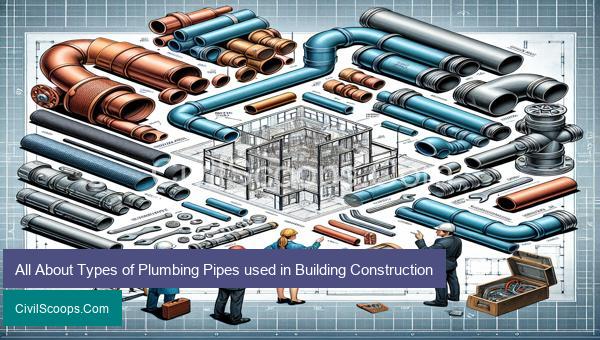
Plumbing is an essential aspect of any building construction, and the type of pipes used plays a crucial role in its functionality, efficiency, and maintenance. With the advances in technology, there is now a wide variety of plumbing pipes available, each with its unique features and advantages. In this article, we will discuss the various types of plumbing pipes commonly used in building construction and their properties, to help you understand which one is best suited for your project. So, let’s dive into the world of plumbing pipes and discover all there is to know about them.
Table of Contents
Different Types of Plumbing Pipes used in Building Construction
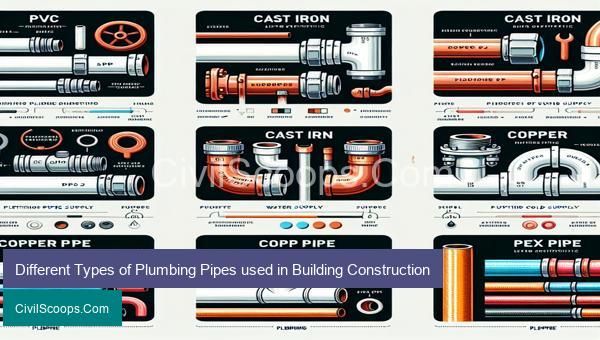
Plumbing pipes are essential components of building construction, as they are responsible for the distribution of water and removal of waste in a safe and efficient manner. There are various types of plumbing pipes available in the market, each with its own unique characteristics and uses. In this article, we will discuss the different types of plumbing pipes commonly used in building construction.
1. PVC Pipes
PVC (polyvinyl chloride) pipes are one of the most commonly used plumbing pipes in building construction. These pipes are made of a strong and durable plastic material, making them resistant to corrosion and chemicals. They are lightweight, easy to install, and cost-effective, making them a popular choice for residential and commercial plumbing systems. PVC pipes are also low maintenance and have a longer lifespan compared to other materials.
2. Copper Pipes
Copper pipes have been used for plumbing for centuries due to their excellent corrosion resistance and durability. They are suitable for both hot and cold water systems and can withstand high pressure. Copper pipes are also known for their flexibility, making them easy to work with and bend around corners without the need for additional fittings. However, they can be more expensive than other types of plumbing pipes.
3. Galvanized Steel Pipes
Galvanized steel pipes are made of steel coated with a layer of zinc, making them resistant to corrosion. These pipes are commonly used in commercial and industrial buildings, as they can withstand high temperatures and pressure. However, galvanized steel pipes can be prone to rusting and clogging over time, leading to reduced water flow and potential leaks.
4. PEX Pipes
PEX (cross-linked polyethylene) pipes are a newer type of plumbing pipe that has gained popularity in recent years. They are made of a flexible plastic material and are easy to install, as they can be bent and maneuvered without the need for additional fittings. PEX pipes are suitable for both cold and hot water systems and are highly resistant to chemicals and heat. They also have a longer lifespan compared to other materials.
5. HDPE Pipes
HDPE (high-density polyethylene) pipes are a popular choice for underground plumbing systems due to their high strength and chemical resistance. They are made of a flexible material that is resistant to cracks and leaks, making them ideal for areas with high water pressure or extreme weather conditions. HDPE pipes are also recyclable, making them an environmentally friendly option.
6. Cast Iron Pipes
Cast iron pipes were commonly used in the past for plumbing, but they have now been largely replaced with newer materials. These pipes are made of a durable material that can withstand high pressure and extreme temperatures. However, they are heavy and difficult to work with, making them more suitable for larger buildings or underground drainage systems.
In conclusion, the type of plumbing pipe used in building construction will depend on factors such as the intended use, budget, and building codes. It is important to consult with a professional plumber to determine the most suitable type of pipe for your specific project. Proper installation and maintenance are also crucial to ensure the longevity and efficiency of the plumbing system.
What is Plumbing System?
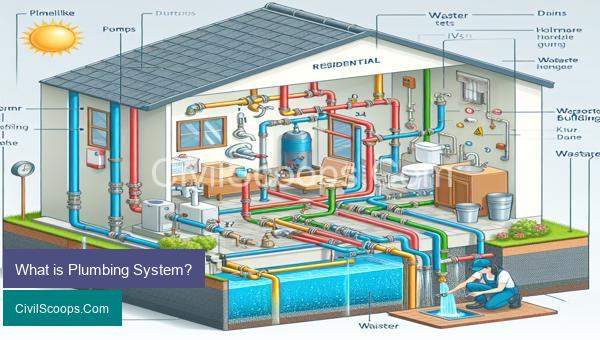
Plumbing system is an essential part of any building structure that provides a reliable supply of clean water and proper disposal of waste water. It is a network of pipes, fixtures, valves, and other plumbing accessories that work together to ensure the proper functioning of water supply and drainage in a building.
The basic components of a plumbing system include supply pipes, fittings, valves, fixtures, and drainage pipes. These components are interconnected to supply clean water to various parts of the building and to dispose of waste water properly.
Supply pipes are responsible for carrying potable water from the main water source to the building. These pipes are usually made of copper, galvanized steel, or plastic and are buried underground or hidden behind walls. Fittings such as elbows, tees, and reducers are used to connect the supply pipes and create a network of water distribution.
Valves are important components of a plumbing system as they control the flow of water. They are typically located near the fixtures and can be used to shut off and control the water supply to a specific area or appliance in case of repairs or emergencies.
Fixtures are the endpoints of a plumbing system and include sinks, bathtubs, showers, toilets, and faucets. These fixtures are connected to the supply pipes through fittings and valves, and they allow for the use of water for various purposes in a building.
Drainage pipes are responsible for removing waste water from the building to the main sewer or septic system. These pipes are typically larger in diameter than supply pipes and are made of cast iron, clay, or plastic. Proper slopes and venting are crucial for the proper functioning of drainage pipes.
Additionally, plumbing systems may also include devices such as water heaters, pumps, and water filters to improve the efficiency and quality of the water supply.
Proper design and installation of a plumbing system is essential to ensure the safety and health of its users. The system must comply with local plumbing codes and regulations to maintain high standards of hygiene and prevent contamination of water supply.
In summary, plumbing system is an integral part of any building structure and plays a vital role in providing clean water for daily use and disposing of waste water in a sanitary and efficient manner. Without a properly functioning plumbing system, modern living would be impossible.
Supply Pipes or Service Pipes
Supply pipes, also known as service pipes, are an essential part of every civil engineering project. These pipes are responsible for carrying clean water from a centralized water source to individual buildings or households. Their proper installation, maintenance and functionality are crucial for the delivery of safe and hygienic water to the end-users.
Material and Types:
Supply pipes are usually made of materials like copper, galvanized iron, polyethylene, and PVC (polyvinyl chloride). These materials are chosen based on factors such as durability, cost-effectiveness, and the type of water supply in the area.
There are two main types of supply pipes: direct and indirect. Direct supply pipes are used in buildings that have their own water storage tanks. These pipes deliver water directly to the storage tank where it is stored for later use. Indirect supply pipes, on the other hand, are connected to the public water mains and are used to supply water directly to homes and buildings.
Installation:
Supply pipes are usually laid underground, and their installation requires careful planning and consideration. The pipes must be installed at a proper depth to protect them from possible damage caused by external factors such as traffic, construction, and soil movement. The installation also includes the use of fittings such as elbows, tees, and couplings, which allow the pipes to navigate around obstacles and connect to the plumbing fixtures.
Maintenance:
Supply pipes require regular maintenance to ensure their proper functioning and prevent issues such as leaks, clogs, and corrosion. One of the main maintenance tasks is to check for any leaks in the pipes and repair them immediately. Regular cleaning and flushing of the pipes can also help prevent clogs caused by sediment buildup.
Contamination Prevention:
Service pipes are an essential barrier in preventing potential contamination of the water supply. For this reason, they must be installed and maintained according to strict regulations and standards. These measures include the use of backflow prevention devices and regular inspections to ensure the pipes are in good condition and free of any contamination.
Conclusion:
In conclusion, supply pipes or service pipes are a critical component of every water supply system. Their proper installation, maintenance, and functionality are crucial for delivering clean and safe water to the end-users. As a civil engineer, it is important to understand the principles and guidelines associated with supply pipes to ensure that they are always installed and maintained correctly for the health and safety of the community.
Drain Pipes or Waste Disposal Pipes
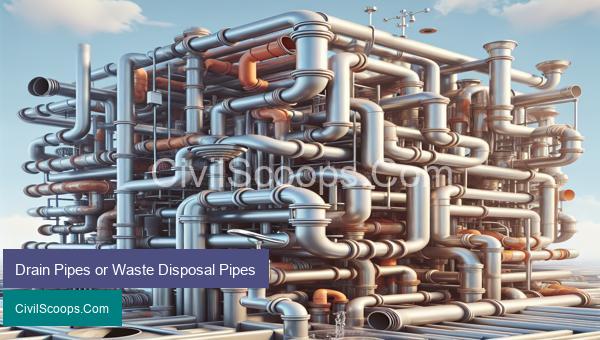
Drain pipes, also known as waste disposal pipes, are an essential component of any building’s plumbing system. They are responsible for carrying wastewater and sewage from sinks, toilets, and other fixtures to a treatment plant or septic system. Without proper functioning drain pipes, buildings would be at risk of flooding and potential health hazards.
Types of Drain Pipes:
There are various types of drain pipes, but the two main categories are underground and above-ground pipes. Underground pipes are typically made of materials such as PVC, clay, or cast iron, while above-ground pipes are often made of PVC or metal.
PVC (Polyvinyl Chloride) pipes are the most commonly used for residential and commercial drain systems. They are lightweight, affordable, and easy to install. PVC pipes are also resistant to chemicals and corrosion, making them suitable for carrying wastewater.
Cast iron pipes, on the other hand, are more commonly used for underground drain pipes. They are durable and have a longer lifespan than PVC pipes, but they are more expensive and difficult to work with.
Clay pipes have been used for centuries and are still in use today in some areas, especially for underground sewage systems. They are durable, environmentally friendly, and provide a leak-proof solution. However, they have a limited lifespan and are susceptible to damage from tree roots.
Function and Importance:
The primary function of drain pipes is to transport wastewater and sewage away from the building and to the treatment plant or septic system. Without drain pipes, domestic and commercial buildings would become uninhabitable due to contaminated water and potential flooding.
Drain pipes are designed to carry large volumes of waste materials, including solid and liquid waste, and also prevent foul odors from entering the building. They also facilitate the flow of water by utilizing gravity, and the pipes are installed at a slightly downward angle to ensure proper water flow.
Regular maintenance and cleaning of drain pipes are essential to prevent clogs, leaks, and potential health hazards. Blockages and buildup of debris can result in slow draining water, foul odors, and cause damage to the pipes. It is crucial to have a professional plumber inspect and clean the pipes regularly to ensure they are functioning correctly.
Proper Design and Installation:
Proper design and installation of drain pipes are crucial for the efficiency and longevity of the plumbing system. The pipes must be sized correctly to ensure they can handle the amount of wastewater produced by the building, and the slope must be adequate for proper drainage.
The installation of drain pipes must also adhere to building codes and regulations to ensure the safety and functionality of the system. For example, codes often require the use of backflow prevention devices to prevent contaminated water from flowing back into the building.
Conclusion:
In conclusion, drain pipes are an integral part of building infrastructure, responsible for carrying wastewater and sewage from the building to be treated and disposed of properly. Proper maintenance, design, and installation of drain pipes are essential to ensure the safety and functionality of the plumbing system. With their vital role in waste disposal, it is crucial to use quality materials and hire a professional plumber for their installation and maintenance.
Drainage Pipes Based on Material of Manufacturing
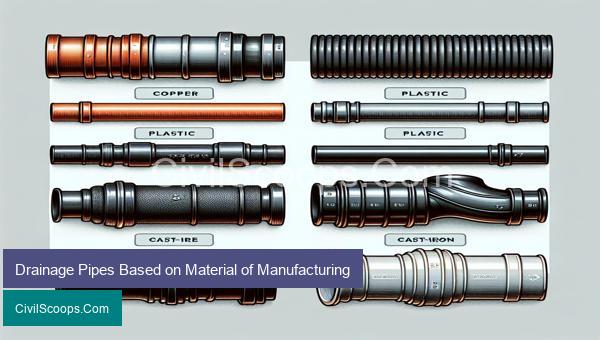
Drainage pipes are an essential part of any civil engineering project, as they collect and remove excess water from the land surface or structures underground. These pipes come in a variety of materials, each with its unique properties and benefits. In this article, we will discuss the common types of drainage pipes based on the material of manufacturing.
1. Clay Pipes
Clay pipes have been used for drainage for centuries and are still widely used in modern construction projects. These pipes are made from naturally occurring clay, which is fired at high temperatures to harden and create a waterproof surface. Clay pipes are known for their durability and strength, making them suitable for both underground and above-ground drainage.
2. Concrete Pipes
Concrete pipes are manufactured by binding a mixture of cement, sand, and aggregates with water. These pipes are highly resistant to corrosion, making them an ideal choice for sewage and drainage systems. Concrete pipes are available in various sizes and can be reinforced with steel for added strength. They are also known for their longevity and can withstand heavy loads, making them suitable for use in high traffic areas.
3. PVC Pipes
PVC (Polyvinyl Chloride) pipes are the most commonly used material for drainage pipes. They are created by polymerizing vinyl chloride monomer, making them lightweight, strong, and easy to handle. PVC pipes are highly resistant to chemical and environmental damage, making them a suitable choice for sewage, stormwater, and other waste drainage systems. They are cost-effective, easy to install, and require minimum maintenance, making them a popular choice for civil engineering projects.
4. HDPE Pipes
HDPE (High-Density Polyethylene) pipes are made of high-density polyethylene material, making them strong, flexible, and resistant to corrosion and chemicals. These pipes are widely used in agricultural and industrial drainage systems due to their ability to withstand heavy loads and pressure. They are also lightweight and easy to transport, making installation and maintenance more manageable.
5. Metal Pipes
Metal pipes such as steel and iron pipes are a common choice for underground drainage and sewage systems. They are durable, corrosion-resistant, and have high strength, making them suitable for carrying heavy water load. Metal pipes are often used for large infrastructure projects, such as construction of buildings, bridges, and highways.
In conclusion, the material of manufacturing plays a vital role in the effectiveness and durability of drainage pipes. Each type of pipe has its unique properties and applications, and the choice of material depends on the specific needs and requirements of the project. It is essential to consider factors such as cost, strength, durability, and resistance to environmental factors when selecting the appropriate drainage pipe for a particular project.
Conclusion
In conclusion, understanding the different types of plumbing pipes used in building construction is crucial for anyone involved in the process of building or renovating a property. Each type has its own unique characteristics that make it suitable for certain purposes, and it is important to carefully consider the requirements and specifications of a project before selecting a specific type of pipe. Whether it is for supply lines, drainage systems, or ventilation, the proper selection and installation of plumbing pipes can greatly contribute to the overall success and functionality of a building. With advancements in technology and materials, the industry continues to evolve, and it is important to stay updated on the latest developments to ensure the most efficient and effective plumbing system for any construction project.