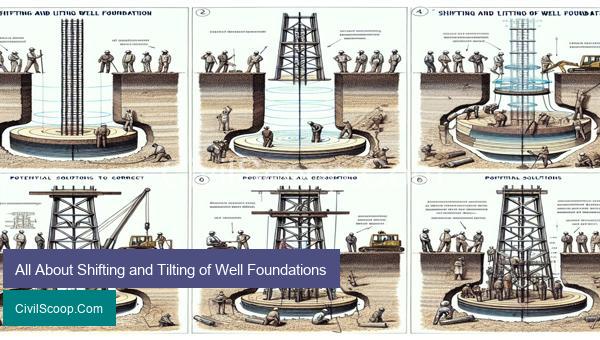
Shifting and tilting of well foundations is a crucial aspect in the construction of offshore structures, such as oil platforms, wind turbines, and bridges. These foundations provide structural support and stability to the above-water structures, making it essential for engineers and contractors to understand the mechanism and factors affecting their shifting and tilting. In this article, we will dive into the basics of well foundations, the reasons for their shifting and tilting, and the methods used to prevent and manage these movements. From practical case studies to theoretical analysis, this article aims to provide an in-depth understanding of this critical aspect of offshore construction. So, let’s dig deeper and delve into All About Shifting and Tilting of Well Foundations.
Table of Contents
Shifting and Tilting of Well Foundations
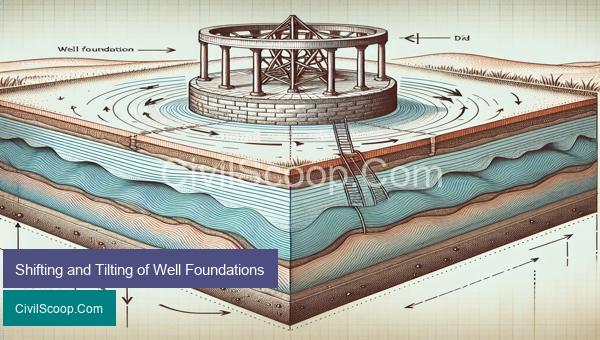
Shifting and tilting of well foundations are two potential problems that can occur during the construction and installation of these structures. Well foundations are often used in civil engineering projects to provide support and stability to structures that are built on soft or unstable soil. They consist of a large concrete or steel caisson that is sunk into the ground and filled with concrete or grout to create a solid base for the structure above.
Shifting refers to the horizontal displacement of the well foundation after its installation. This can happen due to a variety of reasons such as uneven soil settlement, lateral earth pressure, or external forces acting on the structure. If the shifting is severe, it can lead to a misaligned structure or even collapse, causing significant damage and potential safety hazards.
Tilting, on the other hand, is the rotation of the well foundation around its axis. It can occur due to uneven soil settlement, inadequate foundation design, or excessive loads on one side of the structure. If not addressed, tilting can lead to structural damage, and in extreme cases, complete failure.
To prevent shifting and tilting, proper soil investigation and analysis must be done in the planning and design phase of a project. This helps engineers determine the appropriate size, shape, and depth of the well foundation to provide sufficient support and prevent any potential movement. The soil properties, such as bearing capacity, shear strength, and settlement, must also be carefully studied to ensure the well foundation’s stability.
During construction, strict quality control measures must be in place to ensure that the well foundation is installed correctly and without any defects that could cause shifting and tilting. This includes the use of accurate surveying and leveling techniques to ensure the well foundation is placed vertically and horizontally with precision.
In case of any shifting or tilting during or after installation, remedial measures must be taken to correct the problem. This may include adding more grout or concrete, installing additional supports, or excavating the surrounding soil to reduce the external forces acting on the structure.
In conclusion, shifting and tilting of well foundations are potential problems that can occur in civil engineering projects. To prevent these issues, proper planning, design, and construction measures must be taken, and any problems that arise must be promptly addressed to ensure the stability and safety of the supported structure.
Precautions to Prevent Shifting and Tilting

As a civil engineer, it is important to ensure that structures are built to withstand various external forces and remain stable and safe for use. One potential risk to the stability of structures is shifting and tilting, which can occur due to various reasons such as soil movements, seismic activity, or even poor design and construction practices. In order to prevent shifting and tilting, there are several precautions that can be taken.
1. Conduct thorough site investigations: Before any construction work begins, it is crucial to conduct a detailed site investigation to gather information about the geology, soil conditions, and potential risks of the site. This will help in understanding the potential for soil movements or other factors that may cause shifting and tilting.
2. Design for the site conditions: The design of the structure should take into account the site conditions identified during the site investigation. Proper design techniques, such as incorporating a strong foundation, can help prevent shifting and tilting.
3. Consider the type of structure: The type of structure being built also plays a crucial role in preventing shifting and tilting. For example, tall and slender structures are more susceptible to wind and seismic forces, so their design should consider these factors.
4. Proper soil compaction: Adequate soil compaction is essential to ensure the stability of a structure. Improper compaction can lead to differential settlement, causing shifting and tilting of the structure.
5. Slope stabilization: When constructing on sloping sites, it is necessary to stabilize the slopes to prevent potential soil movements. This can be achieved through methods like terracing, constructing retaining walls, or using soil reinforcement techniques.
6. Proper drainage: Adequate drainage is crucial to prevent the accumulation of water around the foundation of the structure. Excessive water can cause soil erosion and instability, leading to shifting and tilting.
7. Quality control during construction: Proper construction practices should be followed to ensure the integrity of the structure. This includes controlling the quality of materials used, proper compaction of soil layers, and accurate placement of the foundation.
8. Regular inspections: It is important to conduct regular inspections during and after construction to identify any potential issues. Any signs of shifting and tilting should be addressed immediately to prevent further damage.
9. Use seismic-resistant design codes: In areas prone to earthquakes, it is essential to follow seismic-resistant design codes to ensure that structures can withstand seismic activity.
10. Seek professional guidance: If there are any concerns about the stability of a structure, it is always advisable to seek guidance from a qualified structural engineer. They can assess the risks and provide recommendations for strengthening the structure.
In conclusion, preventing shifting and tilting requires proper planning, design, and construction practices. By following these precautions, structures can be built to withstand potential risks and ensure the safety and stability of the built environment.
Limitations of Prevent Shifting and Tilting

Prevent shifting and tilting is an important aspect of construction and engineering, especially in the design of tall and heavy structures. It refers to the measures taken to prevent a building or structure from moving or tilting, either due to external forces or natural causes. While these measures are effective in ensuring the stability of a structure, they also have some limitations that must be taken into consideration during the design process.
1. Cost: One of the major limitations of prevent shifting and tilting is the cost involved in implementing these measures. The use of specialized materials, such as deep foundations and expensive bracing systems, can significantly increase the overall cost of a project. This can be a major concern for developers and may impact the feasibility of a project, especially for smaller structures.
2. Time-consuming: The design and construction of preventive measures for shifting and tilting require careful planning and coordination. This can be a time-consuming process, especially for complex and tall structures. The need for constant monitoring and adjustments during construction can also add to the project’s timeline, leading to delays and increased costs.
3. Location specific: The effectiveness of preventive measures also depends on the location of the structure. Some areas are more prone to ground movements due to natural factors such as earthquakes, soil erosion, and landslides. In such cases, specific measures may need to be implemented, adding to the complexity and cost of the project.
4. Limited effectiveness: While prevent shifting and tilting measures can significantly reduce the risk of structural failure, they are not foolproof. These measures can only mitigate the effects of external forces up to a certain extent. In cases of extreme natural disasters or unforeseen circumstances, such as sudden ground movements, these measures may not be enough to prevent structural damage.
5. Maintenance and repair: Preventive measures for shifting and tilting require regular maintenance and monitoring to ensure their effectiveness. This includes periodic inspections, repairs, and replacements of damaged components. These maintenance activities can be costly and may disrupt the normal functioning of a structure.
6. Aesthetic impact: Some of the preventive measures, such as permanent bracing systems and deep foundations, may have a visual impact on the structure’s aesthetics. This can be a concern, especially for historical or culturally significant buildings, where preserving the original appearance is crucial.
In conclusion, while prevent shifting and tilting measures are essential for the stability of structures, they also have some limitations. These limitations must be carefully evaluated during the design process to ensure the most cost-effective and efficient solutions are implemented. Additionally, regular maintenance and monitoring are crucial for the long-term effectiveness of these measures.
Rectifying Methods of Prevent Shifting and Tilting
Rectifying methods of preventing shifting and tilting refer to techniques used in civil engineering to stabilize and correct structures that are experiencing movement or rotation. These methods are crucial in ensuring the safety, functionality, and durability of buildings and other structures.
The following are some of the most common rectifying methods used to prevent shifting and tilting:
1. Soil reinforcement: One of the main causes of shifting and tilting is weak soil or loose fill beneath a structure’s foundation. Soil reinforcement involves strengthening the ground by using techniques such as compaction, soil grouting, and deep foundation methods like pile driving. This helps to increase the soil’s bearing capacity and prevent further movement or rotation.
2. Underpinning: This method involves extending the depth or breadth of a building’s foundation to stabilize an existing structure or to support a new one. This is often used for structures that were not built on suitable ground or have experienced settlement due to changes in soil conditions. Underpinning can be done by creating new footings or installing piers or piles to provide additional support to the foundation.
3. Tiebacks or anchor piles: These are structural elements like rods or cables that are installed underground to stabilize foundation walls and prevent shifting and tilting. They work by transferring the structural load to the surrounding soil, resisting lateral soil movement that could cause the structure to shift or tilt.
4. Grouting: This is the process of injecting grout material into voids or cracks in the soil or structure to fill the empty spaces and stabilize the ground. Grouting is commonly used to improve the soil’s bearing capacity, fill sinkholes, and stabilize structures such as dams and retaining walls.
5. Mass stabilization: This method involves treating and solidifying a large area of soft or unstable soil by mixing it with a binding agent. This creates a strong and stable foundation capable of supporting heavy structures without shifting or tilting.
6. Structural monitoring: Regular monitoring of a structure’s movement and rotation can help detect any early signs of shifting and tilting. This allows for prompt rectification measures to be taken before the problem worsens. Modern technologies such as inclinometers, tilt meters, and laser scanning are commonly used to monitor structures.
In conclusion, rectifying methods of preventing shifting and tilting are essential in ensuring the safety and stability of structures. By determining the cause of the movement and applying the appropriate rectifying technique, civil engineers can effectively prevent any further shifting or tilting and ensure the long-term durability of the structure.
Conclusion
In conclusion, the shifting and tilting of well foundations is a crucial aspect of marine construction and is essential for ensuring the stability and longevity of offshore structures. With the advancements in technology and techniques, engineers are able to accurately predict and control the shifting and tilting of well foundations. Proper design, installation, and monitoring are key to successful shifting and tilting of well foundations. It is important for engineers and contractors to constantly improve their understanding and techniques in this field to ensure the safety and success of offshore projects. By carefully considering the soil conditions, site-specific factors, and applying proper methods, the shifting and tilting of well foundations can be effectively managed, resulting in safe and stable offshore structures. The continuous development and improvement in shifting and tilting