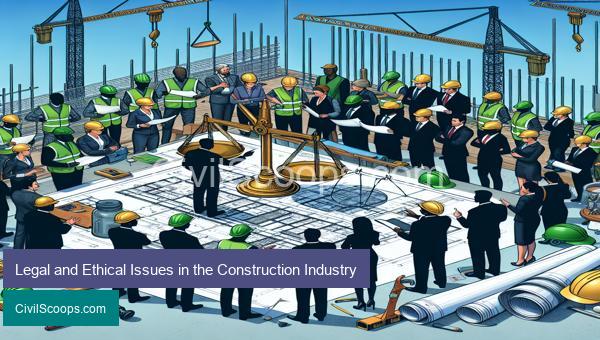
The construction industry plays a crucial role in shaping the physical landscape of our society. From buildings and bridges to roads and pipelines, the construction sector is responsible for the creation of essential infrastructure that we rely on every day.
However, with such a large-scale and complex industry, there are bound to be legal and ethical challenges that arise. In this article, we will explore the various issues that construction companies and professionals face, and the measures they can take to maintain legal and ethical standards in their work.
Understanding and addressing these concerns is crucial for the sustained growth and success of the construction industry.
Table of Contents
Overview of Legal and Ethical Issues in the Construction Industry
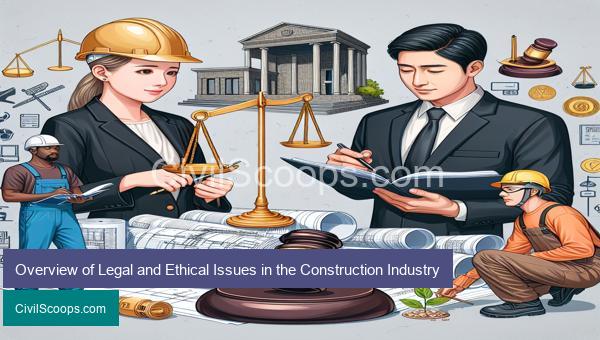
The construction industry is a crucial sector in any economy as it is responsible for developing the infrastructure and buildings that support various activities and contribute to the overall growth of a country.
However, with the complexity and scale of construction projects, there are various legal and ethical issues that arise and need to be addressed.
As a civil engineer, it is important to have an overview of these issues to ensure compliance with laws and regulations and ensure ethical practices in the industry.
Legal Issues in the Construction Industry:
- Contractual Agreements: The construction industry involves multiple parties such as clients, contractors, subcontractors, and suppliers. Therefore, there is a need for detailed contractual agreements to establish the terms and conditions of the project. Issues arise when there are disagreements or breaches of contract, leading to legal disputes and delays in the project.
- Compliance with Codes and Regulations: Construction projects are subject to a myriad of regulations and codes at the local, state, and federal levels. These regulations cover issues like safety standards, environmental impacts, and zoning laws. Failure to comply with these regulations can result in legal penalties, project delays, and even project shutdowns.
- Health and Safety: Construction sites are high-risk workplaces, and accidents can occur if proper safety measures are not implemented. Employers have a legal responsibility to provide a safe working environment for their employees. Failure to comply with safety regulations can result in legal action and hefty fines.
- Intellectual Property Rights: Construction projects involve the use of various designs, plans, and specifications. Intellectual property rights protect these documents, and unauthorized use or distribution can lead to legal consequences.
- Labor Laws: The construction industry employs a large number of workers, and it is essential to comply with labor laws that protect workers’ rights. Violations of labor laws can lead to legal action, fines, and damage to a company’s reputation.
Ethical Issues in the Construction Industry:
- Conflicts of Interest: The construction industry involves multiple stakeholders, and conflicts of interest can arise when one’s personal interests influence project decisions. This could lead to biased decisions, favoritism, and unfair practices.
- Corruption and Bribery: The construction industry is susceptible to corruption and bribery as large sums of money are involved in projects. This unethical behavior can lead to the use of substandard materials and poor workmanship, posing a risk to the project’s quality and safety.
- Environmental Concerns: Construction projects can have a significant impact on the environment, such as air and noise pollution, waste management, and destruction of natural habitats. Ethical practices involve implementing measures to reduce these impacts and promote sustainable construction.
- Diversity and Inclusivity: The construction industry has traditionally been male-dominated, and there have been concerns about gender and racial discrimination. Ethical practices involve promoting diversity and inclusivity in the workplace and providing equal opportunities to all employees.
- Fair Competition: In the construction industry, there is intense competition for projects, and companies may resort to unethical practices such as bid-rigging to gain a competitive advantage. This creates an unfair and dishonest business environment.
Managing Legal and Ethical Issues in the Construction Industry
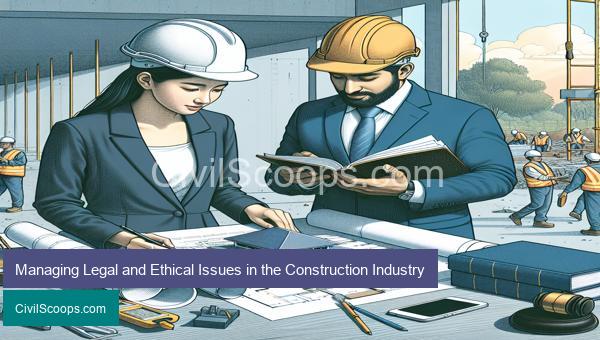
The construction industry is one of the largest and most important sectors of the economy, responsible for building the complex infrastructure that supports our modern society.
However, with such a massive scale of operations, the industry is also prone to a variety of legal and ethical issues.
As a civil engineer, it is essential to be aware of these issues and understand how to manage them in order to ensure the success and integrity of construction projects.
One of the most crucial aspects of managing legal and ethical issues in the construction industry is to understand and comply with relevant laws and regulations.
Construction projects are subject to a vast array of laws, including zoning laws, building codes, environmental regulations, and safety standards.
Failing to adhere to these laws can result in costly legal consequences, project delays, and damage to the reputation of the firm.
In addition to regulatory compliance, it is also essential for civil engineers to uphold high ethical standards in their work.
Ethical issues in the construction industry can include conflicts of interest, bribery and corruption, and quality control.
Engineers must be aware of potential conflicts of interest, such as working for multiple clients with competing interests or accepting gifts from contractors.
Such actions can undermine the objectivity and integrity of the engineering profession and have significant legal consequences.
Construction projects also pose significant environmental challenges, making sustainability a critical ethical consideration.
Civil engineers have a responsibility to design and construct projects that minimize their impact on the environment and promote sustainable practices.
Compliance with environmental regulations, proper waste management, and use of sustainable materials are all essential elements of ethical construction management.
Effective communication and transparency are vital in managing legal and ethical issues in the construction industry.
Collaboration between all stakeholders, including owners, engineers, contractors, and regulators, is essential to ensure compliance and uphold ethical standards.
Open communication and regular reporting can help identify and address issues promptly, mitigating potential legal problems and ethical dilemmas.
In addition to adherence to laws and ethical standards, civil engineers must also prioritize safety in the construction industry. Construction sites are inherently hazardous, and safety violations can result in severe injuries and fatalities.
It is the responsibility of engineers to design projects with safety in mind, educate workers on safety protocols, and enforce safety standards on the construction site.
Conclusion
In conclusion, the construction industry is faced with a number of legal and ethical issues that must be addressed in order to ensure the safety and well-being of all individuals involved.
From providing fair wages and safe working conditions to following building codes and regulations, there is a complex balance to be found between profitability and ethical responsibility.
As society becomes increasingly aware of these issues, it is crucial for construction companies to prioritize ethical practices and comply with laws and regulations in order to maintain a positive reputation and avoid potential legal consequences.
By addressing these issues proactively, the construction industry can continue to grow and thrive while prioritizing the safety and rights of its employees and the community.
What Are Some Common Legal Issues in the Construction Industry?
Legal issues in construction commonly revolve around contractual disputes, compliance with regulations, health and safety concerns, intellectual property rights, and adherence to labor laws.
How Do Conflicts of Interest Affect the Construction Industry?
Conflicts of interest can lead to biased decision-making, favoritism, and unfair practices, influencing project outcomes and potentially compromising integrity.
What Ethical Concerns Are Prevalent in Construction Projects?
Ethical concerns include corruption, bribery, environmental impacts, diversity and inclusivity, and maintaining fair competition within the industry.
How Can Non-Compliance with Legal Standards Impact Construction Projects?
Non-compliance can result in legal disputes, penalties, project delays, shutdowns, damage to a company’s reputation, and even compromise project quality and safety.
How Can the Construction Industry Address Environmental Concerns Ethically?
Ethical approaches include implementing sustainable practices, managing waste effectively, reducing environmental impacts (such as pollution), and using eco-friendly materials.
What Measures Can Civil Engineers Take to Manage Legal and Ethical Issues in Construction?
Civil engineers should prioritize understanding and complying with laws and regulations, maintaining ethical standards, fostering transparent communication, promoting safety, and advocating for sustainable construction practices.
Why Is Ethical Conduct Important in the Construction Industry?
Ethical conduct ensures fair practices, maintains integrity, protects the environment, supports worker rights, fosters healthy competition, and contributes to the overall safety and quality of construction projects.
How Can Construction Companies Balance Profitability and Ethical Responsibility?
Balancing profitability and ethical responsibility involves implementing fair wages, ensuring safe working conditions, complying with regulations, and integrating sustainable practices without compromising quality.
What Role Does Communication Play in Managing Legal and Ethical Issues in Construction Projects?
Effective communication among stakeholders (owners, engineers, contractors, regulators) helps identify, address, and mitigate issues promptly, reducing potential legal problems and ethical dilemmas.
Why Is Prioritizing Safety Crucial in the Construction Industry?
Prioritizing safety is essential to prevent severe injuries or fatalities on construction sites, ensuring the well-being of workers and the overall success of construction projects.
Like this post? Share it with your friends!
Suggested Read –