
Cavitation damage is a common problem in concrete structures, especially those built in hydraulic environments. It is a phenomenon that occurs when small voids or bubbles form in the water near the surface of the concrete and collapse due to pressure changes. These implosions can cause rapid erosion of the concrete surface, leading to a weakening of the structure over time. In this article, we will delve into the causes, characteristics, and potential solutions for cavitation damage in concrete structures. Understanding this destructive process is crucial for engineers and builders in order to prevent and mitigate the detrimental effects of cavitation on concrete.
Table of Contents
Cavitation Damage to Concrete Structures and its Prevention Methods
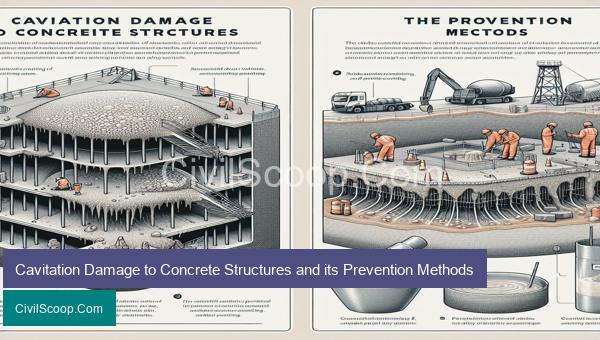
Cavitation is a term used to describe the formation and rapid collapse of small bubbles or cavities in a fluid. This phenomenon occurs when there is a decrease in pressure or an increase in fluid velocity, causing the formation of low-pressure zones which can cause damage to surrounding surfaces, particularly concrete structures.
Concrete is a widely used construction material, known for its strength and durability. However, it is not impervious to cavitation damage. Cavitation can cause significant deterioration to concrete structures, leading to reduced structural integrity, increased maintenance costs, and even structural failure.
Types of Cavitation Damage to Concrete Structures:
1. Surface Erosion: As cavitation bubbles collapse on the surface of concrete, they create tiny craters and pits, resulting in the loss of material. This damage is commonly seen on spillways, chutes, and other hydraulic structures.
2. Internal Erosion: Cavitation can also occur within the concrete itself, causing damage to the internal structure of the material. This can lead to cracking, spalling, and reduced strength and stiffness of the concrete.
3. Vibration Damage: When cavitation bubbles collapse near the surface of a concrete structure, they can cause high-frequency vibrations, which can lead to accelerated fatigue and cracking.
Prevention methods for Cavitation Damage:
1. Increase Concrete Strength: One of the most effective ways to prevent cavitation damage is to increase the strength of the concrete. This can be achieved by using high-strength concrete mixes, incorporating reinforcing fibers, or using additives such as silica fume or fly ash.
2. Proper Design: Proper structural design can help minimize the impact of cavitation on concrete structures. This includes designing structures to withstand high fluid velocities and ensuring smooth transitions between different sections of a structure.
3. Surface Treatments: Applying surface coatings or sealants can help protect the concrete from the erosive effects of cavitation. These treatments can also help reduce surface roughness, which can further reduce the likelihood of cavitation damage.
4. Suitable Concrete Mix Proportioning: The mix design of concrete should be carefully considered when designing structures that are exposed to cavitation. The use of low water to cement ratio and proper aggregate grading can help improve the durability of the concrete.
5. Regular Maintenance: Regular inspections and maintenance can help identify and address any cavitation damage in its early stages, preventing further deterioration.
In conclusion, cavitation can cause severe damage to concrete structures, but it can be prevented through proper design, use of high-strength concrete, and regular maintenance. It is important for civil engineers to consider the potential for cavitation damage when designing concrete structures and to implement preventive measures to ensure their longevity and safety.
Conclusion
In conclusion, cavitation damage is a serious problem that affects many concrete structures, especially those exposed to high-velocity water flow. It can lead to severe structural deterioration, compromising the safety and stability of the affected structures. Proper design and construction techniques, as well as regular maintenance and repair, are crucial in preventing and managing cavitation damage. It is also important for engineers, designers, and contractors to be aware of the factors that contribute to cavitation and implement appropriate measures to mitigate its effects. With the increasing potential for cavitation damage due to climate change and aging infrastructure, it is imperative that we continue to research and develop new technologies and techniques to combat this phenomenon. By understanding the causes and effects of cavitation, we can better protect our