
Lead is a toxic metal that can have severe impacts on our health if consumed. Unfortunately, it can often be found lurking in our drinking water, putting ourselves and our loved ones at risk. In order to protect our health and ensure safe drinking water, it is crucial to understand the risks associated with lead and how to eliminate it from our water sources. In this article, we will explore all the necessary information about lead contamination in drinking water and the steps that can be taken to effectively remove it from our homes.
Table of Contents
How To Eliminate Lead From Your Drinking Water

Lead is a highly toxic metal that can be found in the water supply due to aging pipes, plumbing fixtures, or even natural sources. Exposure to lead in drinking water can have serious health consequences, especially for young children and pregnant women. Therefore, it is essential to eliminate lead from your drinking water to safeguard your health and well-being. Here are some steps that you can follow to remove lead from your drinking water:
1. Identify the source of lead: The first step in eliminating lead from your drinking water is to determine the source of contamination. This can be done by testing your water with a home testing kit or by hiring a professional to conduct a thorough analysis. This will help you to identify the level of lead present in the water and the source of contamination.
2. Install a water filtration system: A water filtration system is one of the most effective ways to remove lead from your drinking water. Look for a system that is specifically designed to remove lead and is certified by the National Sanitation Foundation (NSF). Reverse osmosis and ion exchange systems are highly effective in removing lead from the water.
3. Replace old plumbing: If your home has older plumbing, it is likely that lead is seeping into your drinking water from the pipes. In this case, replacing the old pipes with lead-free ones is the best solution. Consider using copper, PVC, or PEX pipes as they do not contain lead and are resistant to corrosion.
4. Flush your pipes: If replacing your pipes is not an option, you can flush your pipes regularly to remove any accumulated lead. Simply turn on your cold water tap and let it run for a few minutes before using the water for drinking or cooking. This will help to clear out any lead that might have built up in the pipes.
5. Use a lead-removing filter: You can also use a lead-removing filter on your kitchen tap to eliminate lead from your drinking water. These filters are easily available in the market and are specifically designed to remove lead from the water. Make sure to replace the filter regularly as per the manufacturer’s instructions.
6. Keep your water temperature low: Hot water can leach more lead from your pipes, so it is advisable to use cold water for drinking and cooking. Also, avoid using hot water from the tap for making tea, coffee, or cooking food, as it can lead to higher exposure to lead.
7. Regular maintenance of the water heater: If your home has a water heater, it is essential to maintain it properly to prevent lead from getting into your drinking water. Regularly check and flush the heater to remove any accumulated sediment that may contain lead.
In conclusion, eliminating lead from your drinking water is crucial for your health. These steps can help you to reduce your exposure to lead and provide safe drinking water for you and your family. Remember to regularly test your water to ensure that it is free from lead and follow the above measures to maintain the quality of your drinking water.
How Do You Reduce Lead In Water?

Lead is a harmful heavy metal that can be present in water due to various reasons such as old pipes, corrosion, or contamination from industrial sources. Exposure to lead can have serious health effects including damage to the nervous system, kidneys, and reproductive system. Therefore, it is crucial to reduce lead in water to ensure safe and clean drinking water for the public. In this article, we will discuss some effective ways to reduce lead in water.
1. Identify and Replace Lead Pipes: The first step in reducing lead in water is to identify and replace any lead pipes in the water supply system. Lead pipes were commonly used in plumbing systems until the 1970s when the Clean Water Act banned the use of lead in new pipes. However, there are still many buildings that have old lead pipes which can contaminate the water supply. It is essential to replace these pipes with lead-free materials to prevent lead from leaching into the water.
2. Corrosion Control: Another effective method to reduce lead in water is to control the corrosion of pipes and plumbing fixtures. Water with low pH or high levels of dissolved oxygen can cause corrosion of lead pipes and fixtures, which can then contaminate the water. Adding corrosion inhibitors such as orthophosphate can form a protective layer on the pipes and fixtures, preventing lead from leaching into the water.
3. Flush the Pipes: If you are concerned about lead in your water, one simple solution is to flush your pipes before using the water for drinking or cooking. Flushing removes stagnant water that has been sitting in the pipes for a while and may contain higher levels of lead. To flush your pipes, let the water run for at least 30 seconds to 2 minutes before using it.
4. Install a Point-of-Use Filter: Point-of-use filters, also known as faucet-mount filters or pitcher filters, can effectively remove lead from drinking water. These filters use activated carbon, reverse osmosis, or other technologies to trap lead particles and other impurities. It is essential to regularly replace the filter cartridges to maintain their effectiveness.
5. Boil the Water: Boiling water can also reduce the levels of lead in drinking water. However, if your water supply has high levels of lead, boiling may not be effective. Boiling water will only remove pathogens, not lead, so it is better to use other methods to reduce lead in your water.
6. Test the Water: Regular testing of water for lead is crucial to identifying any potential contamination. Home test kits are available to check the levels of lead in your water. If the test results show high levels of lead, it is essential to take appropriate measures to reduce lead in your water supply.
In addition to the above methods, it is essential to follow the guidelines and regulations set by the Environmental Protection Agency (EPA) for lead in drinking water. If you are concerned about the lead levels in your water, consult with a water treatment professional to find the best solution for your specific situation.
In conclusion, reducing lead in water is crucial for ensuring safe and clean drinking water. By identifying and replacing lead pipes, controlling corrosion, flushing pipes, using filters, and regular testing, we can effectively reduce lead levels in our water supply. It is essential to take these measures to protect our health and the health of our communities. As a civil engineer, it is our responsibility to design and maintain water supply systems that provide safe and clean drinking water for all.
Can You Filter Lead Out Of Drinking Water?
Lead is a toxic metal that can have harmful effects on our health if ingested. It is a known neurotoxin that can cause developmental and behavioral issues, especially in young children. One of the common sources of lead exposure is through drinking water. While lead pipes were banned in the United States in 1986, many older homes and buildings still have lead plumbing components, which can contaminate the water supply.
Fortunately, there are ways to filter lead out of drinking water and ensure safe consumption. Below, we will discuss the methods used to remove lead from drinking water.
1. Reverse Osmosis (RO) Filters:
Reverse osmosis is a highly effective method of removing lead from drinking water. It works by forcing water through a semi-permeable membrane, which traps and removes impurities such as lead. RO filters can remove up to 98% of lead in drinking water. However, they can be expensive and require professional installation.
2. Activated Carbon Filters:
Activated carbon filters are another effective way to remove lead from drinking water. These filters use a bed of activated carbon to attract and trap lead particles as water passes through. They are relatively affordable and easy to install, making them a popular choice for home filtration systems. However, they may not be as effective in removing lead as RO filters.
3. Ion Exchange Filters:
Ion exchange filters work by replacing lead ions with non-toxic ions, such as potassium or sodium. These filters are effective in removing lead from drinking water, but they may not be as efficient as RO or activated carbon filters.
4. Distillation:
Distillation is a process that involves boiling water and then condensing the steam back into liquid form. This method can remove most impurities, including lead, from drinking water. However, it requires specialized equipment and can be time-consuming and expensive.
5. Boiling:
Boiling water can also remove lead, but it is not as effective as other methods. It can only eliminate some of the volatile organic compounds (VOCs) present in water, which may include lead. Additionally, boiling water does not remove any solids or heavy metals that may be present.
It is essential to note that not all filters are effective in removing lead from drinking water. When purchasing a water filter, make sure it is certified by a third-party organization, such as NSF International or the Water Quality Association, to remove lead. These certified filters undergo rigorous testing to ensure they meet the standards for lead removal.
Apart from using a filtration system, there are other steps that can be taken to reduce lead exposure through drinking water. Regularly flushing the pipes by running cold water for at least 30 seconds before use can help reduce the levels of lead in the water. It is also important to avoid using hot water for drinking or cooking purposes, as lead leaches more easily into hot water.
In conclusion, it is possible to filter lead out of drinking water using various methods such as reverse osmosis, activated carbon, and ion exchange filters. However, it is crucial to select a certified filter and regularly maintain and replace it to ensure its effectiveness. Additionally, taking preventive measures such as flushing pipes and avoiding hot water can also help reduce lead exposure through drinking water. As a civil engineer, it is our responsibility to ensure safe and reliable drinking water for the public, and implementing these methods can contribute to achieving this goal.
How Do Water Filters Work?
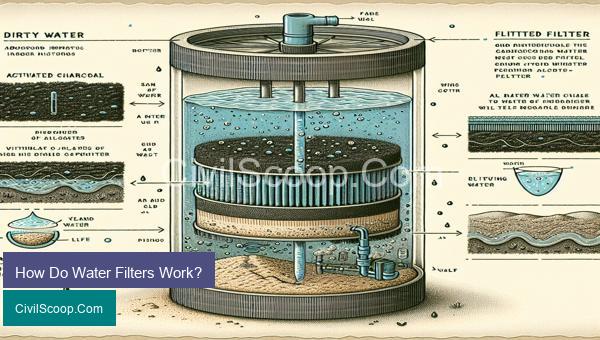
Water filters are devices used to purify water by removing impurities and contaminants. They are essential in ensuring that our drinking water is safe and free from harmful substances. The function and mechanism of water filters vary depending on the type of filter, but the ultimate goal is to produce clean and safe drinking water.
First, let’s define what contaminants are. Contaminants are any physical, chemical, or biological substances that are present in water and can pose a threat to human health. These can include bacteria, viruses, chemicals, heavy metals, and sediment.
Water filters work by passing water through different layers of materials that act as a barrier to capture and remove these contaminants. The materials used in water filters can range from simple cloth to more advanced technologies like activated carbon and reverse osmosis membranes.
The first step in the filtration process is typically a physical barrier, such as a cloth or mesh, which removes larger particles such as dirt, sand, and debris. This step is essential as it helps to prolong the life of the filter and prevents the clogging of subsequent layers.
The next stage is where the actual purification takes place. This step can involve several materials, including activated carbon, which is one of the most commonly used materials. Activated carbon is a highly porous material that has a large surface area for adsorption. When water passes through activated carbon, it traps and absorbs contaminants, including chemicals and organic compounds. This helps to improve the taste and smell of water.
Some filters also use ion exchange resins, which attract and remove dissolved salts and heavy metals like lead, copper, and mercury.
Another common type of filter is a reverse osmosis (RO) filter. RO filters use a semipermeable membrane with tiny pores that only allow pure water molecules to pass through while blocking out larger contaminants. This filtration process removes a wide range of contaminants, including bacteria, viruses, and dissolved salts. RO filters are particularly effective in areas with high levels of salt in the water.
Some water filters also use ultraviolet light to kill bacteria and viruses. The UV light disrupts the DNA of microorganisms, rendering them unable to reproduce and making the water safe to drink.
Once the water has gone through these different layers, it is then stored in a clean container ready for consumption.
It is worth noting that not all water filters are a one-size-fits-all solution. Different filters target specific contaminants, so it is essential to know which contaminants are present in your water source before choosing a filter. This is why water testing is crucial in determining the right type of filter for your needs.
In conclusion, water filters work by using various physical and chemical processes to remove impurities and contaminants from water. They are an essential tool in ensuring that we have access to clean and safe drinking water, and their effectiveness depends on the type of filter used and the contaminants present in the water source. With advancements in technology, water filters are becoming more efficient and accessible, making clean water more accessible to people worldwide.
Install A Water Filter Today And Say Goodbye To Lead In Your Water!

As a civil engineer, one of my main concerns is ensuring that the water supply in our communities is safe and free of harmful contaminants. However, recent reports have revealed that many water systems across the country contain elevated levels of lead, posing a serious health risk to the public.
Lead is a toxic metal that can cause a range of health issues, from behavioral problems and learning disabilities in children to high blood pressure and kidney damage in adults. It can enter the water supply through old pipes, fixtures, and fittings, and exposure to high levels of lead over time can have devastating effects on our health.
To protect ourselves and our families from the dangers of lead in our water, it’s crucial to install a water filter in our homes. Water filters are the most effective way to remove lead and other contaminants from our drinking water. They work by trapping and removing harmful substances as the water passes through different layers of filtration media.
The benefits of installing a water filter are numerous. First and foremost, it helps ensure that the water we consume is clean and safe. By reducing or completely eliminating the lead content in our water, we can protect ourselves and our loved ones from potential health hazards.
Additionally, installing a water filter can save you money in the long run. While bottled water may seem like a convenient solution, it can quickly add up in terms of cost. By investing in a water filter, you can have access to safe and clean drinking water at a fraction of the cost.
Moreover, water filters also benefit the environment. Single-use plastic bottles are a major contributor to plastic pollution, and by using a water filter, you can significantly reduce your plastic waste and help to protect our planet.
Installing a water filter is a relatively simple process, and there are many options available on the market to suit different needs and budgets. You can choose from under-the-sink filters, countertop filters, or even whole-house filters that will provide clean water for all your household needs.
In addition to installing a water filter, it’s also important to regularly maintain and replace the filter as recommended by the manufacturer. This will ensure that the filter continues to function effectively and provide you with clean and safe water.
In conclusion, as a civil engineer, I strongly recommend installing a water filter in your home to protect yourself and your family from the dangers of lead in your water. Not only will it provide you with clean and safe drinking water, but it will also save you money and help to protect the environment. Don’t wait any longer, make the switch to filtered water today and say goodbye to lead in your water!
Conclusion
In conclusion, eliminating lead from your drinking water is crucial for maintaining good health and well-being. While it may seem like a daunting task, there are various steps and methods that can be taken to ensure the safety of your drinking water. From regularly testing your water quality to investing in a filtration system, it is important to be proactive in protecting yourself and your loved ones from the harmful effects of lead exposure. By educating ourselves and taking action, we can all play a role in creating a safer and healthier environment for our communities. So let’s take the necessary steps to eliminate lead from our drinking water and pave the way for a brighter, cleaner future.