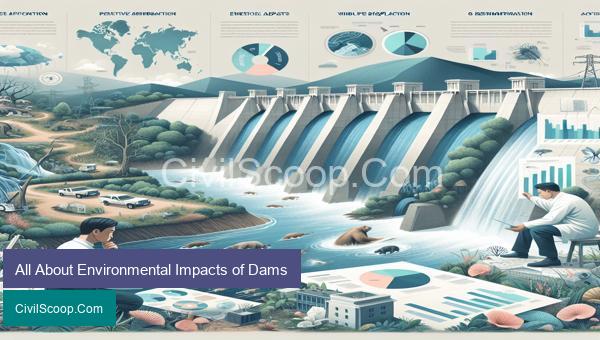
Dams play a crucial role in providing water, power, and flood control for communities all over the world. However, these impressive structures also have significant environmental impacts, both positive and negative. The environmental impacts of dams are complex and interconnected, affecting various aspects of our planet’s ecosystems. In this article, we will explore the diverse environmental impacts of dams, from their benefits to their consequences, and the ongoing efforts to minimize their negative effects on the environment. By understanding the environmental impacts of dams, we can make better-informed decisions about future dam projects and their role in sustainable development.
Table of Contents
Beneficial Environmental Impacts of Dams
Dams play a crucial role in our environment, providing a cost-effective and sustainable solution for managing water resources. While there have been debates about the potential negative effects of dams on the environment, they also offer significant beneficial impacts that cannot be ignored. As a civil engineer, I understand the importance of dams in creating and maintaining a healthy and sustainable environment. In this essay, I will discuss the beneficial environmental impacts of dams.
1. Flood Control
Dams act as a barrier to the flow of water, preventing or minimizing flooding in downstream areas. This helps to protect communities and their resources from the devastating effects of floods. Building dams in flood-prone areas also reduces the need for extensive flood control and management measures, which can be costly and unsustainable.
2. Water Storage and Management
Dams store and regulate water, which is essential for maintaining a healthy and balanced ecosystem. This stored water can be used for various purposes such as irrigation, domestic and industrial use, and hydropower generation. The controlled release of water from the dams ensures a continuous flow of water in downstream rivers, which helps in maintaining the ecological balance of the area. Additionally, dams facilitate the effective management of water resources, preventing water scarcity during dry periods.
3. Hydroelectric Power Production
Dams provide a renewable and sustainable source of energy - hydropower. This clean energy source reduces the reliance on fossil fuels, which contributes to climate change. The construction of dams also creates job opportunities, promoting economic growth and development in the surrounding areas.
4. Soil Erosion Control
Dams help to control soil erosion, which can have detrimental effects on the surrounding environment. The collection of sediment behind the dam reduces erosion downstream, creating a more stable environment for vegetation to grow. This, in turn, reduces the loss of topsoil and the pollution of water bodies.
5. Recreation and Ecotourism
Many large dams have created recreational lakes that offer various activities such as fishing, boating, and water sports. These areas attract tourists and provide economic opportunities for the surrounding communities. In addition, dams often create new habitats for wildlife, which can attract eco-tourism and promote biodiversity.
6. Climate Change Mitigation
Dams can help mitigate the impacts of climate change by regulating and storing water during extreme weather conditions. The stored water can be released during dry periods, which helps to maintain river flow, irrigation, and hydropower generation. Additionally, large dams can also act as carbon sinks and reduce the emission of greenhouse gases by trapping and storing organic matter in reservoirs.
In conclusion, dams have significant beneficial impacts on the environment by providing flood control, water storage and management, clean energy, erosion control, recreational opportunities, and combating climate change. As a civil engineer, it is our responsibility to design and construct dams in an environmentally sustainable manner, taking into consideration the potential impacts on the ecosystem. Proper planning and management of dams can ensure that they continue to provide these benefits for generations to come.
Adverse Environmental Impacts of Dams
Dams are large structures built across rivers and streams to collect and store water in reservoirs. While dams have played a vital role in providing water supply, electricity generation, and flood control, they also have significant adverse environmental impacts. These impacts can be seen in various aspects, such as water quality, ecosystem health, and socio-economic consequences.
One major environmental impact of dams is the displacement and loss of habitats for various aquatic species. Construction of dams creates a barrier that prevents the natural flow of the river, leading to the destruction of vital aquatic habitats. This, in turn, can negatively affect the biodiversity and ecological balance of the surrounding ecosystem. Additionally, the reservoirs created by the dams can also submerge vast areas of land, resulting in the loss of terrestrial habitats for wildlife and displacement of communities living in the affected areas.
The alteration of the natural flow of the river caused by dams can also result in water quality issues. The reduced flow of water downstream can lead to the accumulation of pollutants and sediments, affecting the quality of the water and potentially harming aquatic life. Furthermore, stagnant water in the reservoir can promote the growth of algae, which can have adverse effects on the ecosystem and may also make the water unsuitable for human use.
Dams also have significant socio-economic impacts, particularly on local communities. The construction of large dams often requires the relocation of communities living in the affected areas, resulting in loss of traditional lands and disruption of their way of life. Additionally, dams can also cause changes in the water levels, leading to the loss of agricultural land and fish stocks, which can have severe economic consequences for communities that rely on these resources for their livelihoods.
Another adverse environmental effect of dams is the interference with the natural sediment and nutrient cycles. Dams can trap sediments and nutrients in their reservoirs, preventing them from reaching downstream areas. This can have a significant impact on coastal areas, where these sediments and nutrients are essential for the health of the ecosystems, and can also affect the fertility of agricultural lands downstream.
The construction and operation of dams also require vast amounts of energy and resources, which can have a significant carbon footprint and contribute to climate change. Additionally, the release of greenhouse gases from decomposing organic matter in the reservoir can also contribute to the carbon emissions and further exacerbate the impacts of climate change.
In conclusion, while dams serve many useful purposes, their adverse environmental impacts must not be ignored. It is essential for engineers and policy-makers to consider and mitigate these impacts when planning and constructing dams. This can be done through careful site selection, incorporating fish ladders and fish bypass systems, and implementing effective sediment management strategies. Furthermore, it is crucial to involve local communities and stakeholders in the decision-making process to ensure sustainable and environmentally responsible dam construction and management.
Environmental Impacts of Dams
Dams are important structures that are built for various purposes, such as flood control, water storage, irrigation, and hydropower generation. While they bring many benefits, they also have significant environmental impacts that should be carefully considered.
One of the main environmental impacts of dams is the alteration of natural river flow and water levels. This can result in changes in water temperature, sediment transport, and aquatic habitats for fish and other species. These alterations can disrupt the ecosystem and adversely affect the aquatic life.
Dams also lead to the displacement and relocation of communities living in the area. The construction of a dam often requires the flooding of land, which can displace people and cause social and economic upheaval. This displacement can also lead to the loss of cultural heritage and traditional ways of life.
Another significant impact of dams is the alteration of downstream water quality. Stagnant water behind the dam can accumulate pollutants, causing water pollution downstream. The lack of natural water flow can also result in the proliferation of algae and other aquatic plants, as well as the depletion of dissolved oxygen, which can harm aquatic organisms.
The creation of reservoirs behind dams also results in the loss of valuable land and natural resources. This can include forested areas, agricultural land, and wildlife habitats. The creation of large bodies of water for reservoirs can also lead to the loss of biodiversity and the displacement of wildlife.
Dams can also have an impact on the geological stability of an area. The weight of the water in the reservoir and changes in water levels can induce seismic activity, causing earthquakes and landslides. These activities can damage surrounding infrastructure and pose a threat to communities living downstream.
One of the most significant impacts of dams is the disruption of natural river flow and its impact on downstream communities. Changes in water flow and depletion of water downstream can have severe effects on agriculture, fishing, and other activities that depend on a natural flow of water. This can also lead to conflicts between countries sharing the same river system.
In recent years, there has been an increased recognition of the environmental impacts of dams, leading to the incorporation of environmental impact studies in dam development projects. This has resulted in the implementation of mitigation measures to reduce these impacts, such as fish ladders to help fish bypass dams and the creation of artificial rapids to mimic natural water flow.
In conclusion, while dams bring many benefits, they also have significant environmental impacts that need to be carefully assessed and managed. It is essential that environmental considerations be taken into account during the planning, construction, and operation of dams to minimize their negative effects on the environment and local communities.
Conclusion
In conclusion, the impact of dams on the environment can be both positive and negative. While they provide numerous benefits such as flood control, electricity generation, and irrigation, they also disrupt the natural flow of rivers and ecosystems. It is essential for governments and organizations to carefully assess the environmental impacts of dams and take necessary steps to mitigate any negative effects. This can include proper planning and designing, implementing regulations and guidelines, and incorporating sustainable practices. Moreover, involving local communities in decision-making processes and considering the impacts on indigenous populations is crucial. By recognizing and understanding the environmental impacts of dams, we can work towards balancing the benefits and consequences of these structures and strive towards more sustainable and responsible use of water resources. Only by working together can we ensure a better