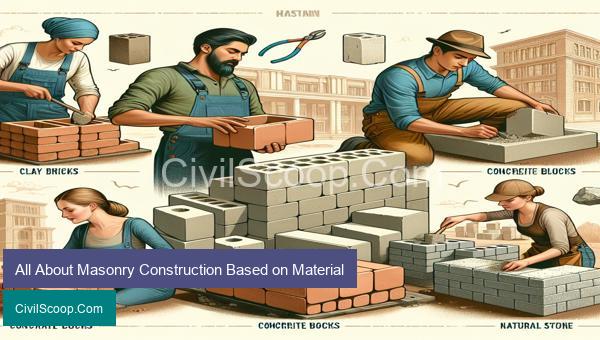
Masonry construction has been an essential building technique used for centuries, and it continues to be favored in modern construction projects. While many may associate masonry with just brick and mortar, there are actually various materials and techniques involved in this type of construction. In this article, we will dive into all things masonry and explore the different materials used, their unique properties, and how they are incorporated into the construction process. Whether you are a homeowner planning to build a brick patio or a construction professional looking to gain a better understanding of masonry, this article will provide valuable insights into the world of masonry construction. So, let’s get started and learn all about masonry based on materials.
Table of Contents
Types of Masonry Construction Based on Material
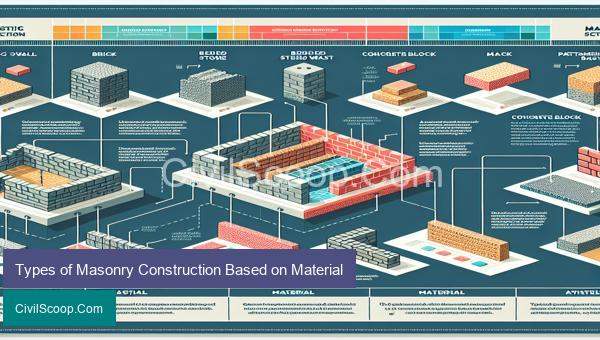
Masonry construction is a widely used method in civil engineering and architecture, where materials such as bricks, stones, concrete blocks, or glass blocks are used to create a structure. Masonry construction plays a major role in the construction industry due to its durability, strength, and fire resistance capabilities. There are different types of masonry construction, based on the material used. In this article, we will discuss the three main types of masonry construction based on material – brick masonry, stone masonry, and concrete masonry.
1. Brick Masonry:
Brick masonry is the most common type of masonry construction, where bricks made of clay or a clay mixture are used to build walls, arches, and other structures. These bricks are available in different sizes, shapes, and colors depending on their manufacturing process. These bricks are laid in a specific pattern using mortar to bind them together. The most commonly used types of brick masonry are:
- Flemish Bond: In this type, bricks are laid in alternate header (short end) and stretcher (long end) courses, creating a pattern of headers and stretchers on each row.
- English Bond: This type has alternate rows of header and stretcher courses, creating a pattern of headers and stretchers on every other row.
- Common Bond: In this type, bricks are laid in stretcher courses with every sixth course being a header course.
2. Stone Masonry:
Stone masonry is a type of construction where natural stones like granite, limestone, sandstone, or marble are used as building blocks. These stones are either obtained from quarries or collected from river beds and are cut to the desired size and shape. The different types of stone masonry are:
- Rubble Masonry: In this type, stones are used in their natural form with irregular shapes and sizes, and are bound together with mortar.
- Ashlar Masonry: In this type, stones are cut to uniform sizes and shapes, with their faces smoothed and finished to give a more aesthetically pleasing appearance.
- Coursed Ashlar Masonry: This type is similar to ashlar masonry, but with a more defined pattern, where stones are laid in horizontal courses with their vertical joints aligned.
3. Concrete Masonry:
Concrete masonry is a type of construction where concrete blocks are used to build structures. These blocks are made of cement, aggregates, and water and can be either hollow or solid. These blocks are available in various sizes, shapes, and textures, giving architects and engineers a wide range of design options. The different types of concrete masonry are:
- Hollow Concrete Masonry: These blocks have hollow cavities that reduce their weight and provide insulation.
- Solid Concrete Masonry: These blocks are denser and heavier, suitable for load-bearing walls and structures.
- Stretcher Concrete Masonry: These blocks are similar to bricks, where they are laid in stretcher courses with every sixth course being a header course.
In conclusion, masonry construction offers versatile options for builders and designers due to its various types and materials used. Each type serves its unique purpose, and the selection of the type of masonry depends on various factors such as the function of the structure, budget, and architectural preferences.
1. Brick Masonry Construction
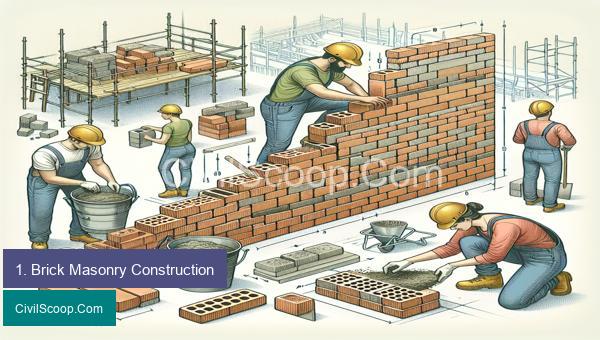
Brick masonry construction is a building technique that has been used for thousands of years. It involves laying bricks, which are small rectangular blocks made of clay or other materials, in rows to create walls, arches, and other structures. It is a popular method of construction due to its durability, strength, and aesthetic appeal.
The process of brick masonry construction starts with the selection of suitable bricks. Bricks should be of good quality, uniform in size and shape, and free from cracks and other defects. Once the bricks are selected, they are laid out in a pattern called the bond. The bond is a series of overlapping rows that distribute the weight of the structure evenly and increase its stability. Different types of bonds are used depending on the structural requirements and desired appearance of the building.
Brick masonry construction requires skilled labor to ensure the structural integrity and aesthetic appeal of the building. A brick mason, also known as a bricklayer, is a trained professional who specializes in this type of construction. They use various tools such as trowels, levels, and jointers to lay bricks in a precise and uniform manner. They also use mortar, a mixture of cement, sand, and water, to bind the bricks together. This creates a strong and stable wall that can withstand external forces such as wind, rain, and earthquakes.
One of the major benefits of brick masonry construction is its durability. Brick structures have stood the test of time and can last for centuries if properly maintained. They are resistant to fire, pests, and rot, making them ideal for construction in different climates. Bricks also have a high compressive strength, meaning they can withstand heavy loads without cracking or collapsing.
In addition to its strength and durability, brick masonry construction also offers a wide range of design possibilities. Bricks come in different colors, textures, and sizes, allowing for creativity and customization. They can be arranged in various patterns to create intricate designs and add aesthetic appeal to the building. This versatility makes brick masonry a preferred choice for both functional and decorative purposes.
Maintaining a brick masonry structure is relatively easy and inexpensive. Regular cleaning and repointing, which involves repairing the mortar joints, can significantly increase the lifespan of the building. The natural texture and color of bricks also tend to improve with age, giving the building a timeless and classic look.
However, like any other construction method, brick masonry has its limitations. It is labor-intensive, which can increase the overall cost of construction. The weight of bricks also limits the height and size of structures that can be built without additional reinforcement. Moreover, the quality of materials and workmanship is crucial in ensuring the structural integrity and longevity of a brick masonry building.
In conclusion, brick masonry construction is a time-tested method that offers a combination of strength, durability, and aesthetic appeal. It requires skilled labor and proper maintenance to ensure the longevity and stability of the structure. With its versatility and timeless beauty, it is no surprise that brick masonry is still a popular choice for construction projects worldwide.
2. Stone Masonry Construction
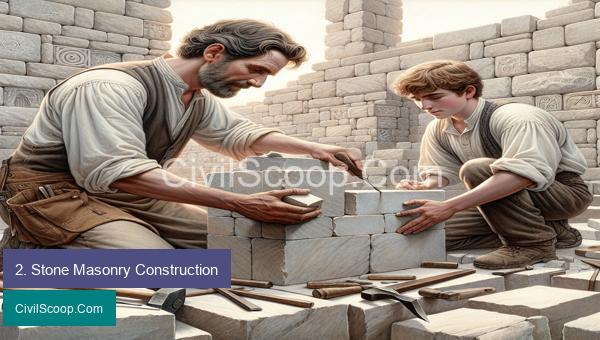
Stone masonry construction is one of the oldest and most enduring forms of building construction. It involves the use of stones, typically of various sizes and shapes, to create structures such as walls, arches, and even entire buildings. This construction method has been used for thousands of years and can be found in various architectural styles all over the world.
The process of stone masonry construction involves carefully selecting and cutting stones to fit together in a precise and stable manner. This requires a high level of skill and knowledge from the masons involved in the construction. The tools used for stone masonry include chisels, hammers, and wedges, which are used to shape and carve the stones into the desired shapes and sizes.
There are two common types of stone masonry construction: rubble masonry and ashlar masonry. In rubble masonry, irregular shaped stones are used, whereas in ashlar masonry, the stones are cut into regular shapes and laid in horizontal courses. Ashlar masonry is considered to be a more refined and precise form of stone masonry and is often used for decorative purposes.
One of the main advantages of stone masonry construction is its durability. Stone structures have been known to withstand the test of time, with some ancient stone buildings still standing strong today. The natural strength of stones, combined with the careful construction techniques used by masons, make stone masonry buildings resistant to weathering and decay.
Stone masonry construction also offers a unique aesthetic appeal. The use of natural stones creates a timeless and visually appealing look, which can enhance the overall appearance of a building or structure. Additionally, the use of different types of stones, such as marble, granite, or limestone, can add a variety of colors and textures to the construction.
However, one of the main challenges of stone masonry construction is the high cost of materials and labor. Stones are heavy and require specialized equipment for transportation and lifting, making it a time-consuming and labor-intensive process. Additionally, finding skilled masons who have the necessary knowledge and experience in stone masonry can be a challenge.
In recent years, technology has aided in the advancement of stone masonry construction. Laser-guided cutting tools and cranes have made the process more efficient and accurate, reducing the labor time and costs involved.
In conclusion, stone masonry construction is a traditional building method that offers durability, strength, and aesthetic appeal. It requires skilled masons and specialized tools, making it a relatively expensive option. However, when done correctly, it can result in timeless and visually stunning structures that stand the test of time.
3. Concrete Masonry Construction
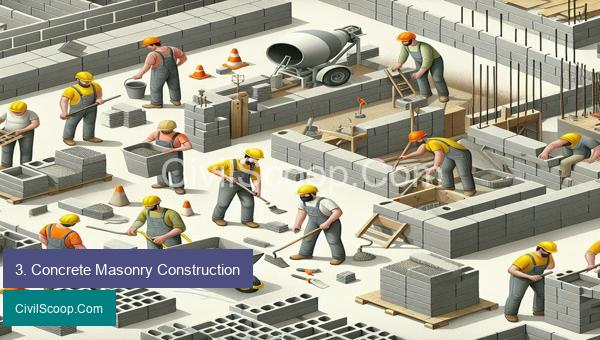
Concrete masonry construction, also known as concrete block construction, is a popular building method used for both residential and commercial structures. This construction technique involves using precast concrete blocks, also known as concrete masonry units (CMUs), to create walls and other elements of a building. This method offers several benefits, including strength, durability, and cost-effectiveness, making it a preferred choice for many construction projects.
Here are three key aspects of concrete masonry construction to consider:
1. Materials and Process
The primary material used in concrete masonry construction is concrete. This material is made by mixing cement, aggregates such as sand and gravel, and water. The resulting mixture is poured into molds, then cured and hardened to create the concrete blocks. CMUs come in various sizes, shapes, and textures, giving architects and builders flexibility in design options.
The construction process starts with laying a concrete foundation and then building up using CMUs. These blocks interlock easily, creating a strong and stable wall structure. Mortar, a mixture of cement, sand, and water, is used to bond the blocks together, providing structural integrity. The walls are then reinforced with steel rods to enhance their strength.
2. Strength and Durability
One of the main benefits of concrete masonry construction is its strength and durability. Concrete is a strong and robust material, making it able to withstand high winds, impacts, and other forces. The combination of concrete blocks, mortar, and steel reinforcement creates a solid and sturdy structure that can last for decades.
In addition, concrete is resistant to fire, rot, and insects, making it a low-maintenance building material. This makes concrete masonry construction a popular choice for structures in areas prone to natural disasters, as it can provide better protection and withstand severe weather conditions.
3. Cost-effectiveness
Concrete masonry construction is also a cost-effective building method. Compared to other construction materials like wood or steel, concrete masonry units are relatively inexpensive. Additionally, the modular nature of CMUs makes them easy to transport and install, reducing labor costs.
Moreover, concrete is an energy-efficient material, as it has excellent thermal mass properties. This means it can absorb and retain heat, reducing heating and cooling costs for the building. With proper maintenance, concrete masonry construction can provide long-term cost savings for building owners.
In conclusion, concrete masonry construction is a reliable and cost-effective building method that offers strength, durability, and design flexibility. It is widely used for various types of structures, from homes and schools to commercial buildings and industrial facilities. With its numerous advantages, it is likely to remain a preferred building technique for many years to come.
4. Veneer Masonry Construction
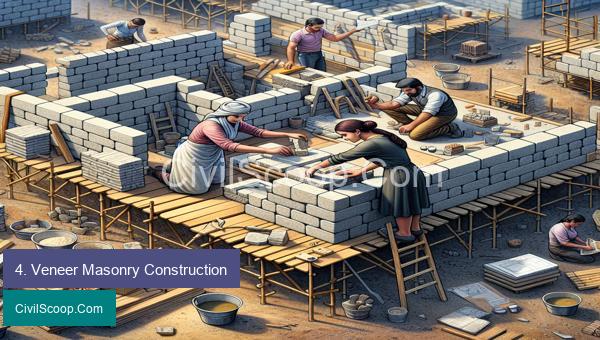
Veneer masonry construction is a popular method used in civil engineering to create a decorative and aesthetic finish on the exterior walls of buildings. It involves the application of a thin layer of masonry material, typically brick, stone, or stucco, to the surface of a building’s structural wall.
There are several benefits to using veneer masonry in construction. The first and most obvious benefit is its aesthetic appeal. Veneer masonry can be customized to match any architectural style, giving buildings a unique and attractive appearance. It also adds texture and depth to the facade of a building, making it stand out from others in the surrounding area.
Another advantage of using veneer masonry is its cost-effectiveness. Compared to traditional solid masonry construction, veneer masonry is more affordable because it requires less material and labor. This makes it a popular choice for residential and commercial projects with limited budgets.
Veneer masonry is also a lightweight construction method, which helps reduce the overall weight of a building. This is beneficial in areas with poor soil conditions or areas prone to earthquakes, as it puts less stress on the foundation of the building.
In addition to its aesthetic and cost benefits, veneer masonry also offers practical advantages. It is a durable and weather-resistant building technique, providing protection against harsh elements. It is also low maintenance, requiring minimal upkeep and repairs over time.
The construction process for veneer masonry involves attaching the masonry material to a metal frame or wire mesh attached to the building’s structural wall. The material is then secured in place with mortar or adhesive. This method allows for flexibility and adaptability, as the masonry veneer can be installed on almost any type of surface, including wood, concrete, and steel.
However, it is essential to note that veneer masonry is not a structural component of a building and should not be relied upon for support. It is purely decorative and does not contribute to the overall strength or stability of the structure.
In conclusion, veneer masonry construction is a versatile and cost-effective method used in civil engineering to enhance the appearance of buildings. Its numerous benefits, including its aesthetic appeal, cost-effectiveness, and practicality, make it a popular choice for construction projects. As a civil engineer, understanding the various construction techniques, including veneer masonry, is crucial to designing and building safe, durable, and visually appealing structures.
5. Gabion Masonry Construction
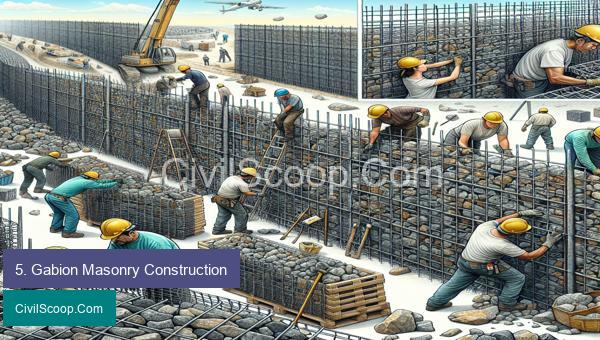
Gabion masonry construction is a popular method for creating sturdy and durable structures in civil engineering. It involves the use of wire mesh containers, known as gabions, filled with durable materials such as rocks, stones, and concrete to create structures such as retaining walls, sound barriers, and erosion control systems. In this article, we will discuss five key aspects of gabion masonry construction.
1. History of Gabion Construction
The use of gabions can be traced back to ancient civilizations where they were used to protect castles and fortresses from attacks. However, the modern-day gabion construction techniques were developed in the late 19th century by the French engineer, Henry Losseau. It gained popularity during World War I when they were used to construct military fortifications. Since then, gabion masonry construction has evolved and become a widely used method in civil engineering projects.
2. Materials Used in Gabion Masonry Construction
The main material used in gabion masonry construction is the wire mesh containers, which are usually made of galvanized steel. Galvanization makes the containers resistant to corrosion, ensuring the longevity of the structures. Other materials used in gabion construction include rocks, stones, and concrete. These materials are chosen for their durability, strength, and ability to withstand harsh environmental conditions.
3. Advantages of Gabion Masonry Construction
Gabion masonry construction offers several advantages over traditional masonry methods. First, it is a cost-effective method as gabion materials are readily available and do not require special skills or heavy machinery for installation. Additionally, the use of gabions allows for the creation of flexible structures that can easily adapt to changing environmental conditions. This makes them ideal for erosion control systems. Furthermore, gabion structures are aesthetically pleasing and can be easily integrated into the surrounding landscape.
4. Construction Process of Gabion Masonry
The construction process of gabion masonry involves several steps. The first step is to clear and level the construction site. Then, the wire mesh containers are assembled to the desired shape and size. These containers are then filled with rocks, stones, or concrete and carefully stacked on top of each other. In order to create a stable and strong structure, gabions are usually placed in a stepped pattern and are interconnected with wires or clips. The final step involves backfilling the gabions with soil to create a stable and natural appearance.
5. Applications of Gabion Masonry Construction
Gabion masonry construction is a versatile method that can be applied in various civil engineering projects. One of the most common uses of gabions is for the construction of retaining walls. The flexibility and strength of gabions make them ideal for stabilizing slopes, preventing erosion, and creating barriers against floodwaters. Additionally, gabion structures are used for sound barriers, bridge abutments, and landscaping features.
In conclusion, gabion masonry construction is a highly effective and efficient method for creating sturdy and durable structures in civil engineering. Its long history, use of durable materials, cost-effectiveness, and flexibility make it a preferred choice for various applications. With advancements in technology and design, gabion construction is expected to continue to play a significant role in the construction of modern infrastructure projects.
6. Composite Masonry Construction
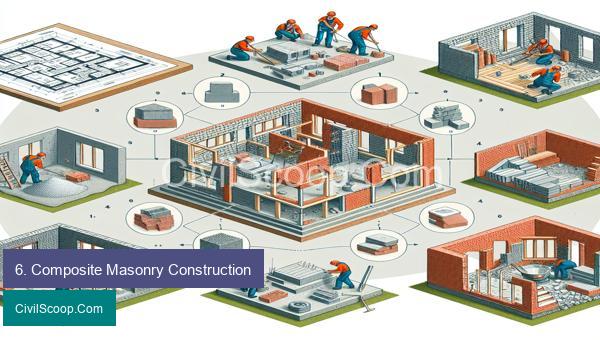
Composite masonry construction is a method of building that incorporates two different types of masonry materials to create a stronger and more durable structure. It is a popular choice for various types of buildings, ranging from residential homes to commercial and industrial structures.
The two main elements of composite masonry construction are brick or stone masonry and concrete masonry. Brick or stone masonry is used to create the outer walls, while concrete masonry is used for internal walls, floors, and other load-bearing structures. Other materials such as steel, timber, and reinforcement bars can also be incorporated to enhance the strength of the structure.
One of the main advantages of composite masonry construction is its ability to combine the best properties of the two materials. Brick or stone masonry provides excellent compressive strength and durability, while concrete masonry offers better tensile strength and resistance to fire and moisture.
The construction process for composite masonry typically begins with the installation of a solid foundation, followed by the erection of the brick or stone walls. These walls are then reinforced with steel and filled with concrete masonry. This creates a load-bearing structure that can support the weight of the building and withstand different types of forces.
Composite masonry construction is also known for its good insulation properties. The air pockets within the brick or stone masonry walls act as natural insulation, while the concrete masonry provides additional insulation to keep the building cool in summer and warm in winter.
Another benefit of composite masonry construction is its versatility in terms of design and aesthetics. Brick and stone masonry offer a wide range of colors, patterns, and textures which can be combined to create unique and visually appealing structures. This allows for more creativity and customization in building design.
Moreover, the use of locally available materials in composite masonry construction makes it a sustainable and cost-effective choice for building. It also requires less maintenance and has a longer lifespan compared to other construction methods.
However, there are also some challenges and considerations to be taken into account when using composite masonry construction. One of the main concerns is the weight of the structure, which can be significant and may require additional reinforcement and support. The compatibility of the two masonry materials also needs to be carefully evaluated to ensure they bond well and do not cause any structural issues.
In conclusion, composite masonry construction offers a great option for building strong, durable, and energy-efficient structures. With its combination of different materials, it provides a balance of aesthetic appeal and structural integrity. As a civil engineer, understanding the principles and techniques of composite masonry construction is essential in designing and constructing safe and functional buildings.
Conclusion
In conclusion, masonry construction is a tried and true method of building that has been used for centuries. It involves using materials such as brick, stone, and concrete to create durable and long-lasting structures. Each material has its own unique qualities and benefits, making it important for builders to carefully consider which material is best for a particular project. From the striking visual appeal of brick to the strength and versatility of concrete, masonry construction offers a wide range of possibilities for architects, contractors, and homeowners alike. By understanding the different materials and their uses, we can continue to appreciate and utilize the art of masonry construction for generations to come.