
Cold weather masonry construction is a challenging yet essential aspect of the construction industry. It refers to the process of constructing masonry structures in low temperatures, which is often necessary in regions with harsher climates. While the construction industry may slow down during the winter season, it is still crucial to continue masonry projects to meet project deadlines and avoid potential delays. This is where having a well-planned and executed plan for cold weather masonry construction comes into play. In this article, we will discuss all the key elements of a successful plan for cold weather masonry construction to ensure a safe and efficient construction process.
Table of Contents
How to Plan for Cold Weather Masonry Construction?
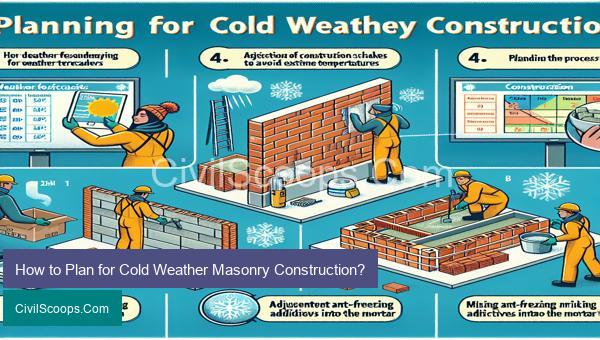
Construction projects in cold weather can be challenging, especially when it comes to masonry work. The freezing temperature and harsh weather conditions can adversely affect the quality and durability of masonry structures. However, with proper planning and preparation, it is possible to successfully carry out masonry construction in cold weather. Here are some essential steps to plan for cold weather masonry construction.
1. Develop a Detailed Construction Plan:
Before starting any construction work, it is crucial to have a detailed plan in place. This includes a complete understanding of the project, specifications, and timelines. In the case of cold weather masonry construction, the plan needs to include specific steps to combat the challenges posed by low temperatures. The plan should also include contingency measures in case of unforeseen weather changes or delays.
2. Consider Temperature Limits:
When planning for cold weather masonry construction, it is essential to know the temperature limits for masonry materials. For instance, mortar should not be used if the temperature is below 40°F. You should also avoid placing concrete below 20°F. Knowing these temperature limits will help you schedule your work accordingly, ensuring that the materials are not affected by the cold weather.
3. Protect the Site and Materials:
Cold weather construction requires extra care to protect the site and materials from harsh weather conditions. This includes covering masonry materials with insulated blankets or tarps to prevent them from freezing. It is also crucial to have the site cleared of any snow or ice before construction begins, as these can affect the quality of the construction.
4. Use Appropriate Mix Design:
Masonry materials, such as mortar and concrete, should be mixed with appropriate additives to make them resistant to cold weather. These additives help in reducing the water content of the mix, as excess water can cause the masonry to crack and fail. Using air-entraining agents can also help to improve the workability and durability of the mix in cold weather.
5. Utilize Heating Methods:
To maintain the required temperature for masonry construction, it may be necessary to use heating methods. This can include the use of heated enclosures or insulating blankets. Heaters should be placed at the work site to keep the temperature above the recommended limits for the materials being used. However, it is crucial to ensure that the heating does not damage the masonry or mortar.
6. Monitor Curing Period:
Curing is a crucial stage in masonry construction, as it helps to achieve the desired strength and durability of the structure. In cold weather, curing can take longer, and it is essential to monitor the temperature and moisture levels during this period. It may be necessary to cover the structure with insulating blankets or heating to maintain the required temperature for proper curing.
In conclusion, cold weather masonry construction requires careful planning, preparation, and implementation. It is crucial to work closely with the project team and monitor the temperature and weather conditions to ensure the successful completion of the project. By following these steps and taking necessary precautions, you can overcome the challenges posed by cold weather and achieve a high-quality masonry structure.
Effect of Cold Weather on Masonry Mortar

Masonry mortar is an important component in the construction of buildings, roads, and other structures. It is a mixture of cement, sand, and water that acts as a binding agent for masonry units such as bricks, blocks, or stones. While the properties of mortar may vary depending on its composition, one factor that can greatly affect its performance is the temperature. In this article, we will discuss the effects of cold weather on masonry mortar and how it can impact construction.
Decrease in Strength and Workability
One of the most significant effects of cold weather on masonry mortar is a decrease in strength and workability. As the temperature drops, the water in the mortar mix can freeze, causing the mortar to lose its plasticity and become stiff. This makes it difficult to spread and adhere to masonry units, which can lead to weak joints and reduced bond strength between the units. Additionally, freezing water can cause cracks and voids to form in the mortar, further weakening its structure and reducing its load-bearing capacity.
Delayed Setting Time
Cold weather can also delay the setting time of masonry mortar. The chemical reaction between cement and water, known as hydration, is responsible for the hardening of mortar. However, in cold temperatures, the hydration process slows down significantly, resulting in a longer setting time. This delay can cause work to be interrupted and may result in construction delays, especially if the temperature remains low for an extended period.
Increased Mortar Consumption
In order to compensate for the lack of workability and setting time, workers tend to use more masonry mortar in cold weather. This can increase the overall cost of the project and also result in excess material wastage. Additionally, in order to maintain a consistent mix, workers may add more water to the mortar, leading to a weaker and less durable product.
Cracking and Shrinkage
As mentioned earlier, freezing water in masonry mortar can lead to cracks and voids. These defects can allow water to seep into the mortar, causing further damage when it freezes and expands. Moreover, as the mortar dries, it can shrink and pull away from the masonry units, resulting in weaker bonds between them. This can also create gaps in the joints, leaving the structure susceptible to water infiltration and weather damage.
Preventive Measures
To mitigate the effects of cold weather on masonry mortar, it is crucial to take preventive measures during construction. One effective method is to add an anti-freeze agent such as calcium chloride to the mortar mix. This chemical additive lowers the freezing point of water, preventing the mortar from freezing in low temperatures.
Another preventive measure is to ensure that all materials, including sand and water, are stored in a warm environment before use. This will help maintain the temperature of the mortar mix and prevent it from freezing before it can be applied.
In conclusion, cold weather can have a significant impact on the performance of masonry mortar. It is essential for construction workers and contractors to be aware of these effects and take necessary precautions to ensure the quality and durability of their work. By following proper construction practices and using appropriate techniques, the negative effects of cold weather on masonry mortar can be minimized, resulting in a strong and long-lasting structure.
Storing and Handling Materials for Masonry Construction in Cold Weather

In masonry construction, storing and handling materials properly is crucial to ensuring the quality and integrity of the building. This is especially important in cold weather conditions, where materials can be more susceptible to damage and workability can be affected. Here are some important considerations for storing and handling materials for masonry construction in cold weather.
1. Temperature and moisture control
Cold weather can cause materials such as bricks, blocks, and mortar to freeze, which can compromise their strength and performance. It is important to store these materials in a sheltered area that is protected from the elements. A temperature-controlled storage area can also help prevent freezing and moisture buildup, which can affect the quality of the materials.
2. Protection from harsh conditions
In addition to freezing temperatures, masonry materials should also be protected from other harsh weather conditions such as strong winds and heavy rain. Strong winds can cause lightweight materials such as bricks and blocks to blow away, and heavy rain can cause erosion and damage to the materials. Using tarps or covers can provide protection against these elements.
3. Proper handling techniques
When handling materials for masonry construction in cold weather, it is important to follow proper techniques to prevent damage and ensure workability. Bricks and blocks should be handled gently to avoid cracking or chipping. Mortar should be kept warm and well-mixed to prevent it from becoming stiff and difficult to work with.
4. Pre-warming materials
Before using materials in masonry construction, it is recommended to pre-warm them to prevent them from freezing and to improve the workability of the materials. This can be done by storing the materials in a heated area for a period of time before use. The ideal temperature for materials to be stored at before use is around 70 degrees Fahrenheit.
5. Using insulating materials
Insulating materials such as blankets or straw can be used to cover the materials and protect them from extreme cold. This is especially important for mortar, which can freeze if it is left exposed to cold temperatures for an extended period of time. Covering the materials can also help maintain a consistent temperature and prevent moisture buildup.
6. Regular material checks
During cold weather, it is important to regularly check the stored materials for any signs of damage or degradation. If any damage is found, it should be addressed immediately to prevent further issues. Regularly checking the materials can also help ensure that they are being stored properly and allow for any necessary adjustments to be made.
In conclusion, proper storing and handling of materials is essential for masonry construction in cold weather. By following these guidelines and taking the necessary precautions, the materials can be kept in optimal condition and the construction process can be completed successfully.
Mixing Mortar for Cold Weather Masonry

Mixing mortar for cold weather masonry can be a challenge, as low temperatures can affect the setting and strength of the mortar. However, by following proper mixing techniques and using the right materials, quality cold weather mortar can be achieved.
The first step in mixing mortar for cold weather masonry is to choose the right materials. The type of cement, aggregate, and water used can greatly impact the performance of the mortar. In cold weather, it is important to use cement that has low heat requirements, such as Type I Portland cement. This will prevent the mortar from setting too quickly in colder temperatures. Additionally, using high-quality aggregates that are free from excess moisture and debris will ensure proper bonding and strength in the mortar.
Once the materials are selected, it is crucial to mix the mortar properly. The most important factor in mixing mortar for cold weather is the water-to-cement ratio. In cold temperatures, the water in the mix can freeze and expand, causing cracks and weakening the mortar. Therefore, it is recommended to use the minimum amount of water necessary to achieve a workable consistency. The ideal consistency of mortar for cold weather should be thick and stiff, almost like peanut butter.
Mixing should be done in small batches using a mechanical mixer. This will ensure that the materials are well blended and prevent excessive heat buildup, which can also affect the strength of the mortar. It is important to mix the mortar for a longer period in cold weather, as it takes more time for the cement to hydrate and for the mortar to reach its full strength. It is recommended to mix for at least 5 minutes, or until the mortar reaches a smooth and uniform consistency.
Another crucial factor in mixing mortar for cold weather is the temperature of the materials. It is important to keep the materials, especially the water, at a temperature above 40°F throughout the entire mixing process. Cold water or aggregates can significantly decrease the strength and workability of the mortar.
In addition to proper mixing, the storage and protection of the mortar during and after mixing is important in cold weather. Mortar should be covered and stored in a warm area to prevent freezing and to allow the cement to fully hydrate. Prewarming the bricks or blocks before laying them with the mortar can also help prevent freezing and improve adhesion.
In summary, the key to mixing mortar for cold weather masonry is to use the right materials, mix properly, and protect the mortar from freezing. By following these guidelines, strong, durable and weather-resistant mortar can be achieved, even in the coldest temperatures. It is also important to consult with local building codes and standards for specific recommendations and requirements for cold weather masonry.
Protecting New Masonry Structures from Cold Weather
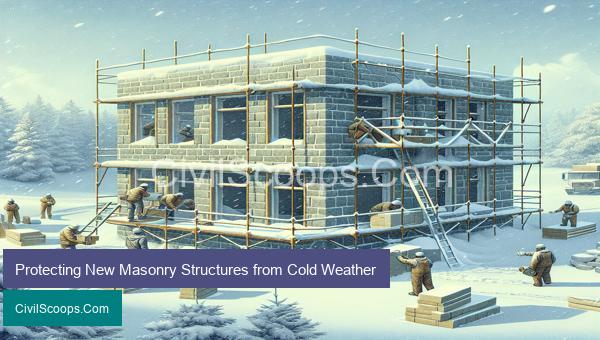
Masonry structures are commonly used in construction projects due to their durability, strength, and aesthetic appeal. However, these structures are susceptible to damage when exposed to extreme weather conditions, particularly cold weather. As a civil engineer, it is crucial to understand the potential risks and implement proper measures to protect new masonry structures from the effects of cold weather.
Effects of Cold Weather on Masonry Structures:
Cold weather can significantly impact masonry structures in several ways, including:
1. Freezing and Thawing: When temperatures drop below freezing point, moisture present in masonry materials, such as bricks and mortar, can freeze and expand, causing significant damage to their integrity. As the temperature rises, the moisture thaws, leading to cracks and weakening of the structure.
2. Efflorescence: Efflorescence is a white, powdery deposit that forms on the surface of masonry materials when water-soluble salts are present. In cold weather, as the moisture in the masonry freezes, it can push these salts to the surface, resulting in efflorescence.
3. Frost Heaving: Frost heaving occurs when the ground freezes and expands, causing the foundation of a masonry structure to lift and shift, resulting in cracks and structural damage.
Methods for Protecting New Masonry Structures:
1. Proper Curing: Curing is a process of maintaining adequate moisture and temperature in newly laid masonry to achieve maximum strength and durability. In cold weather, the curing process is critical as it prevents the masonry from drying out too quickly and becoming vulnerable to freezing and cracking. The curing process can be extended by covering the masonry with blankets, tarpaulins, or using insulation blankets.
2. Preheating Materials: In extremely cold weather, preheating the masonry materials can prevent freezing and increase the curing rate. Heating the bricks and mortar to a minimum temperature of 40 degrees Fahrenheit will help accelerate the curing process and prevent potential damage.
3. Using Antifreeze Admixtures: Antifreeze admixtures are chemical additives that can be added to mortar and concrete mixes to lower their freezing point. These admixtures can provide protection during the curing process and reduce the risk of damage from freezing and thawing.
4. Proper Drainage: Adequate drainage systems should be in place to prevent water from collecting and accumulating around the foundation of the masonry structure. This will help to prevent frost heaving, as well as reduce the risk of efflorescence.
5. Structural Design: As a civil engineer, you should consider the effects of cold weather in the structural design of masonry structures. Designing adequate expansion joints and using flexible materials, such as sealants, can help accommodate movement caused by freezing and thawing.
6. Regular Inspections: It is essential to regularly inspect masonry structures during and after construction to identify any potential damage caused by cold weather. Small cracks and damages can be repaired promptly before they become more extensive and costly to fix.
In conclusion, protecting new masonry structures from the effects of cold weather is crucial to ensure their longevity and structural integrity. By implementing these methods, civil engineers can help prevent potential damage, reduce repair costs, and ensure the durability of masonry structures. Taking the necessary precautions and thoroughly monitoring the construction process will ultimately lead to safe and successful projects.
Conclusion
In conclusion, proper planning is crucial for successful cold weather masonry construction. From pre-construction preparation to material selection and on-site procedures, every step must be carefully considered to ensure the structural integrity and durability of the project. By following the tips and guidelines discussed in this article, contractors can confidently take on masonry projects during the winter months and produce high-quality results. It is also important for contractors to stay informed about the latest techniques and innovations in cold weather construction to continually improve their approach. With the right plan and execution, cold weather masonry construction can be just as efficient and effective as any other time of year.