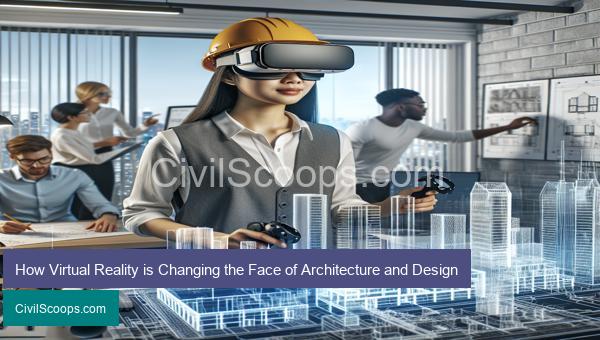
Virtual reality has been a rapidly evolving technology in recent years, with its impact being felt in various industries. One of the fields that have been significantly transformed by virtual reality is architecture and design.
The ability to create immersive and interactive virtual experiences has revolutionized the way architects and designers envision and construct their projects.
This article explores the ways in which virtual reality is changing the face of architecture and design, and the potential it holds to shape the future of these industries.
Table of Contents
Historical Context
Historical context refers to the circumstances, events, and societal conditions that shape and influence a particular time period. In order to fully understand the significance of a certain event or development, it is important to understand it within its historical context.
As a civil engineer, historical context plays an important role in my field of work. The buildings, roads, bridges, and other structures that I design and construct are not just functional, they are also representative of the period they are built in.
The materials, techniques, and designs used are all influenced by the historical circumstances and advancements of their time.
For example, during the ancient times, the construction of large structures such as the pyramids, aqueducts, and temples were influenced by the religious and cultural beliefs of the society.
The use of simple tools and materials such as stone and mud bricks were limited by the technology available at that time.
In the Middle Ages, the construction of castles, cathedrals, and fortifications were largely driven by war and defense tactics.
The use of arches, vaults, and buttresses were developed during this time period to create strong and durable structures that could withstand attacks.
During the industrial revolution, new advancements in technology greatly influenced the construction industry. The invention of steel and reinforced concrete enabled the construction of taller and more complex structures such as skyscrapers and large bridges.
Furthermore, historical events such as wars, economic downturns, and natural disasters also had a significant impact on the development of civil engineering.
For instance, the Great Depression in the 1930s led to the construction of large infrastructure projects as a way to create jobs and stimulate the economy.
In recent times, the focus on sustainability and environmental impact have greatly influenced the design and construction of civil engineering projects.
The rise of climate change and its consequences have made it imperative for engineers to consider the long-term effects of their projects on the environment.
Benefits of VR in Architecture and Design
Virtual reality (VR) has revolutionized the field of architecture and design, providing immense benefits to professionals in terms of visualization, communication, and efficiency. Here are some of the significant benefits of VR in architecture and design:
- Enhanced Visualization: VR technology allows architects and designers to create immersive and realistic 3D models of their designs. This removes the limitations of traditional 2D drawings and blueprints, providing a more comprehensive and accurate visual representation of the project. It enables clients and stakeholders to experience the design in a virtual environment, giving them a better understanding of the final product.
- Improved Collaboration: VR has made it easier for architects, engineers, and other professionals to collaborate on projects. They can share their VR models and designs with each other, even if they are located in different parts of the world. This real-time collaboration helps in identifying potential issues and finding solutions before the construction phase, ultimately saving time and costs.
- Cost-Effective: Virtual reality has made it possible to create virtual mock-ups and walkthroughs of a project before the physical construction begins. This eliminates the need for building physical mock-ups, which can be expensive and time-consuming. VR models also allow architects to make changes and modifications easily, without incurring additional costs.
- Time-Saving: VR technology can significantly reduce the time required to design and develop a project. With the ability to visualize and make changes in real-time, architects and designers can quickly test and iterate different design options, resulting in faster decision-making and project completion. It also saves time during the construction phase, as errors and design issues can be identified and resolved beforehand.
- Client Satisfaction: The use of VR technology in architecture and design enhances the client experience. It allows them to have a more immersive and realistic view of the final design, making it easier for them to provide feedback and make decisions. This leads to better client satisfaction and a higher chance of repeat business.
- Sustainable Design: VR technology can aid in creating sustainable and environmentally friendly designs. Architects can simulate the performance of a building in different weather conditions, allowing them to make design decisions that reduce energy consumption and increase efficiency. This not only results in cost savings but also helps in creating more sustainable and eco-friendly buildings.
Challenges of VR in Architecture and Design
Virtual Reality (VR) technology has been rapidly gaining popularity in various industries, including architecture and design. It offers architects and designers the ability to create immersive and interactive experiences for their clients, allowing them to walk through and experience their designs in a realistic 3D environment.
However, like any emerging technology, VR in architecture and design also faces several challenges that need to be addressed for its successful integration and use. In this article, we will discuss some of the major challenges of VR in architecture and design.
- High Cost and Limited Accessibility: One of the main challenges of VR in architecture and design is its high cost. For small and medium-sized firms, investing in VR equipment and software may not be financially feasible. Additionally, the cost of creating high-quality VR experiences can also be expensive and time-consuming. This limits the accessibility of VR technology to larger and more established firms, creating a barrier for smaller players to fully utilize its potential.
- Technical Complexity: VR technology requires specialized hardware and software, such as VR headsets and powerful computers, to create and view immersive experiences. This can be a daunting task for architects and designers who may not have a strong technical background. The complexities of setting up and using VR tools may also lead to a steep learning curve, making it challenging for professionals to adopt and incorporate it into their workflow.
- Quality and Realism: In order to be effective, VR experiences need to be highly realistic and immersive. However, creating such experiences requires a high level of technical expertise and advanced software, which may not be readily available to all architects and designers. This can result in the final VR product being less accurate and visually appealing, affecting its ability to communicate the design effectively.
- Limited Design Options: VR technology is still in its early stages and is primarily used for creating static 3D experiences. This limits the design options available to architects and designers, particularly in terms of the level of interactivity and customization. Incorporating dynamic elements such as changing lighting, sound, and weather conditions can be challenging, resulting in a limited range of design options.
- Time and Resource Constraints: VR in architecture and design requires significant time and resources to create high-quality experiences. The process of modeling, rendering, and animating a design for VR can be time-consuming and may require specialized skills and equipment. Additionally, rendering large and complex models can put a strain on computer resources, leading to longer wait times for final output. This can impact the efficiency of the design process and delay project timelines.
- VR Sickness: VR sickness, also known as motion sickness, is a common challenge faced in VR experiences. This is caused when the motion of the virtual world and the user’s physical movements do not match, resulting in discomfort, disorientation, and nausea. This can be particularly problematic in architectural and design projects where the user is required to move around a virtual space. Developers need to carefully consider the design of VR experiences to minimize this issue.
Future of VR in Architecture and Design
Virtual reality (VR) technology has been rapidly evolving and has found its way into many industries, including architecture and design.
As a civil engineer, I have witnessed the potential of VR in transforming the way we design, visualize, and construct buildings and infrastructure.
The future of VR in architecture and design is exciting and full of possibilities. In this article, I will highlight some of the key aspects of how VR is revolutionizing the architecture and design sector and discuss its future implications.
- Realistic Visualizations: One of the main benefits of VR in architecture and design is its ability to provide lifelike visualizations. With VR, architects and designers can create 3D models of their designs and make them interactive. This allows clients, stakeholders, and users to step into a virtual world and experience the future structure before it is built. They can walk through the building, change design elements, and even experience the lighting and acoustics of the space. This level of interactivity and immersion provides a better understanding of the design and helps to identify any flaws or improvements in the early stages of the project.
- Efficient Design Process: VR technology has the potential to streamline the design process in architecture and design. By creating virtual models, architects and engineers can identify potential clashes and conflicts in their design, reducing the chances of mistakes and rework during construction. This results in efficient communication and coordination among the project team, which can save time and cost. Moreover, changes can be made in real-time in a virtual environment, which is more time and cost-effective than traditional design processes.
- Enhanced Collaboration: Another significant impact of VR in architecture and design is its ability to enhance collaboration between all parties involved in a project. Architects, engineers, contractors, and clients can all be involved in the virtual design process, regardless of their location. This leads to better communication, improved decision-making, and a more comprehensive understanding of the project for all parties. Furthermore, VR can also act as a powerful tool for interdisciplinary coordination, as different disciplines can share their virtual models and work together in real-time.
- Improved Client Engagement: Virtual reality has the potential to transform the way clients interact with designs. Clients can now step into their future buildings and experience firsthand how the space would look and feel like. This level of engagement enhances client satisfaction and can also influence their decision-making process. Moreover, VR can also be used to showcase the potential of a design to attract investors and secure funding for a project.
- Sustainable Design: VR has made it possible to create more sustainable designs for buildings and infrastructure. With VR, architects and engineers can explore different design options and evaluate their environmental impact in a virtual environment. This allows them to make more informed decisions and create designs that are energy-efficient and environmentally friendly.
Conclusion
In conclusion, virtual reality has revolutionized the architecture and design industry, providing countless opportunities for creativity, efficiency, and innovation.
With the use of VR technology, architects and designers can now bring their ideas to life, allowing for more collaboration and better communication with clients. This not only saves time and costs, but also enhances the overall quality of projects.
As virtual reality continues to advance and become more accessible, it is clear that it will continue to have a profound impact on the way we approach architecture and design, shaping the future of this field for years to come.
By blurring the lines between the virtual and physical world, virtual reality is changing the face of architecture and design in ways we never thought possible.
What Is Historical Context, and How Does It Relate to Architecture and Design?
Historical context refers to the circumstances, events, and societal conditions influencing a specific time period. In architecture and design, historical context influences construction materials, techniques, and designs, reflecting the societal beliefs and technological advancements of the era.
How Has Virtual Reality Revolutionized the Field of Architecture and Design?
VR has transformed architecture and design by offering enhanced visualization through immersive 3D models, enabling better client understanding. It also facilitates improved collaboration among professionals, reduces costs through virtual mock-ups, and saves time by allowing real-time design alterations.
What Are the Benefits of Vr in Architecture and Design?
VR offers enhanced visualization, improved collaboration, cost-effectiveness through virtual mock-ups, time-saving through real-time alterations, increased client satisfaction, and aids in sustainable design by simulating a building’s performance in different conditions.
What Challenges Does Vr Face in the Architecture and Design Industries?
Challenges include high costs and limited accessibility, technical complexity for professionals, limitations in achieving high-quality realism, restricted design options, time and resource constraints for creating VR experiences, and potential VR sickness among users.
How Does Vr Technology Contribute to the Future of Architecture and Design?
VR’s future impact includes realistic visualizations allowing immersive experiences, a more efficient design process by identifying issues early, enhanced collaboration among stakeholders, improved client engagement through interactive designs, and aiding sustainable design by evaluating environmental impacts virtually.
What Significant Implications Does Vr Hold for the Architecture and Design Industry?
VR significantly impacts these industries by improving creativity, efficiency, and innovation. It allows architects and designers to bring ideas to life, facilitating better communication with clients, saving time and costs, and enhancing project quality.
How Does Vr Technology Blur the Lines Between the Virtual and Physical World in Architecture and Design?
VR blurs these lines by creating immersive, lifelike experiences that allow users to interact with and experience architectural designs in a virtual space, resembling the physical world. It bridges the gap between conceptualization and real-world implementation.
Like this post? Share it with your friends!
Suggested Read –
- The Science Behind Stabilizing Tunnel Portals
- What Causes Bridges To Collapse: Key Factors To Consider
- Bridging the Gap: Understanding Bridge Design and Construction
- Green Roofs and Living Walls: An Overview of Benefits and Installation
- Redefining Prefabrication: Modernizing Construction with Modular Techniques