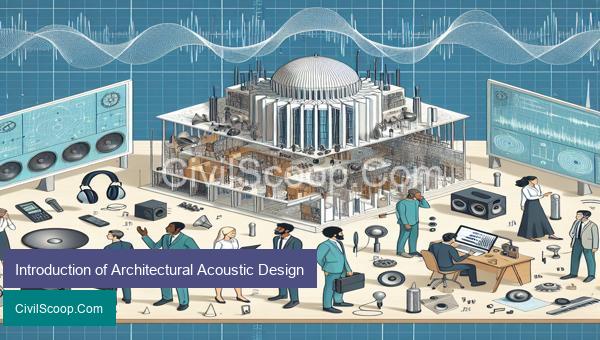
Architectural acoustic design is an essential element in the construction of any modern building. It is the practice of designing spaces and structures to control and enhance sound quality. From concert halls to office buildings, proper acoustic design ensures that the intended purpose of a space can be achieved without disturbance from external noises. As our cities become increasingly dense and our daily environments become louder, the importance of architectural acoustic design has grown significantly. In this article, we will delve into the fundamentals of architectural acoustic design, its role in the built environment, and the various techniques and technologies used to achieve optimal acoustic performance.
Table of Contents
Techniques for Noise Control in Buildings through Architectural Acoustic Design
Noise pollution is an increasingly prevalent issue in our cities and towns, causing a range of negative impacts on our health and well-being. As a civil engineer, it is important to consider noise control techniques in building design to create healthier and more comfortable living and working environments. This can be achieved through architectural acoustic design, which involves the strategic use of building elements and materials to reduce and control unwanted noise.
Here are some techniques for noise control in buildings through architectural acoustic design:
1. Sound Insulation:
Sound insulation is the most commonly used technique for reducing noise in buildings. This involves constructing walls, floors, and ceilings with materials that have high sound insulation properties, such as heavy concrete or brick walls. The design should also minimize gaps and penetrations in the building envelope to prevent sound from entering or exiting the building. Additionally, sound absorbing materials, such as acoustic ceiling tiles, can be used to further improve sound insulation.
2. Sound Absorption:
Sound absorption is another important aspect of architectural acoustic design. This technique involves the use of materials that can absorb sound energy and prevent its reflection. These materials can include carpets, drapes, wall panels, and acoustic insulation. By incorporating these materials into the interior design, the reverberation of sound within a room can be reduced, creating a more peaceful and comfortable environment.
3. Building Layout and Orientation:
The layout and orientation of a building can also play a significant role in noise control. A well-planned building layout can help to reduce noise transmission between different areas, such as separating noisy spaces from quiet ones. Building orientation can also be designed to minimize the impact of noise from external sources, such as busy roads or construction sites. This can be achieved by orienting the building away from the noise source or using sound barriers, such as trees and hedges, to deflect and absorb sound.
4. Sound Masking:
Sound masking is a technique that involves using a low-level, constant background noise to mask or cover up unwanted sound. This technique is particularly useful in open-plan offices and other shared spaces where privacy is a concern. By using sound masking systems, such as white noise machines or speakers emitting ambient background sounds, the perception of unwanted noise can be reduced, creating a more peaceful and productive work environment.
5. Vibration Isolation:
Another aspect of architectural acoustic design is vibration isolation, which helps to reduce the transmission of vibrations through a building’s structure. Vibrations can be caused by external sources, such as traffic or machinery, or generated internally by mechanical equipment. To prevent these vibrations from being transmitted to sensitive areas of a building, vibration isolators, such as rubber pads or spring-mounted equipment, can be used.
In conclusion, architectural acoustic design plays a crucial role in controlling noise in buildings. By incorporating these techniques into the design process, civil engineers can create buildings that are not only structurally sound but also provide a peaceful and comfortable environment for occupants. This, in turn, can improve overall quality of life and promote a healthier and more productive society.
Conclusion
In conclusion, the introduction of architectural acoustic design has greatly impacted the way buildings and spaces are constructed and utilized. By considering sound and its effects on the environment and human experience, architects can create structures that not only look aesthetically pleasing but also provide a comfortable and functional acoustic environment. From reducing unwanted noise to enhancing speech intelligibility and creating immersive experiences, architectural acoustic design adds immense value to the built environment. As technology advances and new techniques emerge, it will continue to play a crucial role in the design process, making our buildings more livable and harmonious. With careful consideration and integration of acoustic design principles, the impact of sound on our daily lives can be greatly improved.