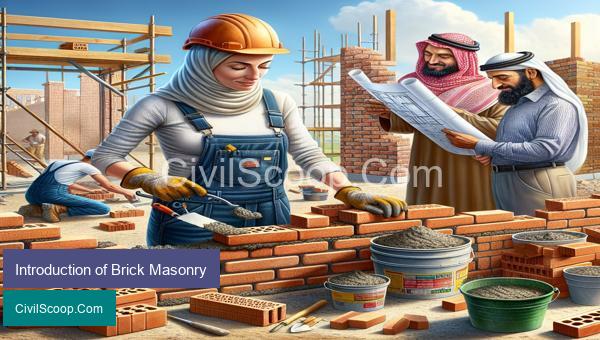
Brick masonry, a type of construction using bricks and mortar, has been a fundamental building technique for centuries. The use of bricks dates back to ancient civilizations, providing evidence of its durability and longevity. It has stood the test of time and continues to be a popular choice for creating sturdy and aesthetically pleasing structures. In this article, we will delve into the basics of brick masonry, including its history, materials used, and techniques employed in its construction. Whether you are a homeowner looking to renovate your property or a novice in the world of construction, this introduction to brick masonry will provide you with a solid foundation of knowledge.
Table of Contents
Defects in Brick Masonry due to Poor Workmanships and its Remedies
Brick masonry is a common and reliable method used in construction for building structures such as walls, foundations, and arches. It involves the use of bricks, mortar, and sometimes reinforcing materials to create a strong and durable structure. However, poor workmanship during the construction process can lead to defects in the brick masonry, which can compromise the integrity and stability of the structure. In this article, we will discuss the most common defects in brick masonry due to poor workmanship and the remedies to prevent or fix them.
1. Uneven Vertical Joints: This defect occurs when the vertical joints between the bricks are not evenly spaced or aligned. The most common cause of this defect is improper mortar application, where the thickness of the mortar varies along the joints. Uneven vertical joints can compromise the strength of the wall and lead to water leakage and cracks.
Remedy: The best way to prevent this defect is to use a gauge rod or level to ensure even spacing between the bricks while laying them and to apply a consistent thickness of mortar.
2. Mortar Stains: Poor workmanship can lead to mortar stains on the surface of the bricks. This usually happens when the mortar is not properly tooled after application or when excess mortar is not cleaned off the bricks before it hardens. Mortar stains not only affect the appearance of the brickwork but can also lead to moisture retention, which can cause efflorescence or decay of the bricks.
Remedy: Properly tool the joints with a jointing tool and remove any excess mortar with a brush or sponge immediately after application to prevent stains from forming.
3. Spalling Bricks: Spalling is a common defect in brick masonry where the surface of the bricks starts to break off or chip due to poor workmanship. This can happen due to overworking the mortar or improper curing of the bricks. Spalling not only affects the appearance of the bricks but can also weaken the structure and compromise its durability.
Remedy: To prevent spalling, ensure that the mortar is not overworked and the bricks are cured properly. If spalling has already occurred, the affected bricks should be replaced with new ones.
4. Bulging Walls: Bulging walls are a result of poor bonding between the bricks and the mortar. This can happen when there is an inadequate amount of mortar used or when the bricks are not properly aligned or laid in plumb. Bulging walls not only affect the structural stability of the building but can also cause water leakage and cracking.
Remedy: To prevent bulging walls, ensure that the bricks are properly aligned and laid with adequate mortar. Use a spirit level to check for plumbness during construction.
5. Lack of Lateral Support: Sometimes, brick masonry walls can lack lateral support due to poor workmanship, causing them to bulge outwards or crack. This can happen if the brickwork is not properly tied to the structural elements of the building or if there are gaps in the mortar joints.
Remedy: To prevent this defect, use wall ties to connect the brickwork to the structural elements of the building at regular intervals. Also, ensure that the mortar is properly filled in the joints to provide adequate support to the bricks.
In conclusion, poor workmanship can lead to various defects in brick masonry, compromising the strength, stability, and durability of the structure. It is essential to ensure proper construction techniques and quality control measures are followed to prevent these defects from occurring.
Conclusion
In conclusion, brick masonry has been a widely used construction technique for centuries and has proven to be a durable and cost-effective method. From ancient civilizations to modern-day construction, the use of bricks has stood the test of time. With its numerous benefits, such as strength, versatility, and aesthetic appeal, it is no wonder that brick masonry remains a popular choice for various building projects. By understanding the basics of bricklaying and following proper techniques, one can ensure the successful implementation of this traditional building method. As technology advances, new materials and methods may emerge, but the timeless beauty and functionality of brick masonry will continue to make it a staple in the construction industry.