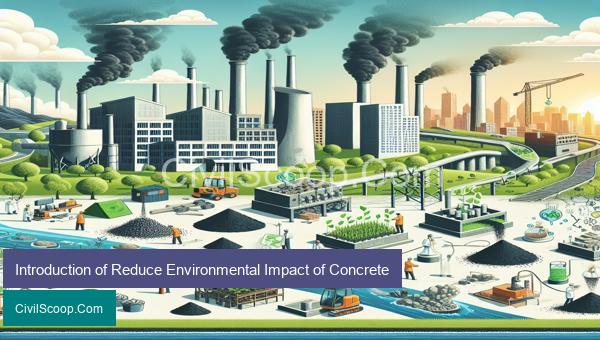
Concrete is one of the most widely used building materials in the world, with a wide range of applications in construction, infrastructure, and transportation. However, with the increasing concerns about environmental sustainability, the production and use of concrete have come under scrutiny for its significant impact on the environment. Concrete production is responsible for a large portion of carbon emissions, depletion of natural resources, and generation of waste. In this article, we will explore various methods and strategies for reducing the environmental impact of concrete, by promoting greener and more sustainable alternatives in its production and application. These measures aim to not only mitigate the negative effects of concrete on the environment but also to create a more sustainable and resilient built environment for future generations.
Table of Contents
How to Reduce Environmental Impact of Concrete
Concrete is the most widely used construction material in the world, with an annual production of more than 10 billion tonnes. However, it is also responsible for a significant amount of carbon dioxide emissions and environmental impact. As a civil engineer, it is our responsibility to reduce the environmental impact of concrete. In this article, we will discuss some ways to achieve this goal.
1. Use alternative cementitious materials:
Traditional concrete is made with Portland cement, which is responsible for a significant amount of CO2 emissions during its production. However, there are alternative cementitious materials available in the market, such as fly ash, slag, and pozzolans, which have a lower environmental impact. These materials can be used as partial replacements for Portland cement, reducing the overall carbon footprint of concrete.
2. Decrease the cement content:
Reducing the cement content in concrete mixes can significantly decrease the environmental impact. Using a higher percentage of aggregates and supplementary cementitious materials can help achieve this. With the advancement in technology, we can now design concrete with lower cement content without compromising its strength and durability.
3. Maximize the use of recycled materials:
Incorporating recycled materials, such as crushed concrete, in concrete mixes can reduce the need for virgin aggregates, which have a high environmental impact. Not only does this reduce the carbon footprint of concrete, but it also helps in proper waste management and promotes circular economy.
4. Optimize transportation and construction practices:
Transportation of materials and construction activities are responsible for a considerable amount of emissions. To reduce this impact, it is crucial to optimize the transportation routes and use efficient construction methods. Using onsite batching plants and implementing proper construction and demolition waste management practices can also help in reducing emissions.
5. Implementing carbon capture technology:
Carbon capture technology captures and stores carbon dioxide from the atmosphere, preventing it from being released into the environment. This technology can be implemented in concrete production plants, reducing their carbon footprint.
6. Embrace sustainable design techniques:
The design of a structure can also have a significant impact on the environmental footprint of concrete. By incorporating sustainable design techniques, such as passive cooling and natural lighting, the need for energy-consuming systems can be reduced, thereby decreasing the environmental impact.
7. Consider the life cycle of concrete:
As civil engineers, it is essential to consider the entire life cycle of concrete, including its production, transportation, and use. This life cycle approach can help us make informed decisions while reducing the environmental impact of concrete.
In conclusion, reducing the environmental impact of concrete requires a holistic approach, involving all stakeholders, including engineers, contractors, material suppliers, and policymakers. By implementing the above measures and continually seeking innovative solutions, we can create a more sustainable future for our built environment. As a civil engineer, it is our responsibility to prioritize environmental sustainability in our construction projects and pave the way towards a greener and more sustainable future.
Methods to Reduce Environmental Impact of Concrete
Concrete is one of the most commonly used building materials worldwide. However, its production and use have a significant environmental impact. The production of concrete requires large amounts of natural resources, such as sand, gravel, and water, and also has a high carbon footprint due to the emission of greenhouse gases during its production.
To reduce the environmental impact of concrete, various methods and technologies have been developed. Here are some of the most effective ones:
1. Use of alternative cement materials: Cement is the main component of concrete, and its production is responsible for a significant portion of its environmental impact. To reduce this impact, alternative cement materials such as fly ash, slag, and silica fume can be used in place of traditional Portland cement. These materials not only reduce the amount of cement needed but also have a lower carbon footprint.
2. Utilizing recycled aggregates: Instead of using natural aggregates like sand and gravel, recycled aggregates from demolished structures can be used in concrete production. This reduces the demand for natural resources and also decreases the amount of waste sent to landfills.
3. Implementing green concrete technology: Green concrete is a type of concrete that utilizes recycled materials and has a lower carbon footprint. It can also be designed to have higher strength and durability, reducing the need for frequent repairs and replacements.
4. Locally sourced materials: The transportation of building materials, including concrete, contributes to carbon emissions. To minimize this impact, using locally sourced materials can help reduce transportation distance and, thereby, the carbon footprint.
5. Improving curing methods: The curing process of concrete is crucial for its strength and durability. Traditional methods, such as wet curing, require a significant amount of water, which can lead to water pollution. Using alternative curing methods, such as steam curing or curing with chemicals, can reduce water consumption and prevent pollution.
6. Embracing sustainable design practices: Proper design of structures can contribute significantly to reducing the environmental impact of concrete. This includes using concrete only where necessary, designing for durability, and optimizing the use of materials.
7. Recycling concrete waste: After demolition or construction, concrete waste can be recycled and used as aggregates in new concrete. This reduces the need for new materials and minimizes the environmental impact of disposal.
In conclusion, reducing the environmental impact of concrete requires a combination of approaches. By utilizing sustainable practices and technologies, we can minimize the negative effects of concrete production and create a more eco-friendly construction industry. As a civil engineer, it is our responsibility to promote and implement these methods to reduce the environmental impact of concrete.
Conclusion
In conclusion, the introduction of measures to reduce the environmental impact of concrete is a crucial step towards sustainable development. By implementing solutions such as using alternative materials, optimizing the production process, and promoting recycling, we can significantly decrease the negative effects of concrete on the environment. It is important for governments, industries, and individuals to work together and actively seek out eco-friendly solutions to ensure the long-term viability of our planet. By taking responsible actions today, we can create a more sustainable future for generations to come. Let us all play our part in reducing the environmental impact of concrete and creating a cleaner, greener, and healthier world.